
Introdução
Dark spots and uneven skin tone on the hands and feet can be surprisingly stubborn, affecting overall appearance despite facial skincare routines. Hyperpigmentation in these areas may result from sun exposure, hormonal changes, age, or post-inflammatory marks. Laser therapy offers a precise, non-invasive solution, stimulating cell turnover, breaking down excess melanin, and promoting a brighter, more even skin tone. This technology is increasingly popular for those seeking noticeable results without prolonged downtime.
1. Understanding Hyperpigmentation on Hands and Feet
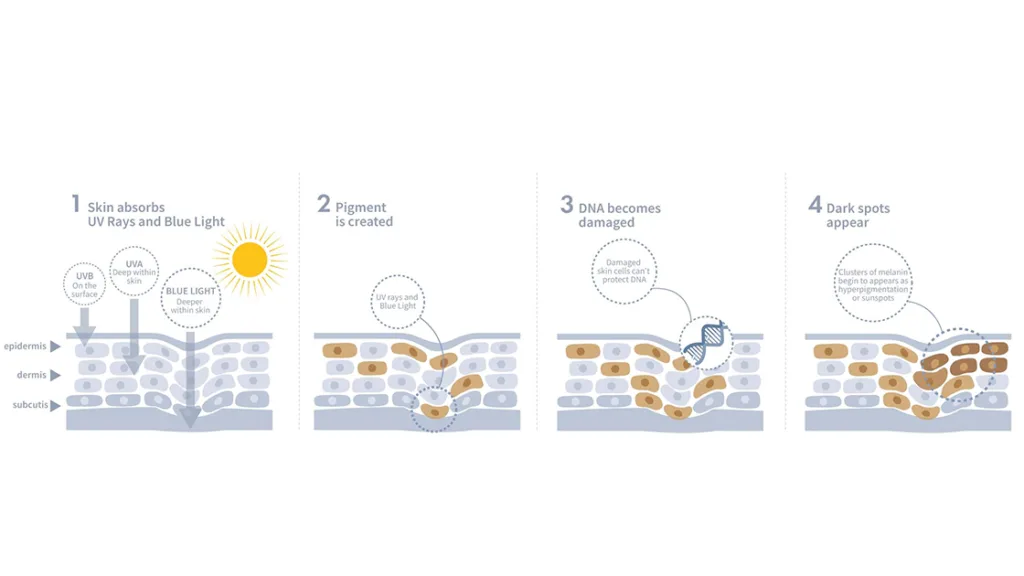
Hyperpigmentation occurs when melanocytes—the skin cells responsible for pigment—produce excess melanin. While it’s more noticeable on the face, hands and feet are equally susceptible due to thinner skin and cumulative sun exposure. Understanding the mechanisms behind hyperpigmentation is key to effective treatment.
1.1 Causes of Hyperpigmentation
Sun damage is the primary culprit for dark spots on hands and feet, as these areas are often exposed without sunscreen. Other contributors include hormonal fluctuations, aging, post-inflammatory marks from minor cuts or insect bites, and friction-related pigmentation on feet. CO₂ and other medical-grade lasers target the melanin deposits directly, allowing the skin to gradually shed pigmented layers.
1.2 Common Types of Hyperpigmentation
The hands and feet may exhibit various forms of discoloration: sunspots (lentigines), post-inflammatory hyperpigmentation, or melasma-related patches. Each type has distinct characteristics, requiring different laser wavelengths and energy settings to achieve optimal results. Proper evaluation ensures effective targeting of pigment while minimizing the risk of irritation or uneven tone.
1.3 Why the Hands and Feet Are Challenging
Compared to facial skin, the dorsal hands and feet have thinner epidermis but fewer sebaceous glands, resulting in slower natural turnover. Additionally, constant use and friction can prolong pigment retention. Laser therapy accelerates cellular renewal and stimulates collagen production, improving both tone and texture over multiple sessions.
2. How Laser Therapy Works for Hyperpigmentation
Laser therapy relies on selective photothermolysis, a principle where light energy targets pigment without damaging surrounding tissue. This allows for precise treatment of dark spots while minimizing risks.
2.1 Laser Mechanism of Action
When a laser emits light at a wavelength absorbed by melanin, the pigment absorbs the energy, breaks into smaller fragments, and is gradually removed by the body’s lymphatic system. This process not only reduces visible discoloration but can also stimulate dermal remodeling, improving overall skin quality.
2.2 Types of Lasers Used
Common lasers for hand and foot hyperpigmentation include Q-switched Nd:YAG, fractional CO₂, and picosecond lasers. Each offers different benefits: Q-switched lasers are effective for deeper pigment, fractional CO₂ promotes rejuvenation and collagen production, and picosecond lasers offer faster results with minimal downtime.
2.3 Advantages Over Topical Treatments
Topical creams, chemical peels, or microdermabrasion may provide some improvement, but they often require long-term commitment and may be less effective on stubborn pigmentation. Laser therapy offers precise, consistent results with fewer sessions, making it ideal for visible areas like hands and feet.
3. Treatment Process and What to Expect
Laser brightening sessions for hands and feet are straightforward yet require professional evaluation.
3.1 Pre-Treatment Preparation
Patients are advised to avoid sun exposure and discontinue certain skincare products prior to treatment. The area is cleaned, and a topical numbing cream may be applied to enhance comfort. A detailed assessment determines the appropriate laser type, energy, and session duration.
3.2 During the Procedure
During treatment, the laser handpiece is applied in a controlled manner across the hyperpigmented area. Patients typically feel mild warmth or tingling. Protective eyewear is worn to prevent light exposure to the eyes, and the procedure is brief, usually lasting 20–40 minutes depending on the size of the area.
3.3 Post-Treatment Care
After laser sessions, slight redness or swelling may occur for a few hours to days. Sun protection is essential, and gentle skincare is recommended. The treated skin gradually sheds pigmented layers, with improvements visible after one to three sessions, depending on pigment depth and skin type.
3.4 Expected Results
Most patients experience a noticeable reduction in dark spots and a more even skin tone within a few weeks. Hands and feet appear brighter, smoother, and rejuvenated. Multiple sessions may be required for deep or extensive pigmentation, with long-lasting results when combined with sun protection and maintenance care.
4. Benefits of Laser Brightening for Hands and Feet
Laser therapy offers several advantages over conventional treatments for hyperpigmentation.
4.1 Targeted and Precise
Lasers can selectively target melanin without damaging surrounding tissue, reducing the risk of irritation or scarring. Precision is especially important for hands and feet, where skin texture can make topical treatments less effective.
4.2 Non-Invasive and Minimal Downtime
Unlike surgical or invasive procedures, laser therapy requires no incisions. Patients can resume daily activities immediately, with minor precautions for sun exposure and skincare.
4.3 Stimulates Collagen and Improves Skin Quality
Beyond brightening, certain lasers encourage collagen remodeling, enhancing firmness and texture. Hands and feet not only look lighter but also appear more youthful and smooth.
4.4 Long-Term Pigmentation Control
Laser treatments reduce melanin accumulation in targeted areas, making it easier to maintain results with proper sun protection. Compared to creams or chemical peels, the results are more consistent and predictable.
FAQ
Q1: Is laser therapy safe for all skin types?
A: Modern lasers, like Q-switched Nd:YAG, are safe for a wide range of skin tones, though darker skin types may require adjusted settings to minimize risks of post-inflammatory hyperpigmentation.
Q2: How many sessions are needed?
A: Depending on pigment depth, 1–3 sessions are common, spaced 4–6 weeks apart for optimal results.
Q3: Can I apply makeup after treatment?
A: Yes, gentle makeup can be used once redness subsides, typically the next day.
Q4: Are results permanent?
A: While laser significantly reduces pigmentation, sun protection and skincare maintenance are essential for long-lasting results.
Q5: Is the procedure painful?
A: Most patients experience mild tingling or warmth; topical numbing can minimize discomfort.
Conclusão
Laser brightening for hyperpigmented hands and feet offers a safe, effective, and precise method to restore a youthful, even skin tone. By targeting melanin, stimulating collagen, and promoting cellular renewal, patients can achieve noticeable improvements with minimal downtime. Combined with sun protection and ongoing care, this therapy ensures long-lasting results, revitalizing areas that are often overlooked in routine skincare.
References
Goldman, M. P. “Laser Treatment of Pigmented Lesions on the Hands and Feet.” Dermatologic Surgery, 2018;44(12):1540-1548.
https://doi.org/10.1097/DSS.0000000000001712
Anderson, R. R., Parrish, J. A. “Selective Photothermolysis: Precise Microsurgery by Selective Absorption of Pulsed Radiation.” Science, 1983;220:524–527.
https://doi.org/10.1126/science.6836299
Rhein Lasers. “Laser Skin Treatments for Hands & Feet.”
https://www.rheinlasers.com/treatments
Wanitphakdeedecha, R., et al. “Q-switched Nd:YAG Laser for Hyperpigmentation in Asian Skin.” Journal of Cosmetic Dermatology, 2016;15:457–464.