1. Introduction: What is Non-Invasive Body Sculpting?
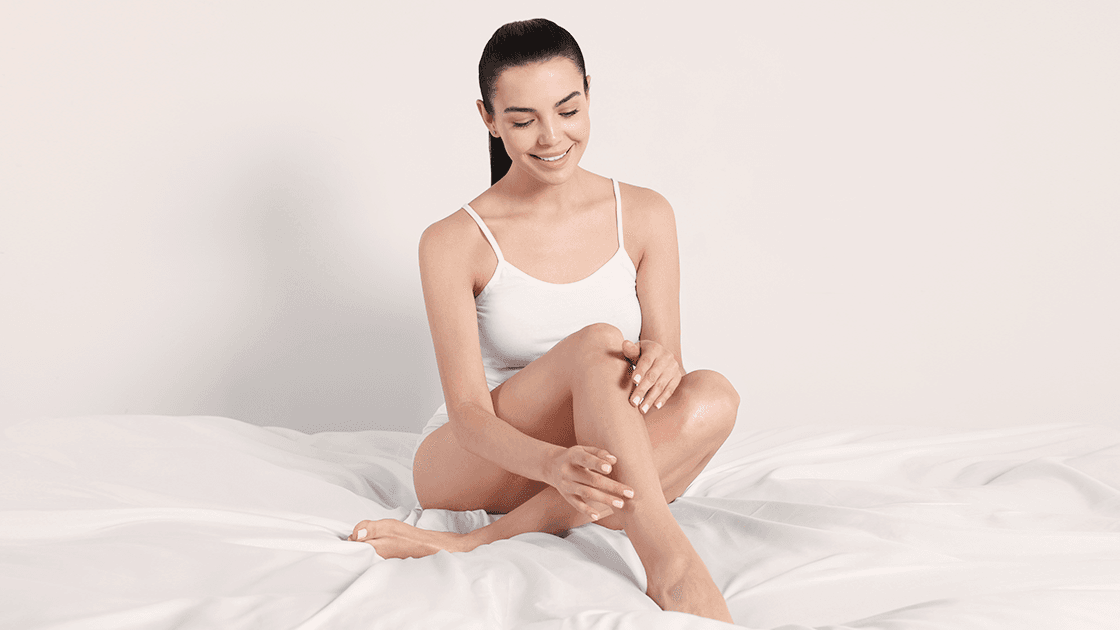
In recent years, non-invasive body sculpting has become a highly sought-after solution for individuals looking to enhance their physique without the need for traditional surgical procedures. Unlike invasive surgery, which often involves cutting or anesthesia, non-invasive body sculpting offers individuals the opportunity to achieve a slimmer, toned appearance with minimal downtime. These treatments leverage advanced technologies—including CoolSculpting, laser therapy, and radiofrequency—to target and break down fat cells, resulting in a more contoured and firm body appearance. But why are these methods so popular? The appeal lies in their effectiveness, safety, and minimal recovery time, which provide a clear alternative to traditional surgery.
2. Overview of Non-Invasive Body Sculpting Techniques
Non-invasive body sculpting techniques have revolutionized the world of cosmetic procedures. These treatments allow individuals to target specific areas of fat or sagging skin without the need for needles, incisions, or long recovery times. The following methods are among the most popular and effective non-invasive sculpting techniques available today.
2.1 CoolSculpting (Cryolipolysis)
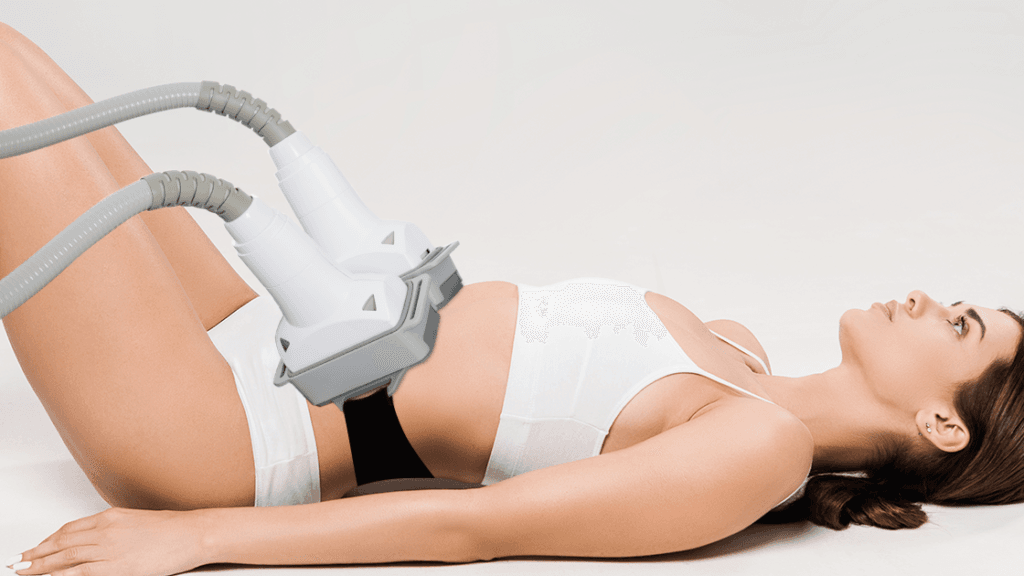
CoolSculpting, also known as cryolipolysis, is a non-invasive treatment that uses controlled cooling to freeze fat cells. The procedure is designed to target stubborn fat that does not respond well to traditional diet and exercise. During a CoolSculpting session, a device is applied to the skin where fat is most concentrated, and the fat cells are cooled to a temperature that causes them to break down and die. The body then naturally processes and eliminates the destroyed fat cells over time.
CoolSculpting is a highly effective treatment for areas like the abdomen, thighs, love handles, and under the chin. One of its key advantages is that it is completely non-invasive, meaning no cuts or injections are required, and the treatment has minimal discomfort. After a session, most individuals experience some redness, swelling, or mild bruising, but these side effects are usually temporary and subside within a few days.
2.2 Radiofrequency Body Contouring
Radiofrequência (RF) body contouring uses radiofrequency energy to target and heat the skin’s deeper layers. This heat stimulates collagen production, which tightens the skin and reduces the appearance of sagging. RF treatments also improve skin texture and tone, making it an excellent option for individuals looking to firm and tighten areas with loose skin, such as the abdomen, arms, and thighs.
This non-invasive treatment is safe for most skin types and requires little to no downtime. RF body contouring is often combined with other fat-reduction treatments to enhance results and create a more sculpted appearance. The procedure itself is relatively comfortable, with many people describing the sensation as a warm massage. Over time, as collagen production increases, individuals will notice firmer, tighter skin.
2.3 Ultrasound Fat Reduction
Ultrasound fat reduction uses high-frequency sound waves to target fat cells beneath the skin. The ultrasound waves break down fat without damaging the surrounding tissues. As the fat cells are disrupted, the body’s lymphatic system gradually eliminates the broken-down fat over a few weeks.
This treatment is particularly effective for areas with localized fat, such as the abdomen, thighs, and flanks. Ultrasound fat reduction has the benefit of being precise and non-invasive, with no need for needles or cuts. After treatment, patients can typically return to their normal activities right away, although some may experience mild redness or tenderness in the treated area.
2.4 Laser Lipolysis (Laser Body Sculpting)
Lipólise a laser, or laser body sculpting, uses focused laser energy to break down fat cells while simultaneously tightening the skin. The laser energy is delivered through small, non-invasive probes placed on the skin. This process disrupts the fat cells, causing them to shrink and eventually be eliminated by the body’s natural metabolic processes.
Laser lipolysis is highly effective for targeting areas with both fat and loose skin, such as the abdomen, upper arms, and thighs. The treatment can also stimulate collagen production, which further helps in tightening and rejuvenating the skin. The recovery time is minimal, with most patients experiencing only slight redness or swelling after the procedure.
3. Safety of Non-Invasive Body Sculpting
When considering any cosmetic procedure, safety is a primary concern. Non-invasive body sculpting treatments are generally safe when performed by trained professionals in a controlled setting. However, like any cosmetic procedure, there are certain risks and considerations that need to be addressed.
3.1 Assessing the Safety of Non-Invasive Sculpting
While non-invasive body sculpting treatments have been proven to be safe for the majority of patients, there are some risks associated with these procedures. These risks may include temporary bruising, swelling, or discomfort in the treated area. Additionally, there is a slight risk of uneven results, though this is rare when the treatment is administered correctly.
To minimize risks, it is essential to choose a reputable clinic with experienced professionals who use FDA-approved devices. Before undergoing treatment, patients should have a thorough consultation to assess their suitability for the procedure and to discuss any potential risks or side effects.
3.2 Professional Certifications and Equipment Quality
One of the most important factors in ensuring a safe and effective non-invasive body sculpting treatment is choosing a qualified and certified practitioner. Look for a licensed professional who specializes in cosmetic procedures and is well-versed in the technology used for body sculpting.
In addition, it is crucial to ensure that the clinic uses high-quality, FDA-approved equipment. This ensures that the treatment is both safe and effective. Ask about the technology used, as well as any safety protocols the clinic follows to protect patients during their treatments.
3.3 Side Effects and Aftercare
Most non-invasive body sculpting procedures have minimal side effects, especially when compared to traditional surgery. Common side effects may include redness, swelling, or slight bruising in the treated areas. These effects are usually temporary and resolve within a few days.
After treatment, following proper aftercare instructions is essential to ensure the best possible results. Patients should avoid direct sun exposure, stay hydrated, and follow any additional guidelines provided by their practitioner. Regular follow-up appointments may also be recommended to track progress and ensure that the body is responding well to the treatment.
4. Effectiveness of Non-Invasive Body Sculpting: What to Expect
Non-invasive body sculpting is a great option for individuals looking to target stubborn fat and improve their body contour without the need for invasive surgery. However, like any cosmetic treatment, it is important to have realistic expectations about the results.
4.1 Immediate vs. Long-Term Results
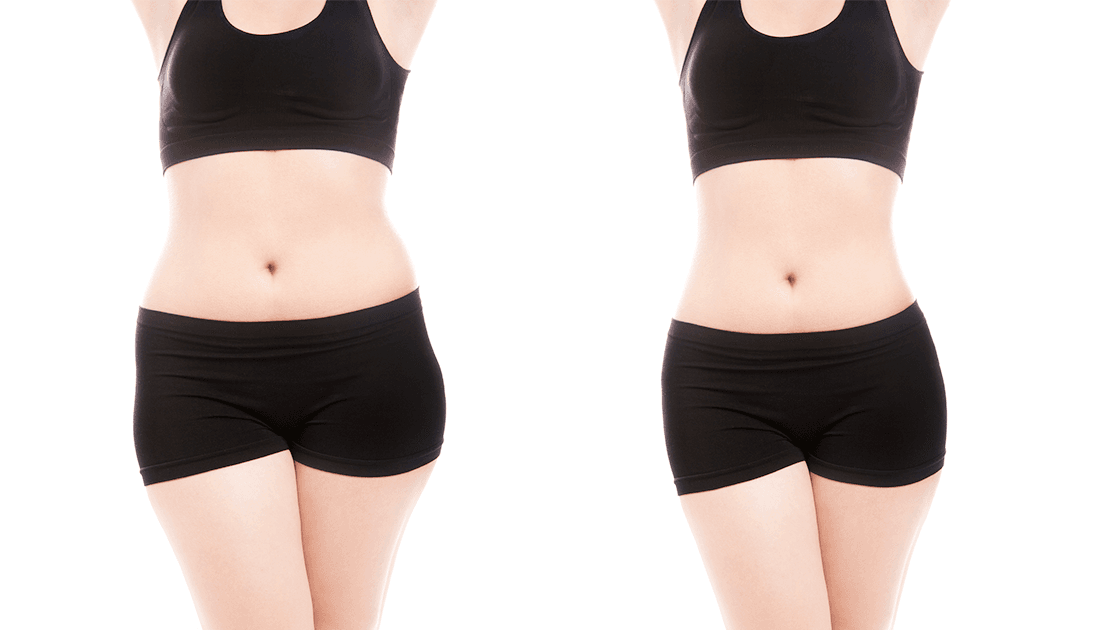
While many individuals may notice some improvement in the treated areas immediately after their session, the full effects of body sculpting often take a few weeks to become visible. This is because it takes time for the body to naturally eliminate the broken-down fat cells. In most cases, patients will begin to see noticeable results within 1–3 months after their treatment.
For optimal results, multiple sessions may be required depending on the area being treated and the amount of fat that needs to be targeted. In some cases, maintenance treatments may be necessary to sustain the results.
4.2 Individual Differences in Results
It is important to recognize that the results of non-invasive body sculpting can vary from person to person. Factors such as age, body type, metabolism, and lifestyle choices (e.g., diet and exercise) can all influence the outcome of the treatment.
For example, younger individuals with faster metabolisms may experience quicker and more noticeable results than older individuals. Maintaining a healthy lifestyle is crucial for maximizing the benefits of non-invasive sculpting and ensuring long-lasting results.
4.3 Understanding the Science Behind Non-Invasive Body Sculpting
Non-invasive body sculpting treatments work by targeting fat cells with specific technologies like cryolipolysis, radiofrequency, ultrasound, or laser energy. These treatments use advanced energy or cooling techniques to break down fat cells, which are then naturally eliminated by the body over time. This process does not affect surrounding tissues, making it a safe and effective way to target unwanted fat without the need for invasive surgery.
For instance, in CoolSculpting, fat cells are frozen to a precise temperature, causing them to crystallize and die. Similarly, laser lipolysis uses concentrated laser energy to disrupt the fat cell membranes, while ultrasound and radiofrequency treatments rely on sound waves or heat to target fat and stimulate collagen production.
5. Choosing the Right Non-Invasive Body Sculpting Treatment
With so many options available, choosing the right non-invasive body sculpting treatment can be overwhelming. The best treatment for you will depend on factors like the areas you want to target, your body goals, and your skin’s condition.
5.1 How to Choose the Right Sculpting Treatment for You
When selecting a body sculpting treatment, it’s essential to consider the following:
5.1.1 Treatment Area
Different methods work best for different areas of the body. For instance, CoolSculpting is ideal for larger areas like the abdomen, while radiofrequency is excellent for skin tightening on the face and arms.
5.1.2 Skin Type
Some treatments, like laser lipolysis, may not be suitable for all skin types. It’s important to discuss your skin type and medical history with your provider to choose the best option.
5.1.3 Personal Goals
If you are primarily looking for fat reduction, CoolSculpting or ultrasound fat reduction may be the best choice. For skin tightening and firming, RF or laser lipolysis would be more effective.
5.2 Evaluating Your Goals: Fat Reduction, Skin Tightening, or Contouring?
Each non-invasive sculpting treatment has its strengths, so it’s important to evaluate your goals.
5.2.1 Fat Reduction
If you want to reduce stubborn fat in specific areas, CoolSculpting or ultrasound fat reduction are excellent choices.
5.2.2 Skin Tightening
If your goal is to firm and tighten loose skin, RF body contouring or laser lipolysis is ideal.
5.2.3 Overall Contouring
For an overall sculpted look, combining fat reduction with skin tightening treatments might provide the best results.
6. Aftercare and Maintaining Results from Body Sculpting
To ensure the best results from your non-invasive body sculpting treatment, follow proper aftercare instructions and maintain a healthy lifestyle.
6.1 Post-Treatment Care Tips
After treatment, avoid exposing treated areas to direct sunlight and follow any post-treatment care instructions provided by your practitioner. Staying hydrated and eating a balanced diet can help your body naturally eliminate the broken-down fat.
6.2 How to Maintain the Results of Your Body Sculpting Treatment
Maintaining your results requires regular physical activity, a healthy diet, and, in some cases, occasional follow-up treatments to preserve your sculpted physique.
7. Conclusion: The Future of Non-Invasive Body Sculpting
Non-invasive body sculpting has revolutionized the way people approach body contouring, offering a safe and effective alternative to traditional surgery. As technology continues to improve, we can expect even more advanced and efficient treatments that offer faster results with even fewer side effects.
For anyone looking to reshape their body without the risks and recovery time associated with surgery, non-invasive body sculpting presents an excellent option. By choosing the right treatment for your needs and maintaining a healthy lifestyle, you can enjoy a more sculpted, confident version of yourself.
8. Referências
“CoolSculpting: A Non-Invasive Fat Reduction Treatment.” American Society of Plastic Surgeons.
[https://www.plasticsurgery.org/coolsculpting]
“Radiofrequency Skin Tightening: What Is It?” American Academy of Dermatology.
“Ultrasound Fat Reduction: Benefits and Risks.” American Board of Cosmetic Surgery.
[https://www.americanboardcosmeticsurgery.org]
“Laser Lipolysis for Body Contouring.” Harvard Health Publishing.
[https://www.health.harvard.edu]
“FDA Clears CoolSculpting for Fat Reduction.” U.S. Food and Drug Administration.