
Introdução
In today’s fast-paced and image-conscious professional world, appearance plays a more important role than ever. For many mid-career professionals, visible signs of aging such as wrinkles, fine lines, and loss of skin elasticity can affect not only self-confidence but also how they are perceived in the workplace. Long hours, stress, and lack of sleep can accelerate skin aging, making individuals look more tired than they feel. Fortunately, modern laser treatments offer a non-invasive and effective solution. These advanced technologies can reduce wrinkles, tighten skin, and restore a youthful appearance—helping professionals look refreshed, confident, and ready to perform at their best.
1. Understanding Skin Aging in Professionals
Aging skin is influenced by both natural biological processes and lifestyle factors commonly experienced by working professionals.
1.1 Why Skin Ages Faster in High-Stress Careers
Chronic stress, irregular sleep patterns, and prolonged exposure to screens contribute to premature skin aging. Elevated cortisol levels can break down collagen and elastin, leading to sagging skin and wrinkles. Additionally, environmental factors such as pollution and UV exposure further accelerate this process.
1.2 Common Signs of Aging Skin
Professionals often notice early signs such as fine lines around the eyes, forehead wrinkles, uneven skin tone, and reduced skin firmness. Over time, these issues can become more pronounced, affecting overall facial appearance and confidence in social and professional settings.
2. What Are Laser Treatments for Anti-Aging?
Laser treatments are advanced dermatological procedures that use focused light energy to improve skin texture, tone, and elasticity.
2.1 How Laser Technology Works
Laser energy penetrates the skin at controlled depths to stimulate collagen production and promote cellular regeneration. This process helps repair damaged skin, reduce wrinkles, and improve overall skin quality without invasive surgery.
2.2 Types of Laser Treatments
- Ablative Lasers: Remove the outer layer of skin, promoting significant collagen remodeling and wrinkle reduction.
- Non-Ablative Lasers: Target deeper skin layers without damaging the surface, offering gradual improvement with minimal downtime.
- Fractional Lasers: Treat small sections of skin, combining effectiveness with faster recovery times.
Each type is chosen based on skin condition, desired results, and tolerance for downtime.
3. Benefits of Laser Treatments for Professionals
Laser treatments provide multiple advantages that align with the needs of busy professionals.
3.1 Wrinkle Reduction and Smoother Skin
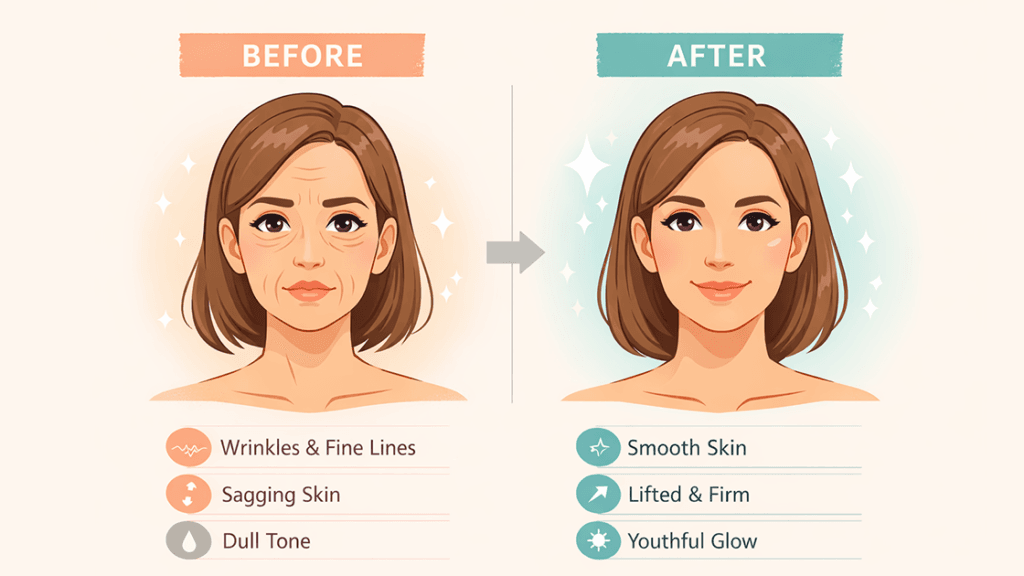
Laser therapy stimulates collagen synthesis, which fills in fine lines and smooths out wrinkles. Over time, skin appears more youthful and even-toned.
3.2 Skin Tightening and Improved Elasticity
By boosting elastin and collagen, laser treatments help tighten loose skin and restore firmness. This is particularly beneficial for areas such as the jawline, cheeks, and neck.
3.3 Minimal Downtime for Busy Schedules
Many non-ablative and fractional laser treatments require little to no downtime, allowing professionals to return to work quickly. This convenience makes them an ideal choice for individuals with demanding schedules.
4. What to Expect During Treatment
Understanding the treatment process helps professionals plan effectively around their schedules.
4.1 Consultation and Personalized Plan
A qualified practitioner evaluates skin type, concerns, and goals before recommending the most suitable laser treatment. Personalized plans ensure optimal results and safety.
4.2 Treatment Experience
During the procedure, a handheld laser device is applied to the skin. Patients may feel mild warmth or tingling, but discomfort is generally minimal. Sessions typically last between 20 and 60 minutes.
4.3 Recovery and Results Timeline
Recovery varies depending on the type of laser used. Non-ablative treatments often have little downtime, while ablative procedures may require a few days of healing. Results gradually improve over several weeks as collagen production increases.
5. Risks and Considerations
While laser treatments are generally safe, it is important to understand potential risks.
5.1 Possible Side Effects
Temporary redness, swelling, or mild irritation may occur after treatment. These effects usually subside within a few days.
5.2 Choosing a Qualified Provider
Selecting an experienced and licensed professional ensures safe application and effective results. Proper technique minimizes risks and enhances outcomes.
5.3 Realistic Expectations
Laser treatments can significantly improve skin appearance, but results vary based on individual skin condition, age, and lifestyle factors. Multiple sessions may be required for optimal outcomes.
FAQ
Q1: How many laser sessions are needed for visible results?
A1: Most individuals require 3–6 sessions, depending on the treatment type and skin condition.
Q2: Are laser treatments safe for all skin types?
A2: Many modern lasers are safe for various skin types, but consultation is essential to determine suitability.
Q3: Is there any downtime after treatment?
A3: Non-ablative treatments typically have minimal downtime, while more intensive procedures may require short recovery periods.
Q4: Can laser treatments replace skincare routines?
A4: No, they work best when combined with a consistent skincare regimen.
Q5: How long do the results last?
A5: Results can last for months to years, depending on maintenance and lifestyle habits.
Conclusão
Laser treatments offer aging professionals a powerful way to maintain a youthful, confident appearance without invasive procedures. By reducing wrinkles, tightening skin, and improving overall texture, these treatments align perfectly with the needs of individuals balancing demanding careers and personal well-being. With minimal downtime and scientifically proven results, laser technology provides a practical and effective solution for those looking to stay competitive and confident in today’s professional environment.
References
American Society for Dermatologic Surgery. “Laser Skin Resurfacing.”
https://www.asds.net/skin-experts/skin-treatments/laser-skin-resurfacing
Mayo Clinic. “Laser resurfacing.”
https://www.mayoclinic.org/tests-procedures/laser-resurfacing/about/pac-20385114
National Center for Biotechnology Information. “Laser Therapy in Dermatology.”