Introdução
Café-au-lait spots are flat, light-to-dark brown patches that can appear on different areas of the body. Although these marks are generally harmless, some adults feel self-conscious when they appear on visible areas such as the face, neck, shoulders, or arms. Unlike freckles or sunspots, café-au-lait macules often develop early in life and may remain noticeable over time. For adults interested in improving uneven skin pigmentation, laser technology offers one possible cosmetic approach. Picosecond laser treatments have attracted attention because they deliver extremely short energy pulses and can target pigment-containing structures in the skin. However, successful treatment requires an accurate diagnosis, careful wavelength selection, and realistic expectations.
1. Understanding Café-au-Lait Spots
Before considering laser pigmentation treatment, it is important to understand what café-au-lait spots are, why they develop, and how they differ from other common pigmented lesions.
1.1 What Are Café-au-Lait Macules?
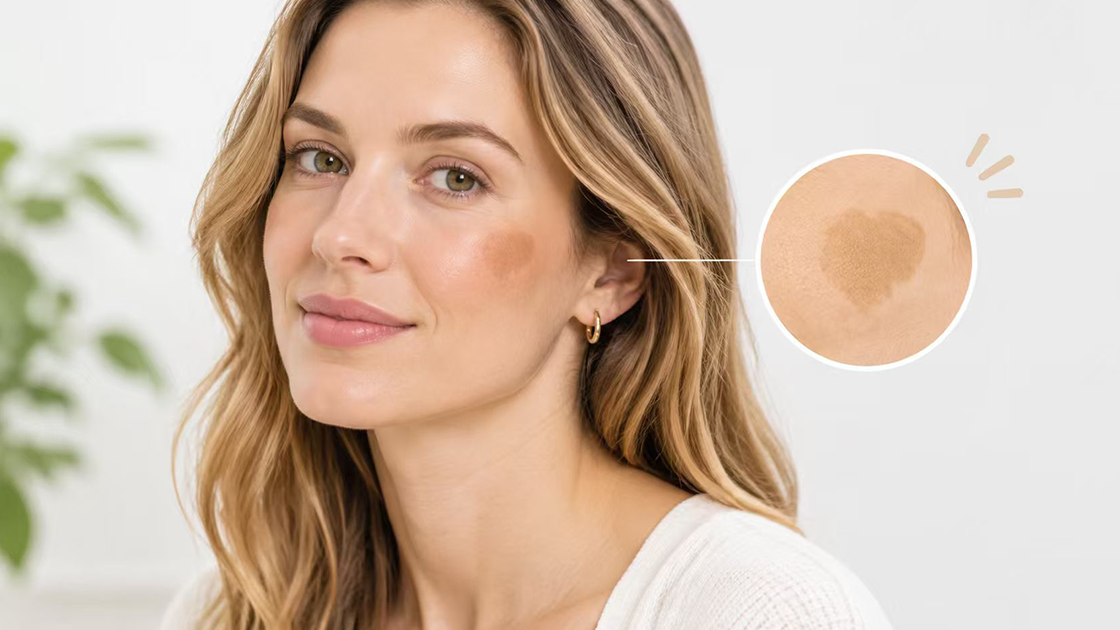
Café-au-lait macules (CALMs) are flat, well-defined patches with a light brown or darker coffee-colored appearance. Their color comes from increased melanin pigmentation in the skin. They may appear as a single mark or as several separate patches across the body.
These spots often develop during childhood, although adults may continue to notice them throughout life. Their size and shape vary, and they usually do not cause itching, pain, or other physical symptoms.
1.2 Why Do Some Adults Have Café-au-Lait Spots?
Café-au-lait spots can develop because of localized changes in melanin production and distribution. Some occur independently, while multiple spots may sometimes appear alongside inherited conditions.
For example, several café-au-lait macules can be associated with neurofibromatosis type 1 (NF1), a genetic condition that affects the skin and nervous system. Having one or a few spots does not automatically indicate an underlying disorder. However, adults with numerous café-au-lait macules or other unusual physical findings should seek a medical assessment before pursuing cosmetic treatment.
1.3 Café-au-Lait Spots vs. Freckles and Sunspots
Although these pigmentation concerns may look similar at first, they have different characteristics. Freckles are usually small and often become darker after sun exposure. Solar lentigines, commonly called sunspots or age spots, typically develop after cumulative ultraviolet exposure.
Café-au-lait macules are generally larger, more uniformly colored, and often present from an earlier age. Identifying the correct type of pigmentation matters because different lesions may respond differently to laser energy.
2. Why Adults Consider Treatment for Café-au-Lait Spots
Café-au-lait spots are usually medically harmless, so treatment is generally a personal cosmetic decision rather than a medical necessity. Adults may consider pigmentation management when visible marks affect their preferred skin appearance.
2.1 Visible Pigmentation on the Face and Neck
Café-au-lait spots on the cheeks, forehead, or neck can attract attention because these areas receive regular sun exposure and remain visible throughout the day. Even when a mark does not cause discomfort, differences in skin tone may make the complexion appear less uniform.
For some adults, the goal is not to remove every natural variation in skin color. Instead, they may want to reduce the contrast between the pigmented area and the surrounding skin.
2.2 Spots on the Arms, Shoulders, and Back
Café-au-lait macules can also appear on the upper arms, shoulders, chest, and back. These areas may become more noticeable when wearing sleeveless clothing or swimwear.
Larger or multiple lesions can require a more individualized assessment because their size, depth, and distribution may influence treatment planning.
2.3 Why Accurate Diagnosis Comes First
Not every brown patch should receive cosmetic laser treatment. Some pigmented lesions may resemble benign café-au-lait spots but require a different diagnosis.
A dermatologist can examine the lesion’s borders, color, distribution, and medical history. If a spot changes rapidly, develops irregular features, bleeds, crusts, or becomes persistently itchy, it should receive medical evaluation before any cosmetic procedure.
3. How Picosecond Laser Technology Addresses Pigmentation
Once a qualified professional confirms the diagnosis and determines that cosmetic treatment is appropriate, laser technology may become one option to discuss. Picosecond systems offer short energy pulses and wavelength flexibility for selected pigmented lesions.
3.1 Understanding the Photoacoustic Effect
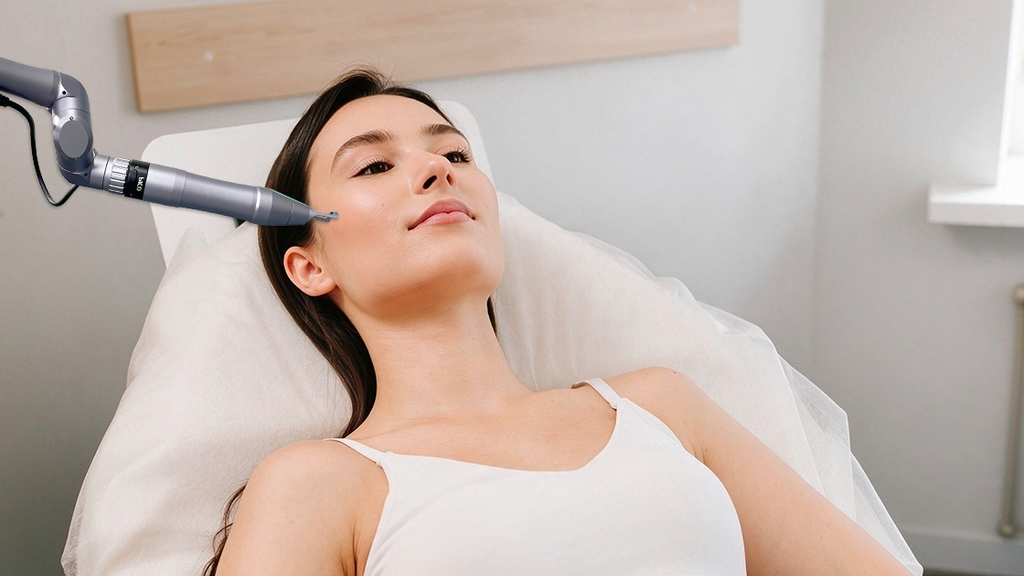
A picosecond laser delivers energy in pulses measured in trillionths of a second. This extremely short delivery time allows the laser to interact with pigment through rapid energy deposition and photomechanical, or photoacoustic, effects.
The resulting pressure changes can fragment pigment-containing structures into smaller particles. The body’s natural clearance processes then help remove some of the fragmented material over time.
Compared with longer-pulse approaches, picosecond technology emphasizes rapid energy delivery and targeted pigment interaction. However, shorter pulses do not guarantee better results for every café-au-lait macule. Clinical response still depends on lesion characteristics, treatment settings, and individual skin conditions.
3.2 The Role of 532nm and 1064nm Wavelengths
Dual-wavelength picosecond systems can offer 532nm and 1064nm options for different pigmentation concerns.
The 532nm wavelength interacts more strongly with melanin and is commonly used for selected superficial pigmented lesions, including certain freckles and sunspots. Its relatively strong melanin absorption also means practitioners must carefully consider surrounding skin pigmentation and the risk of post-treatment color changes.
The 1064nm wavelength penetrates more deeply and has lower melanin absorption than shorter wavelengths. It may be considered for selected deeper pigment concerns, depending on the lesion and the patient’s skin characteristics.
For café-au-lait macules, however, neither wavelength should be selected automatically. Published studies have investigated different laser wavelengths and pulse durations, and treatment outcomes vary. A professional assessment should determine whether a particular wavelength and protocol are appropriate for the specific lesion.
3.3 Why Adjustable Spot Size and Energy Matter
Laser systems with adjustable spot sizes provide practitioners with flexibility when treating pigmentation of different dimensions. A system offering approximately 2–10 mm spot sizes, for example, allows the treatment area to be adapted to the size and location of the target.
Energy density and pulse frequency also influence how laser energy interacts with the skin. Practitioners must select appropriate settings rather than simply using the highest available energy.
For café-au-lait macules, conservative treatment planning is especially important. Excessive energy may increase the risk of unwanted pigmentation changes, irritation, or scarring.
3.4 What Makes Picosecond Treatment Different?
The main distinction lies in pulse duration and how energy interacts with pigment. Picosecond technology uses ultrashort pulses to create rapid photomechanical effects, while other laser systems may rely more heavily on photothermal interactions.
A dual-wavelength platform also gives practitioners more than one wavelength option within the same treatment system. This flexibility can support individualized planning, but it does not mean that every pigmented lesion will respond equally well.
Importantly, evidence from one laser type cannot automatically establish the effectiveness of another. The specific pulse duration, wavelength, treatment parameters, and lesion characteristics all matter.
4. What to Expect From Café-au-Lait Laser Treatment
Understanding the treatment process can help adults make informed decisions and develop realistic expectations before scheduling a cosmetic procedure.
4.1 Initial Skin Assessment
A professional consultation should begin with an examination of the pigmented area. The practitioner may consider its size, color, border, location, and estimated depth, together with the patient’s skin type and previous treatment history.
A medical assessment is particularly important when multiple spots are present or when the diagnosis is uncertain. Cosmetic treatment should not replace an appropriate evaluation for possible underlying conditions.
4.2 Patch Testing and Treatment Planning
A small test area may help a practitioner observe how the skin responds to selected laser settings before treating a larger lesion. This step is particularly relevant because café-au-lait macules can show variable responses to laser treatment.
The treatment plan may also consider the time of year, recent tanning, skin sensitivity, and the possibility of post-inflammatory hyperpigmentation or hypopigmentation.
4.3 Treatment Sessions and Expected Results
Some pigmented lesions may become lighter after treatment, while others show limited improvement or require multiple sessions. The number of sessions depends on the lesion’s characteristics and its response to previous treatment.
It is important to understand that café-au-lait macules can be resistant to treatment and may recur after initial improvement. Complete and permanent clearance cannot be guaranteed.
4.4 Aftercare and Sun Protection
After laser treatment, the skin may experience temporary redness, swelling, sensitivity, or mild crusting. Following professional aftercare instructions helps protect the treated area while it recovers.
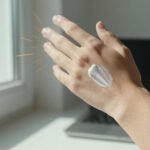
Daily broad-spectrum sunscreen, gentle cleansing, and avoiding unnecessary irritation are important parts of pigmentation care. Patients should also avoid picking or rubbing treated skin, as additional inflammation can contribute to unwanted pigmentation changes.
5. Safety Considerations and Realistic Expectations
Laser pigmentation treatment requires careful evaluation, particularly when the target lesion is a café-au-lait macule rather than a common superficial sunspot.
5.1 Understanding Possible Side Effects
Potential side effects include temporary redness, swelling, discomfort, post-inflammatory hyperpigmentation, hypopigmentation, and, less commonly, scarring.
People with darker skin tones may require particularly careful treatment planning because increased melanin in the surrounding skin can affect how laser energy is absorbed.
A patch test, appropriate parameter selection, and follow-up assessments can help practitioners evaluate individual responses. However, no laser treatment is completely free of risk.
5.2 Why Café-au-Lait Spots May Return
One challenge with café-au-lait macules is their tendency to show inconsistent responses. Even when a lesion becomes noticeably lighter, pigmentation may return over time.
Researchers have proposed that differences in pigment distribution, biological characteristics, and treatment response may contribute to recurrence. This is one reason why practitioners should avoid promising permanent removal.
5.3 Who Should Seek Professional Evaluation First?
Adults with multiple café-au-lait macules, a family history of related genetic conditions, or additional unusual skin or neurological findings should consult a qualified healthcare professional.
Individuals with recently changing or suspicious pigmented lesions also need a medical examination before considering cosmetic laser treatment. A cosmetic procedure should only follow an appropriate diagnosis.
FAQ
1. Are café-au-lait spots harmful?
Most café-au-lait spots are harmless and do not require treatment. However, multiple spots can sometimes be associated with genetic conditions, so medical evaluation may be appropriate.
2. Can a picosecond laser remove café-au-lait spots?
Picosecond laser treatment may lighten some café-au-lait macules, but results vary. Some lesions respond poorly or develop recurrent pigmentation after treatment.
3. Which wavelength is used for café-au-lait pigmentation?
Laser studies have investigated several wavelengths, including 532nm, 755nm, and 1064nm. The appropriate choice depends on the lesion, skin type, and treatment protocol.
4. How many laser sessions are needed?
There is no standard number of sessions. Some lesions may improve after one treatment, while others require multiple sessions or show limited improvement.
5. Can café-au-lait spots return after laser treatment?
Yes. Recurrence has been reported in clinical studies, even when the initial treatment produces visible lightening.
6. Is laser treatment suitable for every skin tone?
Not necessarily. Skin pigmentation affects laser energy absorption and the risk of side effects. A qualified practitioner should assess skin type and perform appropriate testing before treatment.
7. Should I treat a café-au-lait spot that has recently changed?
No cosmetic treatment should begin before a changing lesion receives medical evaluation. A dermatologist should first determine whether the spot is benign.
Conclusão
Café-au-lait spots can remain visible throughout adulthood, leading some people to explore cosmetic options for a more even-looking complexion. Picosecond laser technology offers targeted energy delivery, photoacoustic pigment interaction, and wavelength flexibility through 532nm and 1064nm options. Nevertheless, café-au-lait macules can respond unpredictably, and recurrence remains an important consideration. Accurate diagnosis, individualized treatment planning, patch testing, and consistent sun protection all contribute to a more responsible approach to pigmentation management. Rather than expecting guaranteed removal, adults should focus on understanding their skin condition and discussing realistic treatment goals with a qualified professional.
References
- Guo, Z. Z., et al. (2023). Laser treatment for Cafe-au-lait Macules: A systematic review and meta-analysis. European Journal of Medical Research, 28, 185.
https://doi.org/10.1186/s40001-023-01143-1
- Cen, J., et al. (2020). Comparative Effectiveness of 755-nm Picosecond Laser, 755- and 532-nm Nanosecond Lasers for Treatment of Café-au-Lait Macules (CALMs): A Randomized, Split-Lesion Clinical Trial. Lasers in Surgery and Medicine.
https://pubmed.ncbi.nlm.nih.gov/32896932
- Treatment of Café-au-Lait Macules with Picosecond and Nanosecond 1064-nm Nd Laser: A Retrospective Study. (2025).
https://pubmed.ncbi.nlm.nih.gov/39883241
- DermNet. Café-au-lait Macule.
https://dermnetnz.org/topics/cafe-au-lait-macule
- Paasch, U., et al. (2022). S2k Guideline: Laser Therapy of the Skin. Journal der Deutschen Dermatologischen Gesellschaft.