Introduction
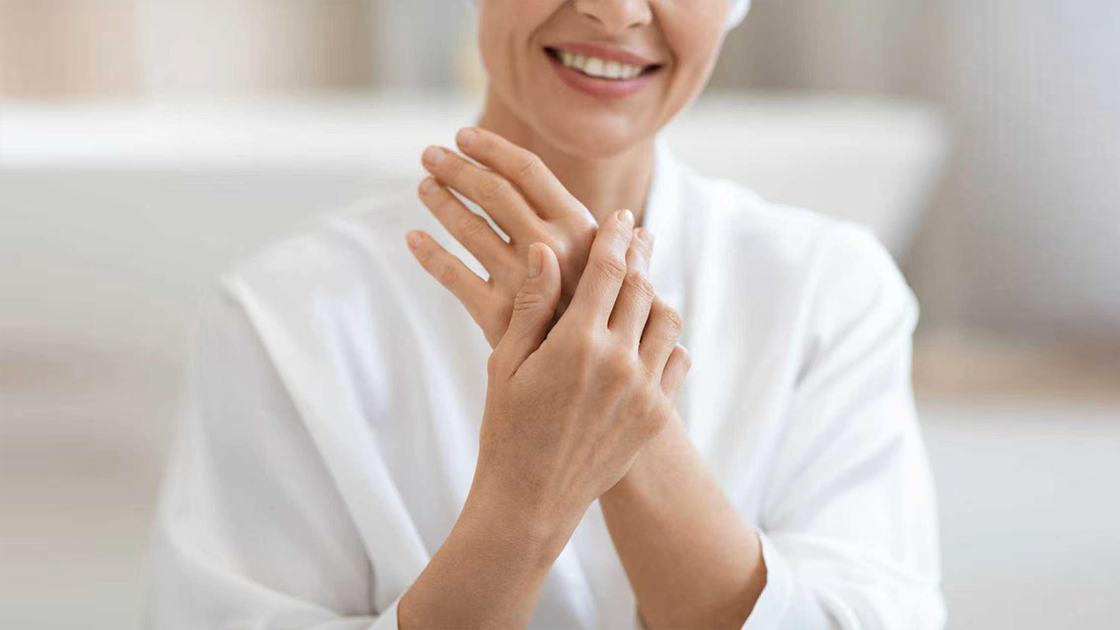
For chefs, carpenters, mechanics, florists, and other hands-on professionals, the hands are among the hardest-working parts of the body. Daily exposure to water, cleaning products, tools, friction, and sunlight can leave the skin feeling dry and looking rough. Over time, fine lines, crepey texture, and reduced firmness may become more noticeable, especially on the backs of the hands. While these changes are influenced by natural aging and environmental exposure, modern aesthetic treatments offer additional ways to improve the appearance of aging hands. Radiofrequency (RF) skin tightening is one non-invasive option that uses controlled thermal energy to support collagen remodeling and promote firmer-looking skin. Understanding how this technology works, who may benefit, and how to care for frequently used hands can help people make informed skincare decisions.
1. Why Hands-On Professionals May Notice Skin Aging Earlier
1.1 Daily Work Habits and Their Effects on Hand Skin
People who work with their hands often face repeated environmental stress throughout the day. Chefs regularly wash their hands and handle hot equipment, while carpenters and mechanics may encounter dust, friction, solvents, and other workplace materials. Florists and gardeners frequently work with water, soil, and outdoor sunlight. These activities do not directly cause every sign of aging, but repeated exposure to water, detergents, irritants, and ultraviolet (UV) radiation can weaken the skin barrier and contribute to dryness, roughness, and visible skin changes. Frequent handwashing may remove some of the skin’s natural lipids, while outdoor work can add cumulative UV exposure. As a result, people in hands-on occupations may notice that their hands look older or feel drier than other areas of their skin.
1.2 Understanding Fine Lines, Crepey Texture, and Skin Laxity
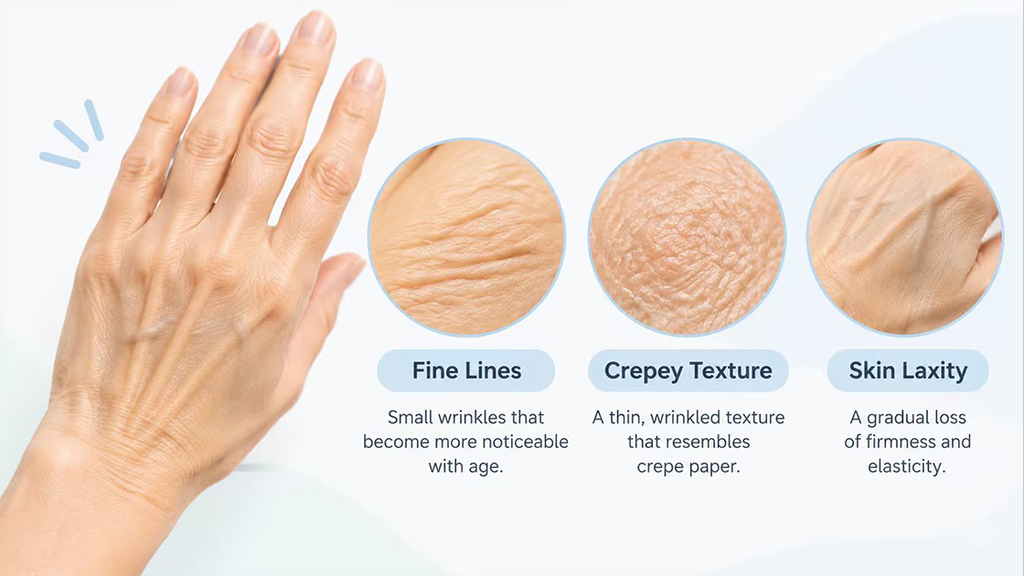
Several changes can contribute to an aged appearance on the hands. Fine lines are small wrinkles that become more visible as the skin loses moisture and structural support. Crepey skin describes a thin, finely wrinkled texture that resembles crepe paper, while skin laxity refers to a gradual loss of firmness and elasticity. Collagen provides structural support, and elastin helps the skin stretch and return to its original shape. As natural aging and accumulated sun exposure affect these components, the skin may become thinner, less elastic, and more wrinkled. Reduced skin fullness can also make veins and underlying structures more noticeable. These concerns are not always caused by occupational habits alone, so identifying the main source of the changes is an important first step before considering an aesthetic procedure.
2. How Radiofrequency Skin Tightening Works
2.1 The Role of Radiofrequency Energy in Skin Rejuvenation
Radiofrequency skin tightening uses controlled electromagnetic energy to generate heat within targeted skin tissue. This thermal effect can influence collagen fibers in the dermis, the layer of skin that provides much of its structural support. Depending on the treatment system and its settings, controlled heating may cause existing collagen fibers to contract and initiate a wound-healing response associated with collagen remodeling. Over time, these processes may help improve the appearance of mild skin laxity, fine lines, and uneven texture. Unlike treatments that primarily target surface pigmentation, RF focuses on tissue heating rather than selectively targeting melanin. However, treatment depth, energy delivery, and results depend on the specific technology and application method. RF should therefore be understood as an aesthetic skin-tightening option, not a treatment that reverses every cause of hand aging.
2.2 Collagen Remodeling and Firmer-Looking Skin
Collagen remodeling is a gradual biological process rather than an instant transformation. When controlled thermal energy reaches the dermis, it may stimulate changes in existing collagen and activate repair-related cellular activity. Fibroblasts, the cells responsible for producing collagen and other components of the extracellular matrix, play an important role in this process. As remodeling develops, some people may notice improvements in skin firmness, elasticity, and surface appearance. The degree of change varies according to age, skin condition, treatment parameters, and individual response. It is also important to distinguish RF skin tightening from microneedling radiofrequency. These approaches use different methods of energy delivery, so clinical findings from one technology should not automatically be applied to another.
3. Exploring RF Skin Tightening for Aging Hands
3.1 Can RF Help Improve the Appearance of Crepey Skin?
Crepey skin on the backs of the hands can be difficult to address with moisturizer alone, particularly when reduced elasticity and collagen changes contribute to the texture. RF skin tightening may be considered when the primary concern is mild skin laxity or fine wrinkling rather than severe volume loss or a medical skin condition. Controlled heating of the dermal tissue may support collagen remodeling, which can gradually improve the appearance of skin firmness and texture. However, the evidence for hand rejuvenation varies by RF technology. A clinical study of microneedle fractional RF reported improvements in dorsal hand skin roughness, but that specific technique is not identical to non-invasive RF systems. A qualified provider should evaluate the hand area and confirm that the selected device and treatment protocol are appropriate before proceeding.
3.2 Fine Lines, Skin Texture, and Overall Hand Appearance
Fine lines and rough texture often appear together, but they do not always share the same cause. Dehydration can make small lines more visible, while cumulative sun exposure and age-related collagen changes may contribute to more persistent wrinkles and reduced elasticity. RF may help address the firmness component of these concerns, but it does not replace treatments designed for pigmentation, surface damage, or significant volume loss. For example, age spots may require a dermatologist to consider laser treatment, topical products, or other approaches. A personalized hand rejuvenation plan should begin with an assessment of skin texture, pigmentation, laxity, and overall skin health. This helps match each concern with a suitable treatment rather than expecting one technology to address every visible change.
4. What to Expect from a Professional RF Treatment
4.1 Treatment Assessment and Individualized Energy Delivery
A professional RF session should begin with an evaluation of the treatment area, skin condition, medical history, and aesthetic goals. The backs of the hands have relatively delicate skin, so the provider must determine whether the selected system is suitable for this area and follow its specific instructions. Professional RF platforms may offer adjustable energy settings and different treatment handles for different anatomical areas. Some systems also provide touchscreen controls that allow practitioners to select treatment areas and adjust parameters according to the treatment plan. A 1 MHz RF output is one example of a technical specification found in aesthetic RF equipment, but frequency alone does not determine treatment effectiveness or safety. Energy level, applicator design, movement, contact, and tissue response all matter. The provider should use an appropriate protocol rather than simply transferring settings from facial or body treatments to the hands.
4.2 Comfort, Treatment Sensations, and Recovery
During a non-invasive RF procedure, clients commonly experience a gradual warming sensation as energy is delivered to the skin. The provider should monitor comfort and skin response throughout the session, adjusting the application when necessary. Mild temporary redness or warmth may occur after treatment, although the response varies with the device, settings, and individual skin sensitivity. Many non-invasive RF procedures involve limited recovery time, but this should not be interpreted as a guarantee of zero downtime or no side effects. Clients should follow the provider’s aftercare instructions and avoid unnecessary irritation while the skin settles. If pain, blistering, persistent redness, or an unusual skin reaction develops, they should contact the treating professional for guidance.
4.3 Who May Be a Suitable Candidate?
Adults who notice mild hand skin laxity, fine lines, or a crepey appearance may wish to discuss RF skin tightening with a qualified aesthetic professional. However, suitability depends on more than age or occupation. People with active skin infections, open wounds, significant irritation, or unexplained lesions should have the affected area assessed before cosmetic treatment. Individuals with implanted electronic devices, certain metal implants, or medical conditions that may affect treatment safety should disclose these details during consultation and follow the device-specific contraindications. RF is not a substitute for medical evaluation of suspicious spots, persistent rough patches, or changing lesions. A dermatologist should assess any area that could represent actinic keratosis or another skin condition before cosmetic treatment is considered.
5. Building a Practical Hand-Care Routine for Long-Term Results
5.1 Protecting Hands from Workplace Irritants and Sun Exposure
Aesthetic treatments work best as part of a broader hand-care routine. For people who regularly handle detergents, solvents, cleaning agents, or other irritants, suitable protective gloves can reduce direct contact when workplace tasks allow. Gloves should fit properly and be appropriate for the materials being handled. After washing, applying a fragrance-free moisturizer can help replenish the skin barrier and reduce moisture loss. Outdoor workers should also apply broad-spectrum sunscreen with SPF 30 or higher to the backs of their hands and reapply it as directed, especially after washing. These simple habits help limit avoidable environmental stress and support healthier-looking skin between professional treatments.
5.2 Supporting Skin Hydration and Maintaining Results
Consistent hydration is particularly important for people whose work involves frequent handwashing or exposure to dry environments. A moisturizer containing ingredients such as glycerin, ceramides, or petrolatum can help attract and retain water while supporting the skin barrier. Applying hand cream after washing and before bedtime may help reduce dryness and roughness. People who experience frequent irritation should consider gentle cleansers and avoid unnecessarily hot water. If RF treatment is part of a hand rejuvenation plan, follow-up sessions should be based on the provider’s assessment, the device protocol, and the individual’s response. Sunscreen, protective habits, and regular moisturization remain important because no aesthetic procedure can stop natural aging or prevent future environmental damage.
FAQ
1. Can radiofrequency tighten loose skin on the hands?
RF may help improve the appearance of mild skin laxity by delivering controlled heat that supports collagen remodeling. Results vary, and the treatment system must be appropriate for the hand area
2. Can RF reduce crepey skin on the backs of the hands?
It may improve skin firmness and texture in some individuals. However, crepey skin can have several causes, so a professional assessment is important before choosing a treatment.
3. Is RF treatment painful?
Most people describe a warming sensation during non-invasive RF treatment. Comfort depends on the energy settings, treatment technique, and individual sensitivity.
4. How many RF sessions are needed?
The number of sessions varies according to the device, treatment protocol, skin condition, and desired outcome. A qualified provider can recommend an appropriate schedule.
5. Is RF suitable for everyone?
No. Certain skin conditions, implanted devices, and medical circumstances may affect suitability. A professional consultation and review of device-specific precautions are essential.
6. Can hand cream replace RF skin tightening?
Moisturizers help improve hydration and reduce dryness, but they do not provide the same type of dermal heating as RF. The two approaches serve different purposes and may complement each other.
7. Does RF permanently stop hand aging?
No. RF does not stop natural aging or prevent future sun damage. Consistent sun protection and hand care remain important after treatment.
Conclusion
Hands tell the story of daily work, but years of frequent washing, friction, outdoor exposure, and natural aging can gradually affect their appearance. For chefs, carpenters, mechanics, florists, and other hands-on professionals, fine lines, crepey texture, and reduced firmness may become noticeable concerns. Radiofrequency skin tightening offers a non-invasive aesthetic option that uses controlled thermal energy to support collagen remodeling and may improve the appearance of mild skin laxity. Still, results depend on the technology, treatment area, professional technique, and individual skin condition. Combining an appropriate treatment plan with regular moisturizing, protective gloves, and daily sunscreen can help maintain healthier-looking hands over time. A qualified professional can determine whether RF is suitable and recommend an approach that matches each person’s skin needs and expectations.
References
- American Academy of Dermatology – What Can Make My Hands Look Younger?
https://www.aad.org/public/cosmetic/younger-looking/what-makes-hands-look-younger
- American Academy of Dermatology – Dry Skin: Who Gets and Causes
https://www.aad.org/public/diseases/a-z/dry-skin-causes
- National Institute on Aging – Skin Care and Aging
https://www.nia.nih.gov/health/skin-care/skin-care-and-aging
- Introduction and Overview of Radiofrequency Treatments in Aesthetic Dermatology
https://pubmed.ncbi.nlm.nih.gov/36459080
- Prospective Trial of Microneedle Fractional Radiofrequency in the Hand Rejuvenation Treatment