Introdução
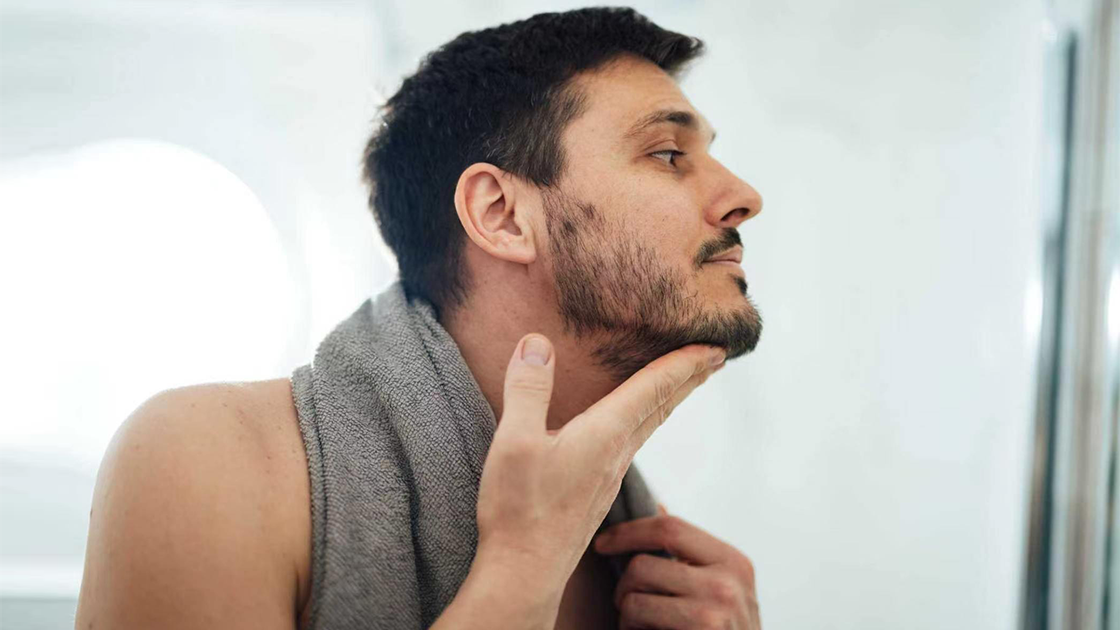
For many men, shaving is a regular part of maintaining a clean, professional appearance. However, frequent shaving can lead to recurring razor bumps, ingrown hairs, redness, and uneven-looking skin, especially along the neck and jawline. These problems can be particularly frustrating for men with thick, coarse, or curly facial hair, as regrowing hairs may bend back toward the skin and trigger inflammation. While changing shaving habits can help, men who experience persistent irritation may want to explore longer-term hair reduction options. Professional laser hair reduction targets hair follicles rather than simply cutting hair at the skin’s surface, potentially reducing regrowth and the repeated shaving that contributes to neckline irritation.
1. Why Ingrown Hairs Frequently Develop Along the Neckline
1.1 The Connection Between Shaving and Razor Bumps
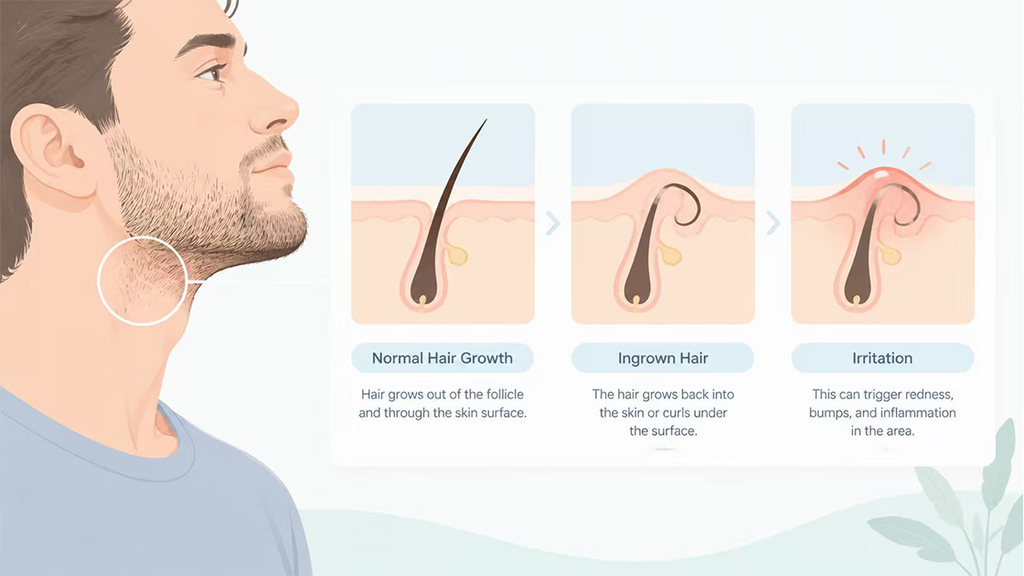
Ingrown hairs develop when a hair grows back into the skin or penetrates the surrounding skin after being cut. This can trigger an inflammatory response that appears as small, red or skin-colored bumps, sometimes accompanied by itching, tenderness, or dark marks. The condition is commonly known as pseudofolliculitis barbae when it occurs in the beard area.
Men with tightly curled or coarse hair may be particularly susceptible because a newly cut hair can curve back toward the skin. Shaving very closely, stretching the skin, and repeatedly passing a razor over the same area can make the problem worse. The neck is especially challenging because hair often grows in several directions beneath the jawline, making a consistently smooth shave difficult to achieve.
1.2 When Repeated Irritation Becomes a Long-Term Skin Concern
Occasional razor bumps may settle as the skin recovers, but repeated inflammation can lead to persistent discoloration and, in some cases, scarring. Men who shave every day for work or personal grooming may find themselves caught in a cycle: removing visible hair, developing new bumps as it grows back, and shaving again before the skin has fully recovered.
This cycle is not always caused by poor shaving technique. Hair texture, growth direction, skin sensitivity, and underlying skin conditions can all contribute. When bumps become painful, contain pus, spread, or leave persistent marks, a dermatologist can help determine whether the problem is ingrown hair, folliculitis, or another condition requiring different treatment.
2. How Laser Hair Reduction Targets the Source of Ingrown Hairs
2.1 From Surface Hair Removal to Follicle-Targeted Treatment
Traditional shaving removes the visible portion of a hair but leaves the follicle intact, allowing new growth to emerge. Laser hair reduction takes a different approach by delivering light energy that is absorbed by melanin, the pigment found in hair. The absorbed energy converts into heat, which damages targeted follicular structures and reduces their ability to produce hair.
Professional diode laser systems operating around 810 nm are designed to target pigment within the hair follicle. Treatment parameters, including energy delivery and pulse duration, can be selected according to the individual’s skin characteristics, hair thickness, and treatment area. The goal is progressive hair reduction over a series of sessions rather than immediate, complete removal of every hair.
2.2 Why Reducing Hair Growth May Help With Recurring Razor Bumps
When less hair grows back, there may be fewer hairs available to curl into the skin. For men whose ingrown hairs are closely associated with repeated shaving, reducing hair density can help address one of the factors contributing to recurring bumps.
However, laser treatment does not guarantee that all irritation or inflammation will disappear. Existing pigmentation and scars may remain after hair growth decreases, and bumps caused by bacterial infection or another skin condition may require separate care. Laser hair reduction is best viewed as a potential long-term hair-management strategy, not a universal treatment for every type of neckline rash.
3. Choosing a Laser Hair Reduction Approach for the Neck and Beard Line
3.1 The Role of Diode Laser Technology
The effectiveness of laser hair reduction depends on delivering appropriate energy to the targeted follicles while limiting unwanted heating of the surrounding skin. Diode laser systems can provide controlled light delivery and adjustable treatment settings, allowing trained practitioners to tailor treatment to the characteristics of the hair and skin.
Some professional systems also use contact cooling, including sapphire-based cooling surfaces, to cool the skin during energy delivery. Cooling may improve treatment comfort and help protect the skin surface, although it does not eliminate the risk of adverse reactions. Appropriate settings, correct technique, protective eyewear, and practitioner experience remain essential components of safe treatment.
3.2 Matching Treatment to Skin Tone and Hair Characteristics
Not every man responds to laser treatment in the same way. Darker, coarser hairs generally provide more pigment for laser energy to target, while blonde, white, gray, and some red hairs may respond poorly. Skin tone also matters because the skin contains melanin, which can absorb laser energy and increase the risk of burns or unwanted pigmentation changes if the treatment is not appropriately selected.
Men with darker skin can still be candidates for laser hair reduction, but the provider should have experience treating their skin tone and choose suitable technology and parameters. An assessment should also consider recent tanning, medication use, previous scarring, active skin irritation, and the desired beard outline before treatment begins.
4. What to Expect From a Neckline Treatment Plan
4.1 Why Multiple Sessions Are Usually Necessary
Hair grows in different phases, and laser treatment is most effective when hairs are in a suitable growth phase. Because not all follicles are in that phase at the same time, a series of treatments is usually needed to achieve meaningful reduction. The number and spacing of sessions depend on the treatment area, hair density, individual response, and the provider’s assessment.
Results develop gradually. Treated hairs may shed over the following days or weeks, and regrowth may become finer or less dense as treatment progresses. Some men may need maintenance sessions over time. Laser hair reduction should therefore be planned as a gradual process rather than a one-time solution for all unwanted neck hair.
4.2 Preserving the Desired Beard Shape
Men seeking neckline treatment do not necessarily want to remove all facial hair. Some prefer to keep a full beard while reducing the hair below the beard line; others may want less dense growth along the jaw or a broader reduction in facial hair.
Clear communication about the intended result is important before treatment. The practitioner should identify the treatment boundaries and discuss how hair reduction may affect the natural beard shape. Since laser treatment can produce long-lasting changes, men should consider their preferred appearance carefully before treating areas where they may want to retain hair in the future.
5. Preparing the Skin and Managing Recovery
5.1 Before the Appointment
A consultation should include a review of skin type, hair characteristics, medical history, medications, previous reactions, and expectations. Men should disclose any recent tanning, tendency to develop raised scars, active skin conditions, or medicines that may affect treatment. The provider can then give specific preparation instructions, including whether and when to shave the area.
Waxing, plucking, and other methods that remove the hair from its follicle are generally avoided before laser treatment because the target hair needs to remain available within the follicle. Sun protection is also important before and after treatment. The exact preparation schedule should follow the treating professional’s instructions rather than a one-size-fits-all routine.
5.2 After Treatment: Supporting Skin Recovery
Temporary redness, mild swelling, and discomfort can occur after laser hair reduction. Cooling the area as directed and avoiding unnecessary friction can help manage short-term sensitivity. Men should follow their provider’s guidance on cleansing, shaving, exercise, sun exposure, and the use of active skincare products until the skin has recovered.
Blistering, significant pain, crusting, worsening inflammation, or persistent changes in skin color should not be ignored. Contact the treating professional if an unexpected reaction occurs. If bumps are painful, spreading, draining pus, or repeatedly returning despite changes in shaving habits, seek medical evaluation rather than assuming every bump is an ingrown hair.
6. Everyday Grooming Habits That Can Help Reduce Ingrown Hairs
Laser hair reduction may be part of a longer-term plan, but daily grooming habits remain relevant. Shaving in the direction of hair growth, avoiding excessive skin stretching, using short strokes, and not repeatedly shaving the same area can reduce the chance of cutting hairs too close to the skin. Some men may benefit from using an electric trimmer that leaves a small amount of visible stubble instead of pursuing an extremely close shave.
A gentle cleanser and non-irritating moisturizer can support the skin barrier, while daily broad-spectrum sunscreen helps reduce the risk of persistent dark marks after inflammation. Avoid digging out embedded hairs or aggressively scrubbing inflamed bumps, as these practices can increase irritation and scarring. If routine changes do not improve the problem, a dermatologist can recommend a plan based on the cause and severity of the condition.
Frequently Asked Questions
Can laser hair reduction help with ingrown hairs on the neck?
It may help when recurring ingrown hairs are linked to shaving and hair regrowth. Reducing hair density can reduce the number of hairs that may curl back into the skin, but results vary and other causes of inflammation may need separate treatment.
How many sessions are needed for male neckline laser hair reduction?
Several sessions are generally required because hair follicles grow in different phases. The total number and treatment intervals depend on hair density, skin characteristics, the treatment system, and individual response.
Is diode laser hair reduction suitable for darker skin tones?
Some laser approaches can be used for darker skin tones, but correct technology selection and settings are essential. Choose a qualified provider with experience treating your skin tone to help reduce the risk of burns and pigmentation changes.
Does laser hair reduction permanently eliminate all beard hair?
No. It is more accurate to describe the goal as long-term hair reduction. Some hairs may remain or regrow, and maintenance treatments may be needed.
When should I see a dermatologist about razor bumps?
Seek medical advice if bumps are painful, contain pus, spread, persist, or leave scars or lasting discoloration. A dermatologist can distinguish ingrown hairs from folliculitis and other skin conditions that may require specific treatment.
Conclusão
Recurring ingrown hairs along the neckline can make everyday grooming uncomfortable, particularly for men with coarse or curly facial hair who shave frequently. Adjusting shaving habits may help reduce irritation, but persistent problems may call for a broader approach. Professional laser hair reduction uses targeted light energy to affect hair follicles and can gradually reduce unwanted regrowth, while adjustable treatment parameters and contact cooling may support a more controlled treatment process. Results depend on hair and skin characteristics, appropriate settings, and practitioner experience. With realistic expectations, careful preparation, and suitable follow-up care, laser hair reduction may be a useful option for men seeking a more manageable grooming routine and fewer shaving-related bumps.
References
- American Academy of Dermatology Association. Razor bump remedies for men with darker skin tones.
https://www.aad.org/public/everyday-care/skin-care-basics/hair/razor-bump-remedies - DermNet. Pseudofolliculitis barbae.
https://dermnetnz.org/topics/pseudofolliculitis-barbae - Mayo Clinic. Laser hair removal.
https://www.mayoclinic.org/tests-procedures/laser-hair-removal/about/pac-20394555 - American Academy of Dermatology Association. 6 ways to remove unwanted hair.
https://www.aad.org/public/everyday-care/skin-care-basics/hair/remove-unwanted-hair - American Academy of Dermatology Association. Laser hair removal: Preparation.
https://www.aad.org/public/cosmetic/hair-removal/laser-hair-removal-preparation