Introdução
Laser-based body sculpting has become a widely used non-invasive approach for individuals who want to refine body contours and improve overall silhouette balance. By delivering controlled aesthetic laser energy to targeted areas, this method supports skin firmness and surface smoothness, especially in regions that influence visual proportion such as the waist and hips. Rather than focusing on drastic changes, modern body sculpting trends emphasize subtle, natural-looking refinement that fits into long-term beauty and wellness routines.
1. Understanding Waist-to-Hip Ratio in Body Aesthetics
1.1 Why Waist-to-Hip Proportion Matters in Visual Body Shape
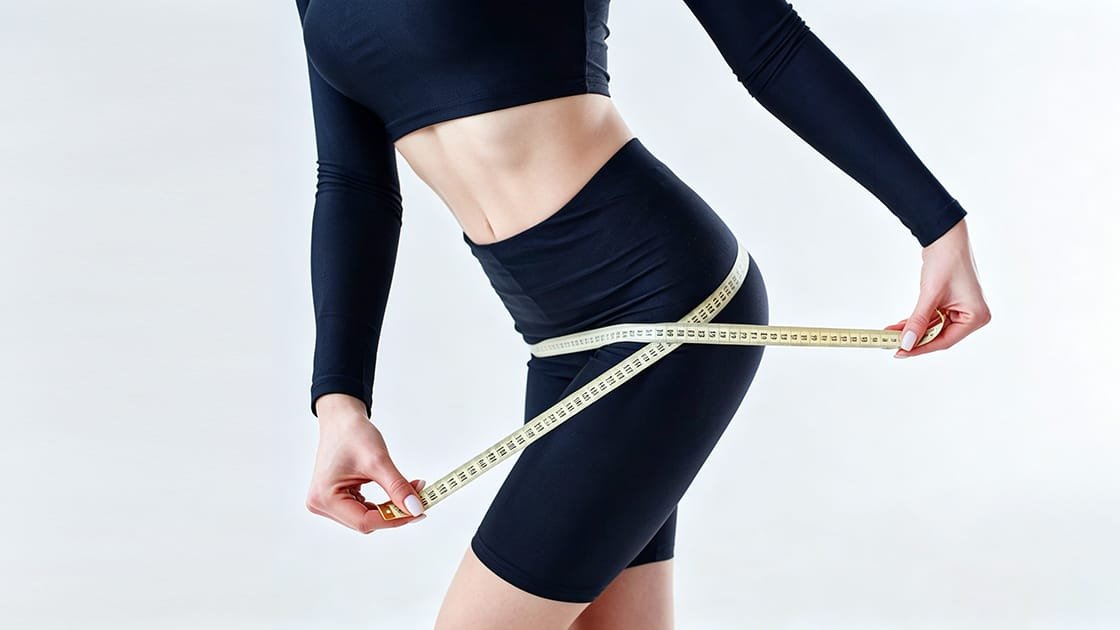
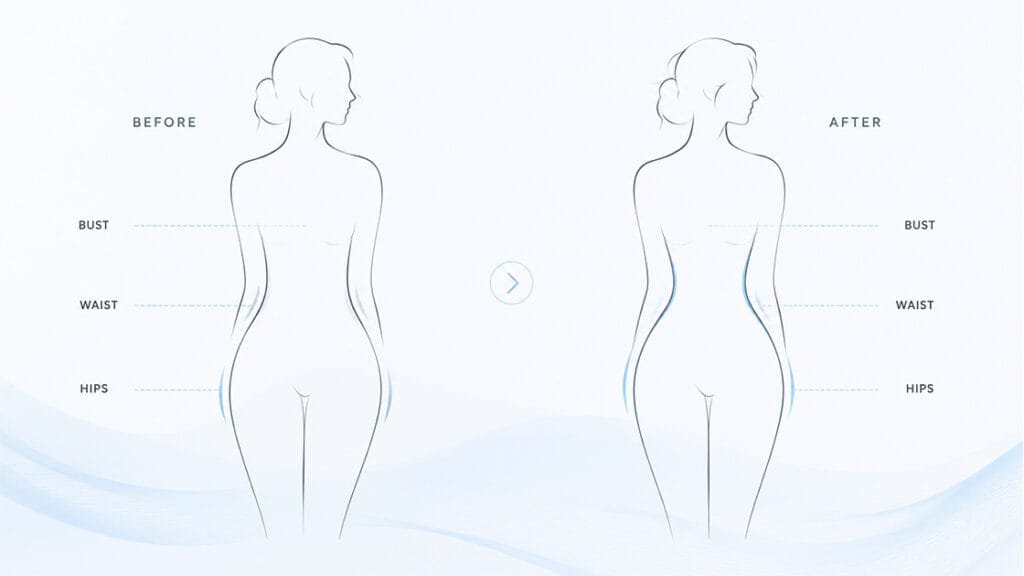
The waist-to-hip ratio is a key reference in body aesthetics that describes the balance between the narrowest part of the waist and the widest part of the hips. This proportion significantly influences how structured, defined, and harmonious the overall silhouette appears.
Many individuals focus on enhancing this ratio through visual refinement strategies rather than structural changes, aiming for smoother transitions between body zones.
1.2 Skin Elasticity and Its Role in Body Contour Appearance
Skin elasticity plays an essential role in how body curves are perceived. When skin loses firmness due to weight fluctuations, aging, or lifestyle factors, the waist and hip region may appear less defined.
Aesthetic laser systems support skin appearance by interacting with dermal layers, helping improve firmness and overall surface quality in targeted zones.
2. How Aesthetic Laser Technology Supports Body Sculpting
2.1 Targeted Energy for Skin Tightening and Texture Refinement
Modern aesthetic laser devices use controlled energy delivery to stimulate localized skin responses. When applied to the waist and hip region, this energy helps support improved skin texture and a firmer-looking surface.
This approach focuses on visual contour refinement rather than invasive alteration, making it suitable for gradual aesthetic improvement.
2.2 Supporting Collagen-Related Skin Structure Appearance
Laser-based body sculpting is often associated with supporting the skin’s collagen network, which plays a key role in maintaining firmness and elasticity. These structural qualities directly influence how defined and smooth body curves appear.
With consistent application over time, users often incorporate laser treatments into routine aesthetic care to maintain improved skin appearance.
2.3 Non-Invasive Nature and Lifestyle Integration
One of the main advantages of laser body sculpting is its non-invasive nature. It requires no downtime and can easily be integrated into regular beauty or wellness routines.
This makes it appealing for individuals who prefer gradual enhancement rather than immediate or invasive procedures.
3. Waist and Hip Area Focus in Body Sculpting
3.1 Waistline Definition and Visual Contour Enhancement
The waist area plays a central role in body shaping because it defines the transition between upper and lower body proportions. Aesthetic laser application in this region supports improved skin firmness, helping enhance waistline definition.
3.2 Hip Curve Smoothness and Skin Firmness Support
The hip region contributes significantly to overall body balance. Improving skin texture and firmness in this area helps create smoother, more continuous curves that support a natural silhouette.
3.3 Balanced Silhouette Development
When both waist and hip areas are addressed together, the result is a more balanced and visually harmonious body shape. This combined approach aligns with modern aesthetic preferences focused on natural proportions.
4. Role of Body Sculpting Laser Systems in Contour Refinement
4.1 Localized Energy Delivery for Body Sculpting
Body sculpting laser systems designed for aesthetic use provide localized energy output that can be applied to specific areas such as the waist, abdomen, and hips. These systems allow focused treatment for contour refinement needs.
4.2 Integration into Structured Beauty Routines in Body Sculpting
Laser body sculpting is often incorporated into broader aesthetic routines rather than used as a standalone method. Users typically follow structured sessions as part of long-term body care strategies.
4.3 Gradual Visual Improvement Approach in Body Sculpting
Instead of immediate transformation, laser-based sculpting focuses on progressive enhancement. Over time, this approach supports improved skin appearance and contour definition.
In advanced aesthetic systems such as those used in professional body contouring devices, controlled energy delivery is designed to support localized tightening and surface refinement, making them suitable for structured waist-to-hip enhancement routines.
5. Aesthetic Strategy for Waist-to-Hip Ratio Enhancement
5.1 Midsection Firmness and Waist Definition Support
Improving skin firmness in the midsection helps enhance waistline definition, contributing to a more structured visual body shape.
5.2 Lower Body Sculpting Continuity
In the hip area, aesthetic laser application supports smoother surface texture, helping improve the visual continuity between waist and hips.
5.3 Overall Silhouette Refinement Strategy in Sculpting
A combined approach targeting both waist and hips creates a more balanced and proportionate silhouette appearance, aligning with modern aesthetic goals focused on natural body harmony.
FAQ
What is laser body sculpting used for?
It supports skin firmness and helps improve the visual appearance of body contours.
Can laser body sculpting change body shape?
It focuses on appearance-based contour refinement rather than structural body changes.
How does it improve waist-to-hip appearance?
By supporting skin tightness and surface smoothness, it enhances visual body proportions.
Is this a surgical procedure?
No, it is a non-invasive aesthetic laser-based approach.
Conclusão
Laser body sculpting provides a non-invasive method to support waist-to-hip ratio enhancement through skin firmness and contour refinement. By focusing on gradual improvements in surface texture and visual definition, it helps create a more balanced and naturally structured silhouette that fits into long-term aesthetic care routines.
References
Non-Invasive Body Contouring Technologies and Skin Tightening Mechanisms
https://www.ncbi.nlm.nih.gov/pmc/articles/PMC5523874/
Radiofrequency and Laser-Based Devices for Aesthetic Body Shaping Applications
https://www.ncbi.nlm.nih.gov/pmc/articles/PMC4743666/
Dermal Collagen Remodeling Response to Energy-Based Aesthetic Treatments
https://www.ncbi.nlm.nih.gov/pmc/articles/PMC6686165/
Energy-Based Devices in Non-Surgical Body Contouring Procedures
https://www.sciencedirect.com/science/article/pii/S1011134416301238/