Introduction
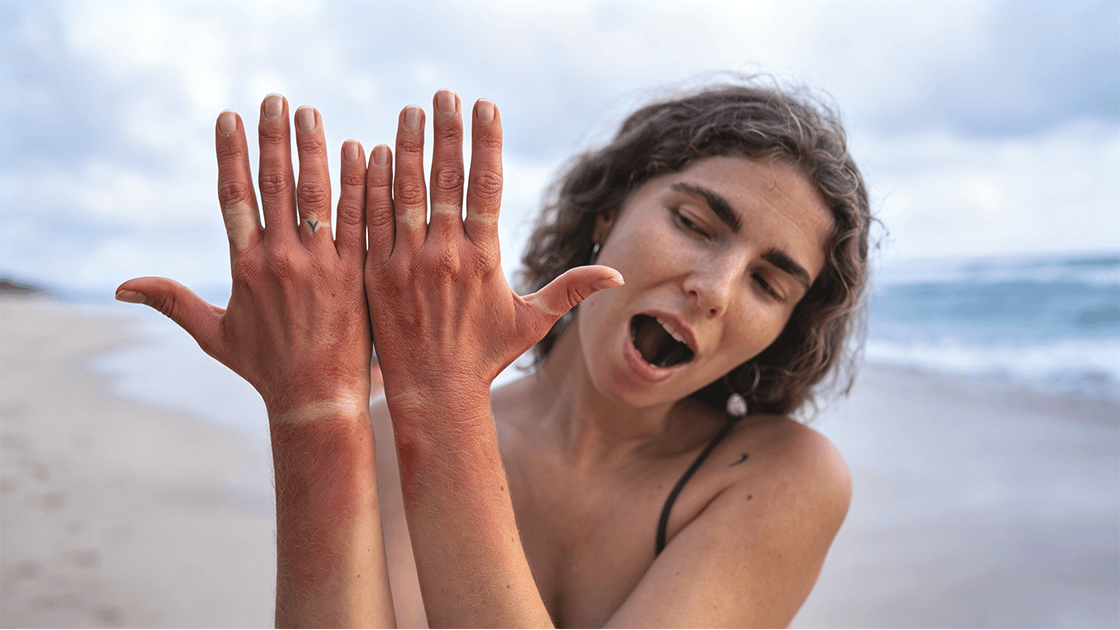
Hands and arms are often among the first areas to show visible signs of environmental exposure and skin aging. Unlike facial skincare routines that receive daily attention, hand and arm care is sometimes overlooked even though these areas experience frequent sunlight exposure, which may contribute to uneven skin tone, sun spots, and changes in skin appearance. Modern aesthetic laser technology provides new options for people who want to improve the appearance of pigmentation concerns while supporting overall skin quality. Pico laser technology with dual wavelengths, including 532nm and 1064nm, is designed to target different pigmentation depths through precise energy delivery. The 532nm wavelength is commonly associated with superficial pigmentation concerns such as sun spots, while the 1064nm wavelength can reach deeper pigment-related concerns. This advanced approach allows aesthetic professionals to create more personalized skin rejuvenation plans for clients focusing on hand and arm appearance.
1. Understanding Sun Spots on Hands and Arms
Hands and arms are constantly exposed to daily environmental factors, making them important areas in long-term skin appearance management. Understanding why sun spots appear and how pigmentation develops can help individuals make better decisions when exploring modern aesthetic options.
1.1 Why Hands and Arms Show Visible Signs of Sun Exposure
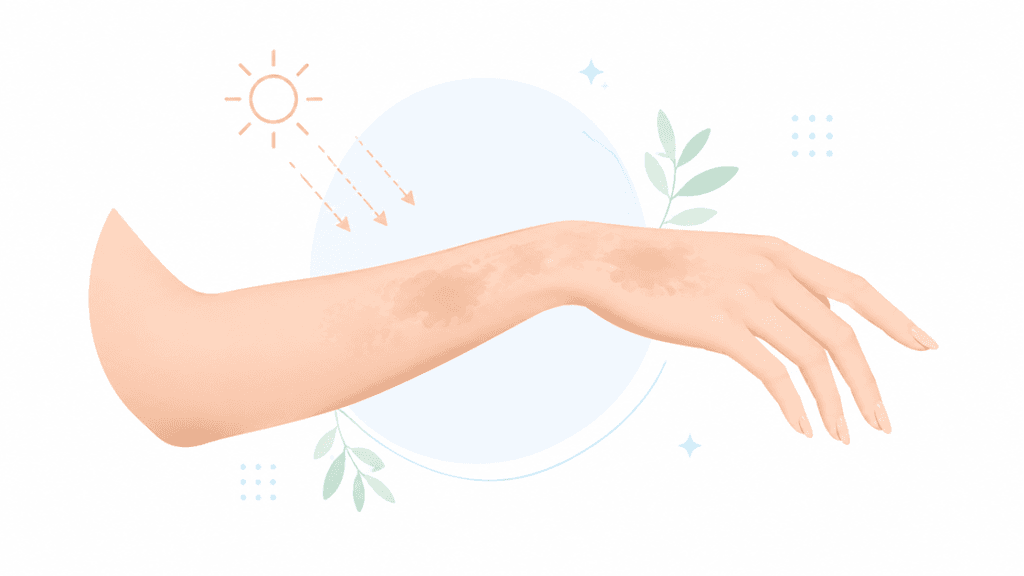
The skin on the hands and arms often receives repeated ultraviolet exposure during everyday activities, including outdoor work, travel, driving, and recreational activities. Over time, this exposure may contribute to changes in melanin production, resulting in areas that appear darker or less even compared with surrounding skin.
Unlike temporary skin concerns, pigmentation changes on the hands and arms can become a long-term cosmetic concern because these areas are frequently visible. Many people focus on facial skincare while neglecting their hands and arms, creating a noticeable difference between facial appearance and other exposed body areas.
For aesthetic professionals, treating visible pigmentation on the hands and arms requires careful consideration of skin type, pigment depth, and individual beauty goals. Laser-based skin rejuvenation technologies provide another approach for supporting a more balanced-looking skin tone.
1.2 The Growing Interest in Hand Rejuvenation Treatments
Facial rejuvenation has traditionally been the main focus of aesthetic care, but hand rejuvenation has gained increasing attention as people look for more comprehensive appearance management.
Hands often reveal signs of aging because they have less natural volume than some other body areas and experience frequent external exposure. Visible concerns may include uneven pigmentation, sun spots, and changes in skin texture.
Modern aesthetic practices now include hand and arm treatments as part of complete skin rejuvenation programs. By focusing on areas beyond the face, professionals can help clients maintain a more consistent overall appearance.
1.3 The Role of Laser Technology in Pigmentation Management
Laser pigmentation treatments work by delivering controlled light energy that interacts with pigment particles in targeted areas. Picosecond laser systems use extremely short pulse durations, allowing energy to be delivered quickly and precisely.
The dual wavelength design provides flexibility because different wavelengths interact with pigmentation at different levels. A 532nm wavelength is often used for more superficial pigment concerns, while a 1064nm wavelength offers deeper penetration for certain pigmentation conditions.
This targeted approach allows aesthetic providers to adjust treatment strategies according to each client’s skin characteristics and pigmentation concerns.
2. How Pico Laser Technology Supports Hand and Arm Skin Appearance
Understanding the technology behind pigmentation-focused laser treatments helps explain why picosecond systems have become an important option in modern aesthetic care.
2.1 The Precision of Picosecond Laser Energy
Picosecond lasers deliver energy in extremely short pulses measured in trillionths of a second. This rapid energy release creates a precise interaction with pigment particles while limiting unnecessary heat accumulation in surrounding areas.
For hand and arm pigmentation concerns, precision is especially important because these areas may have different skin characteristics compared with the face. Controlled energy delivery allows professionals to focus on specific pigment concerns while supporting the surrounding skin.
The goal of this technology is not simply surface-level improvement but creating a more balanced approach to pigmentation management and overall skin rejuvenation.
2.2 Understanding 532nm and 1064nm Wavelength Applications
Dual wavelength technology provides aesthetic professionals with more flexibility when addressing different types of pigmentation concerns.
The 532nm wavelength is commonly selected for superficial pigmentation because melanin absorbs this wavelength effectively. It may be considered when focusing on concerns such as freckles, sun spots, and uneven surface pigmentation.
The 1064nm wavelength penetrates deeper into the skin and is often used when professionals need to address deeper pigment-related concerns. Its longer wavelength allows energy to reach deeper skin layers while maintaining controlled application.
By combining two wavelength options, advanced laser systems can support customized approaches based on the appearance, location, and depth of pigmentation.
2.3 Supporting Skin Rejuvenation Beyond Pigmentation
Although pigmentation is a major reason people explore laser treatments, modern picosecond technology is also associated with broader skin rejuvenation applications.
Laser energy may stimulate natural skin responses related to collagen activity, which plays an important role in maintaining skin structure and texture. As a result, some aesthetic programs combine pigmentation management with overall skin quality improvement.
For hands and arms, this broader approach can be valuable because clients often want more than reduced pigmentation appearance. They may also seek smoother-looking skin and a healthier overall complexion.
3. Common Reasons People Explore Hand and Arm Laser Rejuvenation
Different lifestyles can influence how quickly visible pigmentation changes appear. Understanding common situations helps explain why hand and arm rejuvenation has become a growing area of interest.
3.1 Outdoor Lifestyle and Frequent Sun Exposure
People who spend significant time outdoors often pay closer attention to visible changes in exposed skin areas. Activities such as gardening, hiking, cycling, and outdoor sports may increase interest in maintaining balanced-looking skin.
Hands and arms are difficult to fully protect during everyday activities because they are constantly used and exposed. Over time, uneven pigmentation may become more noticeable, leading some individuals to explore professional aesthetic solutions.
Laser pigmentation management can become part of a broader skincare strategy that includes sun protection and daily skin maintenance.
3.2 Professional Appearance and Visible Skin Areas
For many professionals, hands and arms are important parts of daily communication. Individuals working in customer-facing roles, beauty industries, healthcare environments, or creative fields may pay attention to visible skin quality.
While skincare preferences vary from person to person, maintaining an even-looking complexion can become part of personal grooming routines.
Laser rejuvenation technology provides an option for individuals who want to include exposed body areas in their overall aesthetic care plan.
3.3 Aging Skin and Long-Term Appearance Management
As skin ages, changes in pigmentation and texture may become more noticeable. Many people begin expanding their skincare routines beyond facial care and include areas such as hands, arms, neck, and décolletage.
Aesthetic technologies that focus on pigmentation and skin rejuvenation allow professionals to create broader appearance management plans.
The focus is not only on individual imperfections but also on supporting healthier-looking skin as part of long-term beauty maintenance.
4. Creating a Complete Hand and Arm Rejuvenation Strategy With Pico Laser Technology
Hand and arm rejuvenation requires a comprehensive understanding of pigmentation, skin aging, and individual aesthetic goals. While laser technology can address visible pigmentation concerns, a complete approach also considers daily skincare habits, environmental exposure, and long-term skin maintenance.
4.1 Combining Pigmentation Care With Long-Term Skin Maintenance
Laser pigmentation management is often considered one part of a broader skin wellness routine. Hands and arms continue to experience sunlight exposure after aesthetic procedures, which makes ongoing skin protection an important aspect of maintaining a more balanced-looking appearance.
A professional skincare plan may include regular sun protection, suitable skincare products, and scheduled skin evaluations. These habits work together with aesthetic technologies to support long-term skin quality.
For individuals concerned about sun spots on their hands and arms, the goal is not only focusing on existing pigmentation but also understanding the factors that influence future skin appearance.
4.2 Why Customized Laser Settings Matter for Different Skin Concerns
Every person’s skin has unique characteristics, including skin tone, pigment depth, sensitivity, and previous skincare history. Because of these differences, aesthetic professionals usually evaluate each area before selecting appropriate laser parameters.
Picosecond laser systems with adjustable energy settings and dual wavelengths provide more flexibility when creating personalized treatment approaches. The combination of 532nm and 1064nm wavelengths allows professionals to consider both superficial and deeper pigment-related concerns.
This customized approach is especially important for hands and arms because these areas may show different responses compared with facial skin. Proper assessment helps create a more suitable aesthetic plan based on individual needs.
4.3 The Importance of Professional Assessment Before Laser Rejuvenation
Before exploring any laser-based cosmetic procedure, professional skin assessment plays an important role. Different types of pigmentation can have different characteristics, and not every dark spot has the same cause.
A qualified aesthetic professional can evaluate factors such as:
- skin type
- pigmentation appearance
- treatment area condition
- personal skincare history
This evaluation helps determine whether laser rejuvenation is an appropriate option and which wavelength approach may better match the individual situation.
5. The Future of Pico Laser Technology in Hand and Arm Skin Care
As consumers become more interested in complete appearance management, skincare is expanding beyond traditional facial treatments. Hands and arms are receiving more attention because they are visible areas that can influence overall appearance.
5.1 Expanding Aesthetic Care Beyond Facial Treatments
For many years, facial rejuvenation dominated the aesthetic industry. However, modern consumers increasingly seek balanced care for multiple visible areas, including hands, arms, neck, and other exposed skin regions.
Pico laser technology provides aesthetic professionals with another tool for addressing pigmentation concerns outside traditional facial applications. The ability to use different wavelengths allows providers to create treatment plans that consider the unique characteristics of different areas.
Research involving picosecond laser systems using 532nm and 1064nm wavelengths has explored their role in pigmentation improvement and skin rejuvenation applications, showing the growing interest in this technology within aesthetic medicine.
5.2 How Advanced Laser Technology Supports Modern Beauty Trends
Modern beauty trends increasingly focus on natural-looking skin quality rather than temporary cosmetic coverage. Consumers are paying more attention to maintaining even-looking skin tone, smoother texture, and healthier overall appearance.
Advanced laser systems support this trend by offering targeted approaches for specific concerns. Instead of applying the same method to every individual, professionals can adjust treatment strategies based on skin condition and aesthetic objectives.
For people concerned about visible sun spots on their hands and arms, picosecond laser technology represents one option within a broader approach to skin appearance management.
5.3 Understanding Realistic Expectations From Laser Skin Rejuvenation
Laser rejuvenation is not a replacement for daily skincare habits. The appearance of pigmentation can be influenced by many factors, including sun exposure, genetics, aging, and lifestyle choices.
Understanding realistic expectations helps individuals make informed decisions. The purpose of laser technology is to support skin appearance improvement through controlled energy application while working together with professional guidance and consistent skincare practices.
FAQ
Why do sun spots commonly appear on hands and arms?
Hands and arms receive frequent ultraviolet exposure from daily activities, which may contribute to visible pigmentation changes over time.
What is a Pico laser used for in pigmentation care?
Pico laser technology uses ultra-short energy pulses to target pigment-related concerns and support skin rejuvenation applications.
Why are 532nm and 1064nm wavelengths used together?
These two wavelengths allow professionals to consider different pigment depths and create more customized approaches for skin concerns.
Can hand and arm rejuvenation be part of a skincare routine?
Yes. Many people include hand and arm care as part of a broader aesthetic maintenance plan along with daily skincare and sun protection.
Is Pico laser only used for facial treatments?
No. While facial applications are common, laser rejuvenation technology can also be considered for visible areas such as hands and arms.
Conclusion
Hands and arms play an important role in overall appearance, yet they are often overlooked in traditional skincare routines. Visible sun spots and uneven pigmentation caused by long-term environmental exposure may encourage individuals to explore advanced aesthetic options. Pico laser technology with 532nm and 1064nm wavelengths provides a precise approach for pigmentation management and skin rejuvenation applications. By combining professional assessment, customized laser settings, and consistent skincare habits, individuals can create a more complete approach to maintaining healthy-looking skin on both facial and body areas.
References
Study of a 532/1064 Fractional Picosecond Laser for Facial Rejuvenation
https://pubmed.ncbi.nlm.nih.gov/34608097
An Update on Fractional Picosecond Laser Treatment: Histology and Clinical Applications
https://pmc.ncbi.nlm.nih.gov/articles/PMC9852188
Nanosecond Q-Switched 1064/532 nm Laser to Treat Hyperpigmentations: A Double Center Retrospective Study
https://pmc.ncbi.nlm.nih.gov/articles/PMC8544362
Energy-Based Devices for the Treatment of Facial Skin Conditions in Skin of Color
https://pmc.ncbi.nlm.nih.gov/articles/PMC11189641
Prospective, Randomized, Evaluator-Blinded Study of the Long Pulse 532-nm KTP Laser Alone or in Combination With the Long Pulse 1064-nm Nd:YAG Laser on Facial Rejuvenation