はじめに
Competitive and recreational swimmers often deal with a unique combination of skin challenges caused by frequent exposure to chlorinated water and repetitive hair removal practices. These conditions can lead to skin dryness, irritation, and sensitivity, especially when traditional shaving methods are used repeatedly. Laser hair removal has become a widely discussed long-term grooming approach that reduces reliance on shaving and waxing while supporting smoother skin maintenance. In modern aesthetic care systems, advanced laser technology—similar to those used in professional medical aesthetic platforms—offers targeted hair reduction designed to improve comfort for individuals with sensitive, chlorine-exposed skin.
1. Understanding Skin Sensitivity in Swimmers
1.1 Chlorine Exposure and Skin Barrier Stress
Swimming pools contain disinfecting agents such as chlorine, which help maintain water hygiene but can also interact with the skin’s natural protective barrier. Frequent exposure may lead to dryness, tightness, and increased sensitivity, particularly in areas where the skin is already stressed by friction or hair removal.
1.2 Repeated Shaving and Micro-Irritation
Many swimmers rely on shaving to manage body hair for performance or comfort. However, repeated shaving can cause micro-cuts, razor bumps, and ingrown hairs. When combined with chlorine exposure, these effects may become more noticeable and contribute to ongoing skin discomfort.
1.3 Sensitive Skin Response in Athletic Environments
Athletic skin is often exposed to a cycle of sweating, rinsing, and chemical contact. This repetitive cycle can weaken the skin’s resilience over time, making it more reactive to external grooming practices such as waxing or shaving.
2. How Laser Hair Removal Supports Swimmer Skin Care
2.1 Targeted Hair Follicle Energy Delivery
Laser hair removal works by directing controlled light energy into hair follicles, where it is absorbed by pigment structures. This process helps reduce the activity of hair growth over time, offering a structured approach to long-term hair reduction.
2.2 Reducing Dependence on Mechanical Hair Removal
By reducing the need for frequent shaving or waxing, laser removal helps minimize repetitive surface-level irritation. For swimmers, this means fewer skin disruptions before and after pool exposure.
2.3 Supporting Smoother Skin Maintenance Cycles
With reduced hair regrowth cycles, swimmers can experience a more consistent skin surface. This supports easier skincare routines and reduces the friction-related discomfort that often occurs during training sessions.
3. Skin Physiology and Hair Removal in Chlorine Environments
3.1 Barrier Function and Moisture Retention
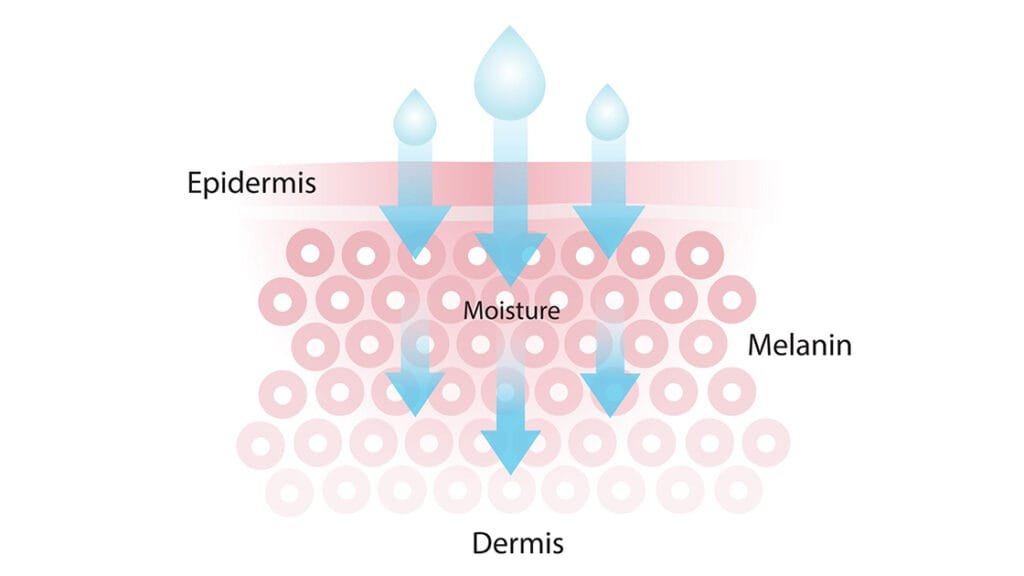
The skin barrier plays a key role in retaining moisture and protecting against external irritants. Chlorinated water may temporarily disrupt this barrier, making hydration and gentle skin care particularly important for swimmers.
3.2 Follicular Sensitivity and Irritation Patterns
Hair follicles in frequently shaved areas can become more reactive over time. This may result in redness or sensitivity, especially when combined with environmental exposure such as pool chemicals.
3.3 Interaction Between Hair Density and Skin Friction
Dense or coarse hair can increase friction against swimwear and equipment. Over time, this friction may contribute to localized irritation, particularly in high-movement areas such as legs, underarms, and bikini line.
4. Laser Hair Removal Technology in Modern Aesthetic Systems
4.1 Controlled Light-Based Hair Reduction
Modern aesthetic laser systems use carefully controlled wavelengths to target hair follicles while minimizing impact on surrounding tissue. This allows for a precise and non-invasive approach to hair reduction.
4.2 Integration of Cooling and Skin Comfort Mechanisms
Many advanced systems integrate cooling technologies or skin-contact optimization features to enhance comfort during treatment. These elements are especially relevant for individuals with chlorine-sensitive or reactive skin types.
4.3 Suitability for Active Lifestyle Maintenance
Laser removal is increasingly used by individuals with active lifestyles because it aligns with long-term grooming needs without requiring frequent intervention. For swimmers, this supports consistency in both appearance and skin comfort.
5. Laser Hair Removal in Swimming Lifestyle Management
5.1 Performance-Oriented Grooming Preferences
In swimming environments, smooth skin is often associated with reduced drag and improved comfort. While performance needs vary, many swimmers adopt long-term hair reduction strategies as part of their routine care.
5.2 Reducing Skin Stress from Repetitive Grooming
By minimizing the need for daily or weekly shaving, laser-based approaches help reduce cumulative skin stress. This is particularly beneficial during training cycles that involve frequent pool exposure.
5.3 Long-Term Skin Maintenance Strategy
Laser removal is often viewed as part of a broader skin maintenance strategy rather than a short-term solution. When integrated with proper hydration and post-swim care, it supports a more stable and comfortable skin condition over time.
FAQ
Why do swimmers experience skin irritation more easily?
Because chlorine exposure combined with frequent shaving can weaken the skin barrier and increase sensitivity.
How does laser removal help swimmers?
It reduces hair regrowth over time, minimizing the need for shaving and lowering irritation risk.
Is laser hair removal suitable for sensitive skin?
Yes, it is commonly used for individuals with sensitive skin when performed with appropriate settings.
Which body areas do swimmers usually treat?
Common areas include legs, underarms, and bikini line where friction and shaving are frequent.
Does laser removal affect athletic performance?
It does not directly affect performance but may support comfort and skin smoothness.
結論
Swimmers with chlorine-sensitive skin often face a combination of environmental and grooming-related challenges that affect skin comfort and maintenance routines. Laser hair removal offers a structured, light-based approach to long-term hair reduction that can help minimize repetitive irritation caused by shaving and environmental exposure. When integrated into a consistent skincare strategy, it supports smoother skin management for individuals with active swimming lifestyles while aligning with modern aesthetic technology standards.
References
American Academy of Dermatology Association – Laser Hair Removal
https://www.aad.org/public/cosmetic/hair-removal/laser-hair-removal-faqs
American Society for Dermatologic Surgery – Laser Hair Removal
MedlinePlus – Hair Removal
https://medlineplus.gov/hairremoval.html
DermNet NZ – Laser Hair Removal
https://dermnetnz.org/topics/laser-hair-removal
Cleveland Clinic – Laser Hair Removal
https://my.clevelandclinic.org/health/treatments/21757-laser-hair-removal