はじめに
Night shift work often disrupts the body’s natural circadian rhythm, which can significantly affect skin appearance and overall complexion quality. Over time, irregular sleep patterns, prolonged exposure to artificial lighting, and stress-related fatigue may contribute to dull skin tone, uneven texture, and reduced skin radiance. In modern aesthetic dermatology, laser-based skin rejuvenation technologies are increasingly used as non-invasive solutions to support skin renewal processes. These systems use controlled light energy to interact with targeted skin layers, helping to improve overall skin quality and restore a more balanced, refreshed appearance over time.
1. How Night Shift Work Affects Skin Health and Appearance
1.1 Circadian Disruption and Skin Regeneration
The skin follows a natural repair cycle that is closely linked to the body’s internal biological clock. When sleep patterns are frequently disrupted due to night shifts, the skin’s natural regeneration process may become less efficient. This can result in slower cell turnover and a more fatigued appearance.
1.2 Laser Skin Rejuvenation for Fatigued Skin Tone and Texture Changes
Chronic tiredness often reflects directly on the skin surface. Individuals working overnight shifts commonly experience reduced skin luminosity, uneven tone, and a lack of freshness in facial appearance. These changes are typically gradual and cumulative rather than sudden.
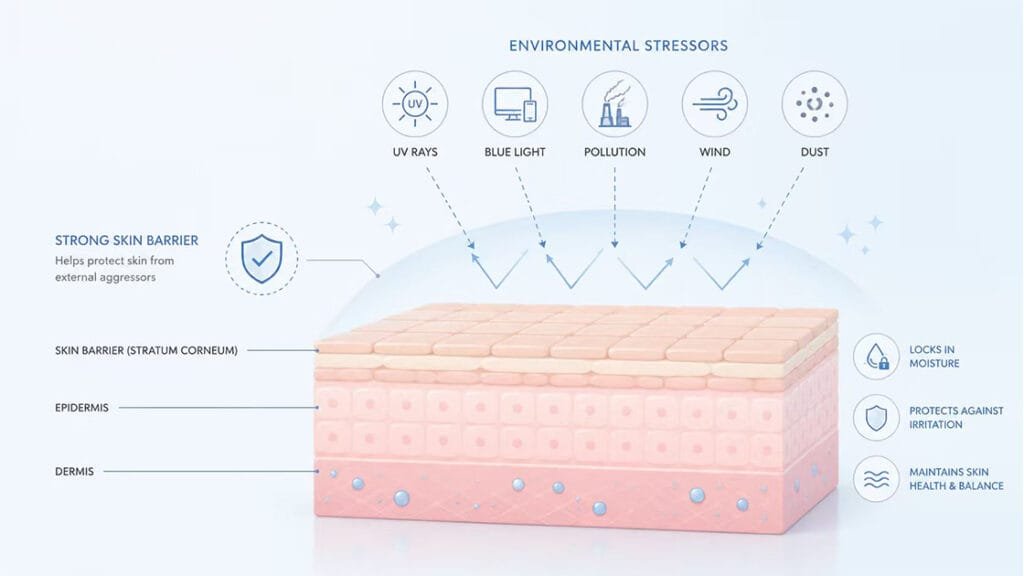
1.3 Environmental Stressors and Skin Barrier Weakness
In addition to sleep disruption, night shift workers are often exposed to artificial lighting and indoor environments for extended periods. This combination may contribute to skin barrier stress, making the skin appear more sensitive, dehydrated, and less resilient over time.
2. How Laser Skin Rejuvenation Supports Dull and Fatigued Skin
2.1 Controlled Light Energy and Skin Interaction
Laser skin rejuvenation systems use targeted light energy to interact with different layers of the skin. This process is based on selective photothermal and photobiomodulation principles, designed to stimulate natural skin renewal mechanisms without invasive procedures.
2.2 Supporting Skin Tone and Texture Improvement
By delivering controlled energy to superficial and deeper skin structures, laser technology is commonly used to support improvements in skin tone consistency and texture refinement. This makes it particularly relevant for individuals experiencing fatigue-related dullness.
2.3 Enhancing Overall Skin Radiance
One of the key goals of laser-based aesthetic care is to support a more radiant and balanced skin appearance. This is especially important for night shift workers whose skin often appears visually tired due to lifestyle-related stress factors.
3. Skin Physiology and Fatigue-Induced Changes
3.1 Skin Cell Turnover and Laser Skin Rejuvenation Influence
When sleep cycles are disrupted, the skin’s natural renewal rhythm may slow down. This can lead to accumulation of dead skin cells on the surface, contributing to a dull and uneven complexion.
3.2 Microcirculation Support in Laser Skin Rejuvenation Treatments
Skin vitality is closely linked to microcirculation and oxygen delivery. Fatigue and stress may affect these processes, resulting in reduced skin glow and a more tired facial expression.
3.3 Moisture Retention and Laser-Based Skin Recovery Processes
Long-term fatigue can also impact the skin’s ability to retain moisture effectively. As a result, skin may feel drier and appear less plump or smooth.
4. Laser-Based Aesthetic Care in Modern Skin Rejuvenation
4.1 Non-Invasive Approach to Skin Improvement
Laser skin rejuvenation is widely used in aesthetic practice as a non-invasive option that does not require surgical intervention. It focuses on supporting natural skin behavior through controlled energy delivery.
4.2 Multi-Layer Skin Targeting in Laser Rejuvenation Systems
Advanced laser systems are designed to interact with different skin layers depending on the selected wavelength and energy parameters. This allows for a more comprehensive approach to addressing surface texture and deeper dermal concerns.
4.3 Laser Skin Rejuvenation for Facial Dullness and Fatigue Areas
In aesthetic settings, treatment areas often include the cheeks, forehead, and periorbital region, where signs of fatigue such as dullness and fine texture irregularities are most visible.
5. Laser Skin Rejuvenation Technology in Night Shift Skin Management
5.1 Night Shift Skin Fatigue and Laser Skin Rejuvenation Solutions
Night shift workers, including healthcare staff, security personnel, and service industry professionals, often experience visible skin fatigue due to irregular rest cycles and environmental stress exposure. These conditions make them common candidates for non-invasive skin rejuvenation approaches.
5.2 Role of Advanced Aesthetic Laser Systems
Modern aesthetic laser platforms, such as those described in advanced dermatology and skin care technologies like those found in professional laser systems, utilize precise energy delivery mechanisms to support skin renewal processes. These systems are designed to be adaptable for different skin types and fatigue-related concerns.
5.3 Supporting Long-Term Skin Quality Maintenance
Rather than focusing on immediate transformation, laser skin rejuvenation is typically used as part of a long-term skin maintenance strategy. Consistent support of skin texture, tone, and hydration balance contributes to a healthier and more refreshed appearance over time.
FAQ
Why does night shift work affect skin appearance?
Because it disrupts sleep cycles and the body’s natural skin regeneration process, leading to dullness and fatigue.
Can laser skin rejuvenation improve tired-looking skin?
It may support improvements in skin texture and radiance by stimulating natural skin renewal processes.
Is laser skin rejuvenation invasive?
No, it is a non-invasive aesthetic procedure that uses controlled light energy.
Which areas of the face show fatigue first?
Common areas include the under-eye region, cheeks, and forehead.
Is this suitable for all skin types?
Many laser systems are designed to be adaptable, but suitability depends on individual skin conditions.
結論
Night shift work can significantly influence skin vitality due to disrupted biological rhythms and ongoing environmental stress. Laser skin rejuvenation offers a non-invasive aesthetic approach that uses controlled light energy to support skin renewal processes and improve overall complexion quality. When integrated into a consistent skincare strategy, it may help individuals with fatigue-related skin concerns maintain a more balanced, refreshed, and radiant appearance over time.
References
American Academy of Dermatology – Skin Care and Sleep Deprivation
https://www.aad.org/public/everyday-care/skin-care-basics/dry/sleep-skin-health
Harvard Medical School – Sleep and Skin Health Connection
https://www.health.harvard.edu/staying-healthy/how-sleep-affects-your-skin
National Institutes of Health – Photobiomodulation and Skin Tissue Response
https://www.ncbi.nlm.nih.gov/pmc/articles/PMC5523874/
Cleveland Clinic – Dull Skin Causes and Treatment Overview
https://my.clevelandclinic.org/health/symptoms/23115-dull-skin
Journal of Clinical and Aesthetic Dermatology – Laser Skin Rejuvenation Applications
https://jcadonline.com/laser-skin-rejuvenation-review/