はじめに
College is often one of the most formative times in a young person’s life, filled with academic challenges, social milestones, and major life transitions. For many students, acne and resulting scars introduce an added layer of stress that affects confidence and self‑esteem. Even after acne has cleared, lingering marks and texture irregularities can act as daily reminders of past breakouts.
With graduation approaching, students often look for effective and safe cosmetic options to achieve smoother, clearer skin. Among the most advanced and scientifically supported treatments are laser therapies. These procedures utilize focused light energy to treat scar tissue, stimulate collagen production, and improve overall skin texture without invasive surgery. This article explores how laser treatments work, their benefits for acne scar reduction, and practical tips for students seeking a clearer complexion before graduation.
1. Understanding Acne Scars in College Students
1.1 Types of Acne Scars (Ice Pick, Boxcar, Rolling)
Acne scars are categorized based on their appearance and depth. Ice pick scars are narrow, deep depressions that resemble small puncture wounds. Boxcar scars have sharper edges and wider depressions, making them more noticeable on the skin surface. Rolling scars result from fibrous bands of tissue pulling the skin down, creating wave‑like undulations. Each scar type reflects a different pattern of collagen breakdown and tissue loss after inflammatory acne heals poorly.
Understanding scar type is crucial for determining the most appropriate laser treatment, because certain technologies work better on specific textures. For example, deep atrophic scars often respond best to ablative lasers that resurface the skin at multiple levels. Identifying scar morphology helps clinicians tailor treatments for optimal improvement.
1.2 How Acne Scars Affect Confidence and Daily Life
For college students, acne scars often have psychological and social implications. Visible scars can lead to reduced self‑confidence, reluctance to engage in social events, and heightened concern about appearance in selfies, interviews, and graduation photos. Research has shown that facial scarring can impact quality of life similarly to other chronic dermatological conditions because it affects interpersonal perception and self‑image.
This emotional burden explains why many students seek cosmetic interventions like laser treatments during critical life moments, such as graduation. Laser therapies not only improve texture and tone but also contribute to psychological well‑being by restoring a sense of youthful, clear skin.
2. How Laser Treatments Work
2.1 The Science Behind Laser Therapy for Skin Rejuvenation
Laser therapy for acne scars relies on delivering targeted light energy into the skin to stimulate collagen remodeling and promote tissue regeneration. When laser pulses penetrate scarred skin, they create controlled micro‑injuries that activate the body’s natural healing processes. Fibroblasts—cells responsible for collagen synthesis—are stimulated to produce new collagen and elastin, the structural proteins that give skin firmness and elasticity.
Over time, this remodeling leads to smoother skin surface and softer scar contours. The depth and type of laser determine how much energy reaches scar tissue; deeper penetration is often needed for more pronounced scars. This approach contrasts with topical skincare, which primarily affects superficial layers and is generally insufficient for deeper texture irregularities.
2.2 Different Types of Laser Treatments (Fractional, Pico, CO₂)
There are multiple laser modalities used in acne scar therapy. Fractional lasers, such as fractional CO₂, deliver tiny columns of laser energy into the dermis, leaving surrounding tissue intact to accelerate healing. These are considered gold‑standard for complex scars due to their ablative and resurfacing action. Picosecond lasers (Pico) use ultra‑short pulses to mechanically break down scar tissue and stimulate collagen without removing the outer skin layer, resulting in shorter downtime and reduced heat damage. CO₂ lasers, especially fractional CO₂, are ablative and extremely effective for deep scars because they vaporize damaged tissue and trigger potent collagen response.
Each modality has strengths: fractional CO₂ is powerful for deep texture change, Pico lasers excel in pigment and mild scar treatment, and non‑ablative lasers offer minimal downtime with gradual improvement.
2.3 Expected Results and Timeline
The timeline for visible improvement varies by laser type and scar severity. Ablative lasers often show significant improvement after a single session but may require 5–7 days of downtime where redness, peeling, and swelling occur. Non‑ablative and Pico lasers generally have minimal downtime, with noticeable texture and tone improvements over several sessions spaced weeks apart.
Most clinical studies reveal gradual improvement in scar depth and appearance over 2–3 months as new collagen forms and remodeled tissue replaces damaged areas. Multiple sessions are often recommended for maximal effect, especially for mixed or deep scars.
3. Benefits of Laser Treatments for College Students
3.1 Improve Skin Texture and Tone
Acne scars often leave the skin uneven, with pitted or wavy texture that light makeup cannot conceal. Laser treatments specifically target these irregularities by resurfacing the skin and promoting new tissue formation. For example, fractional laser therapy creates controlled thermal zones that prompt skin turnover, encouraging smoother surface layers to replace scarred tissue. As the collagen matrix rebuilds, scar depressions become less noticeable and skin tone appears more uniform.
Improved texture can also make makeup application more effective, enhancing the overall cosmetic outcome. This structural change is different from surface‑level treatments like peels or scrubs, which rarely reach the dermal depth necessary for meaningful scar remodeling.
3.2 Reduce Redness and Hyperpigmentation
Acne scars are often accompanied by post‑inflammatory hyperpigmentation (PIH)—dark marks left after acne heals. Picosecond lasers are particularly effective in breaking down melanin pigment while minimizing heat damage, reducing pigmentation without harming surrounding tissue. This is especially valuable for students with medium to darker skin tones, who are more prone to PIH. By targeting both scar texture and pigmentation, laser therapy provides a more comprehensive improvement in facial appearance than treatments that focus on a single issue.
3.3 Boost Confidence and Social Life
Beyond physical improvement, clearer skin often leads to enhanced self‑esteem. For college students, this emotional boost can translate into increased participation in social events, career opportunities, and positive mental health. Feeling confident about one’s appearance is especially relevant at milestones such as graduation, interviews, and commencement celebrations where photos and networking are frequent.
By addressing both the visual and psychological aspects of acne scarring, laser treatments offer holistic benefits that extend beyond aesthetics.
4. Practical Considerations
4.1 Choosing the Right Treatment for Your Skin Type
Selecting the appropriate laser modality should involve consultation with a board‑certified dermatologist or cosmetic laser specialist. Factors such as scar type, skin tone, and downtime tolerance influence treatment choice. For deeper acne scars, ablative fractional CO₂ may offer the most dramatic improvement; however, it comes with longer recovery. Pico lasers provide a gentler approach and are often preferred by patients seeking minimal interruption to daily routines.
Choosing the right device can also reduce the risk of adverse effects such as post‑inflammatory hyperpigmentation or prolonged redness. Providers often tailor protocols by adjusting energy settings and treatment intervals to suit individual patient needs.
4.2 Pre‑Treatment and Post‑Treatment Care
Preparation before laser therapy typically includes avoiding sun exposure and certain topical agents that can increase photosensitivity. Post‑treatment care is equally important; patients are usually advised to apply gentle moisturizers, use broad‑spectrum sunscreen, and avoid strenuous activity for several days.
Following these steps helps protect healing skin, minimize irritation, and maximize the longevity of results. Providers may also recommend specific serums or barrier creams to support recovery.
4.3 Safety and Possible Side Effects
Laser treatments are generally safe when performed by trained professionals, but they are not without potential side effects. Common, temporary reactions include redness, swelling, and sensitivity. More pronounced adverse effects such as prolonged hyperpigmentation or delayed healing are less common but may occur, particularly in individuals with darker skin tones or when aftercare instructions are not followed.
Discussing your medical history, skin type, and expectations with a qualified provider can reduce risks and align treatment with realistic outcomes.
5. Cost and Accessibility
5.1 Typical Cost Ranges for College Students
The cost of acne scar laser treatments varies widely based on geography, clinic, and laser type. Fractional CO₂ or advanced picosecond lasers may range from moderate to higher price points per session, often requiring multiple sessions. Many clinics offer package pricing or financing options which can make treatment more accessible for students.
While cosmetic procedures are seldom covered by insurance, many providers offer flexible payment plans or student discounts to support budget‑conscious clients.
5.2 Finding a Reliable Clinic and Qualified Professional
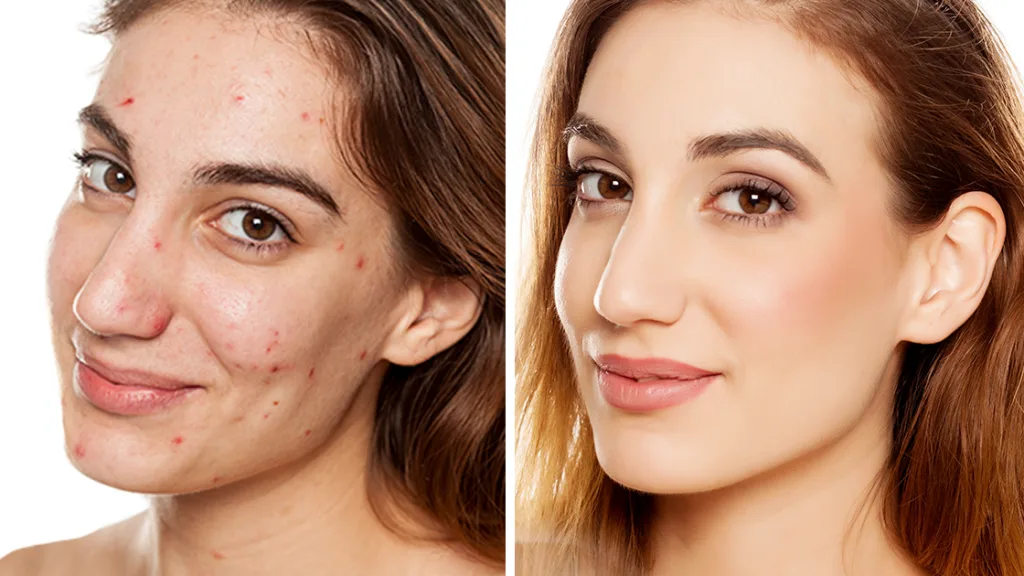
Selecting a reputable clinic with board‑certified providers is crucial for safety and results. Experienced professionals can accurately assess scar type and recommend the most effective laser modality. Reading reviews, verifying certifications, and requesting before‑and‑after photos can help prospective patients make informed decisions.
FAQ
Can laser treatments remove all types of acne scars?
Laser therapy significantly improves many scar types, but no single laser can completely remove every type. Deep atrophic scars often require combined approaches.
通常、何回のセッションが必要ですか?
Most individuals undergo 3–6 sessions spaced several weeks apart; results vary by scar severity and laser type.
治療は痛いですか?
Discomfort varies; ablative lasers typically involve more sensation than non‑ablative or picosecond lasers, but topical numbing reduces pain.
Are there risks for sensitive skin?
Individuals with sensitive or darker skin should consult experienced professionals to minimize risks like pigmentation changes.
Can I return to school activities immediately after treatment?
Recovery times differ: minimal downtime lasers may allow quick return, while deeper resurfacing may require a few days of rest.
結論
Laser treatments offer a scientifically validated pathway to improve acne scars, enhance skin texture, and boost confidence—especially for college students preparing for graduation. By stimulating collagen production, reducing pigmentation, and repainting the skin’s surface, these therapies address both physical and emotional aspects of acne scarring. With proper consultation and care, students can achieve clearer skin and step into their future with confidence.
References
Acne Scars, We Need to Talk… And Pico Laser Has the Last Word – Rheinlaser.
https://www.rheinlasers.com/acne-scars-we-need-to-talk-and-pico-laser-has-the-last-word.html
Fractional Carbon Dioxide Laser in Treatment of Acne Scars – PubMed.
https://pubmed.ncbi.nlm.nih.gov/27275326
Treatment of acne scarring with fractional CO2 laser – PubMed.
https://pubmed.ncbi.nlm.nih.gov/22671310
Laser Acne Scar Treatment – Alma Inc.
https://almainc.com/treatments/acne-scars
Acne Scarring—Pathogenesis, Evaluation, and Treatment Options – PMC.