Introduzione
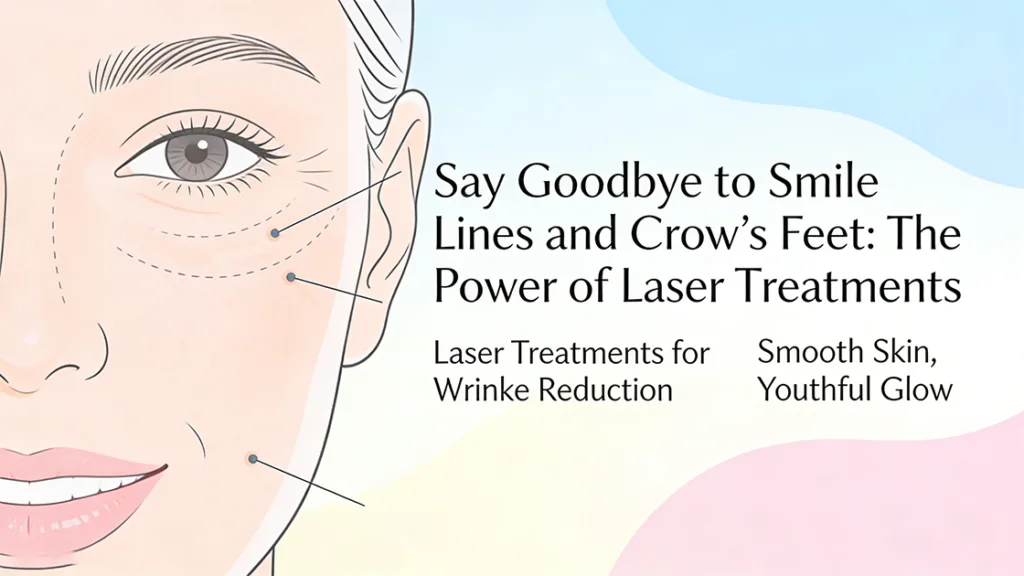
Fine lines around the eyes and mouth, commonly referred to as crow’s feet and smile lines, are some of the earliest visible signs of aging. These subtle wrinkles can affect both facial aesthetics and self-confidence. While topical creams and serums provide temporary improvement, laser treatments offer a scientifically-backed method to rejuvenate the delicate skin in these areas. Using targeted light energy, lasers stimulate collagen production, improve skin elasticity, and refine texture, making the skin appear smoother and more youthful. This article explores the science, benefits, target candidates, and practical considerations of laser therapy for fine lines around the eyes and mouth.
1. Understanding Laser Treatments for Fine Lines
Before considering any cosmetic procedure, understanding how laser therapy works is essential.
1.1 What Laser Therapy Does to Skin
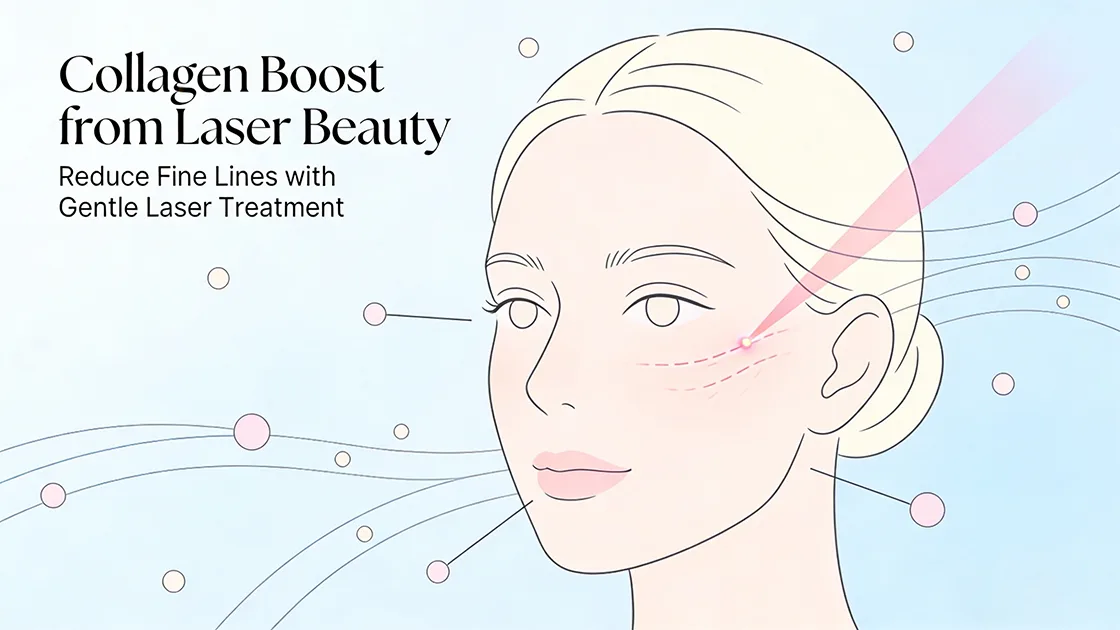
Laser therapy works by delivering concentrated light energy to the skin’s dermal layers. This energy heats targeted tissues, inducing controlled micro-injury that triggers collagen remodeling and elastin synthesis. The result is firmer, smoother skin with reduced appearance of fine lines. Importantly, advanced laser systems can precisely treat delicate regions around the eyes and mouth without damaging surrounding tissue.
1.2 Types of Lasers Used for Periorbital and Perioral Wrinkles
Different laser technologies serve distinct purposes. Fractional CO₂ lasers penetrate deeply for significant collagen stimulation, while non-ablative lasers focus on milder resurfacing with minimal downtime. Some systems combine both approaches for enhanced results. The choice depends on wrinkle depth, skin type, and desired recovery time, allowing customization for each patient.
2. The Science Behind Fine Lines
Fine lines form due to a combination of intrinsic aging, repetitive facial movements, and environmental factors.
2.1 Collagen Degradation and Skin Elasticity
With age, collagen and elastin fibers in the skin gradually break down. Around the eyes and mouth, this leads to loss of elasticity, making dynamic lines from smiling or squinting more noticeable. Laser therapy stimulates fibroblast activity, promoting collagen synthesis that gradually restores structural support to the skin, smoothing the wrinkles over time.
2.2 Environmental and Lifestyle Factors
Ultraviolet (UV) exposure, smoking, and pollution accelerate collagen degradation, particularly in thin skin around the eyes. Lasers not only address existing fine lines but may also help counteract some environmental damage by stimulating skin repair pathways. Consistent sun protection and antioxidant use complement the results of laser therapy.
2.3 Aging Patterns in Different Skin Types
Wrinkle formation varies across skin types and ethnicities. Thicker skin may develop more pronounced nasolabial folds, while thinner skin around the eyes tends to show early crow’s feet. Laser parameters can be adjusted to account for these differences, ensuring safe and effective treatment across diverse populations.
3. Target Candidates for Laser Fine Line Treatments
Not all individuals are ideal candidates, but many can benefit from laser therapy when applied appropriately.
3.1 Adults in Their 30s to 50s
Fine lines typically begin appearing in the 30s, with deeper wrinkles developing by the 40s or 50s. Laser therapy is particularly effective during this window, allowing for preventive and corrective treatment, maintaining a youthful appearance without surgical intervention.
3.2 Individuals Concerned with Early Signs of Aging
Patients noticing early crow’s feet or perioral lines may use laser treatments to enhance skin texture and firmness, reducing the progression of visible wrinkles. Early intervention often yields better outcomes and shorter recovery times.
3.3 Skin Health Considerations
Healthy skin responds more efficiently to laser therapy. Those with chronic skin conditions, active infections, or photosensitive disorders should consult a medical professional before treatment. Proper assessment ensures that laser therapy is safe, effective, and tailored to individual skin characteristics.
4. Integrating Laser Therapy Into a Skincare Routine
Laser treatment results are maximized when combined with appropriate skincare and lifestyle measures.
4.1 Complementary Skincare Products
Topical retinoids, peptides, and hyaluronic acid serums enhance collagen synthesis and skin hydration, complementing the effects of laser therapy. Moisturizers with antioxidants also help reduce oxidative stress, supporting long-term skin health around delicate areas.
4.2 Sun Protection and Recovery
Post-laser care emphasizes broad-spectrum SPF, as UV exposure can counteract collagen remodeling and worsen pigmentation. Consistent sun protection helps maintain treatment results and prevents new wrinkles from forming prematurely.
4.3 Combining with Other Non-Invasive Treatments
Laser therapy can be safely combined with microneedling, light therapy, or PRP (platelet-rich plasma) for synergistic effects. This multimodal approach targets multiple aspects of skin aging, enhancing texture, elasticity, and overall appearance.
5. Expected Results and Timeline
Understanding realistic outcomes and recovery is essential for patient satisfaction.
5.1 Gradual Improvement Over Weeks
Collagen remodeling is a natural biological process. Most patients notice initial skin smoothing within 2–4 weeks, with continued improvement over 3–6 months as new collagen strengthens the dermal matrix.
5.2 Longevity of Results
Results can last 1–2 years depending on individual skin type, lifestyle habits, and ongoing skincare. Maintenance sessions may be recommended to sustain improvements and address new fine lines.
5.3 Minimal Downtime and Safety
Modern laser systems prioritize precision and safety, minimizing redness, swelling, or temporary irritation. Non-ablative lasers typically allow same-day return to normal activities, while fractional CO₂ lasers may require a few days for optimal recovery.
FAQ
Q1: Is laser therapy painful for fine lines around the eyes and mouth?
Most patients report mild discomfort, often described as a warming or tingling sensation. Topical anesthetics can be applied for sensitive areas.
Q2: How many sessions are typically needed?
It depends on wrinkle depth and skin condition, but many patients see noticeable improvement after 2–4 sessions spaced several weeks apart.
Q3: Can anyone get this treatment?
While suitable for most adults, those with photosensitive disorders, active skin infections, or certain medical conditions should consult a dermatologist first.
Q4: Are results permanent?
Laser therapy stimulates collagen, offering long-lasting improvement, but natural aging continues. Maintenance treatments help sustain results.
Conclusione
Laser treatments for fine lines around the eyes and mouth offer a scientifically supported, non-surgical solution for rejuvenating delicate facial areas. By stimulating collagen production, improving skin elasticity, and refining texture, lasers help reduce the appearance of smile lines and crow’s feet while enhancing overall skin health. Combined with proper skincare, sun protection, and lifestyle measures, this approach provides safe, effective, and long-lasting aesthetic improvement, empowering individuals to maintain a youthful, confident appearance.
References
Rhein Lasers – Treatments Overview
https://www.rheinlasers.com/treatments
Manuskiatti W, Fitzpatrick RE. Treatment of periorbital wrinkles with fractional CO₂ laser. Dermatol Surg. 2008;34(5):690–697.
https://pubmed.ncbi.nlm.nih.gov/18427203
Gold MH, et al. Laser therapy for facial wrinkles: A review of current evidence. J Clin Aesthet Dermatol. 2017;10(9):36–44.
https://www.ncbi.nlm.nih.gov/pmc/articles/PMC5629838
Alexiades-Armenakas MR. Laser resurfacing and rejuvenation: Science and clinical applications. Semin Cutan Med Surg. 2008;27(4):195–205.
https://pubmed.ncbi.nlm.nih.gov/19043602
Trelles MA, et al. Fractional CO₂ laser for perioral and periorbital rejuvenation. Lasers Med Sci. 2010;25(2):251–258.