Introduzione
Running supports cardiovascular health, endurance, and mental well-being, but adult runners may still struggle with acne scars, uneven skin texture, and lingering post-acne marks. Sweat, friction from athletic equipment, and frequent outdoor sun exposure can make skincare more challenging, particularly for people who train several times a week. For those exploring laser treatment for acne scars, understanding the difference between structural scarring and flat discoloration is an important first step. Modern picosecond laser technology, including dual-wavelength systems operating at 532 nm and 1064 nm, may offer options for addressing selected pigmentation concerns and certain acne scars when treatment is appropriately planned.
1. Why Adult Runners May Struggle With Post-Acne Skin Concerns
1.1 Sweat, Friction, and Recurrent Breakouts
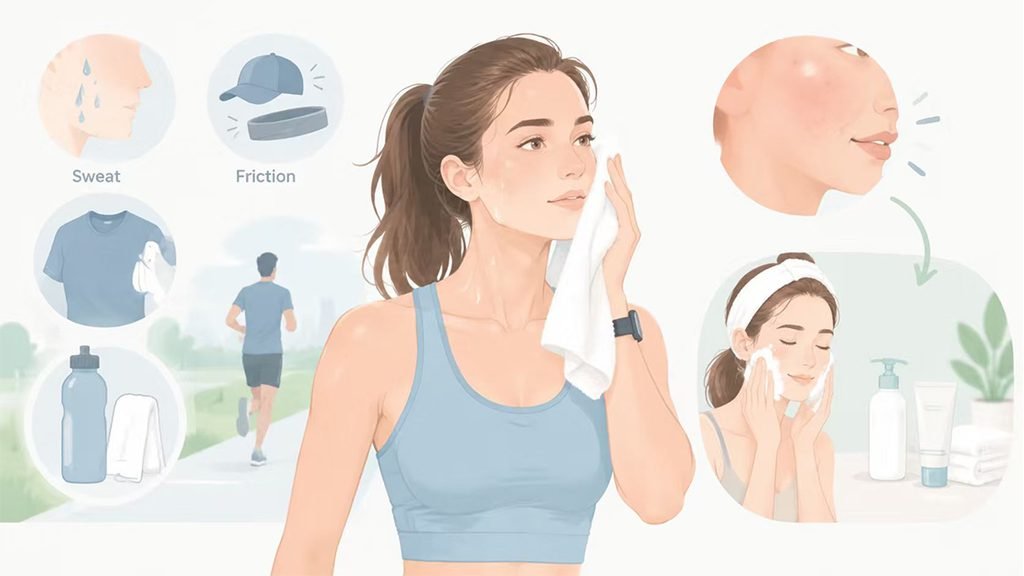
Running does not automatically cause acne scars, but frequent training can make skincare more complicated. Sweat, tight athletic clothing, hats, headbands, and repeated contact with equipment may irritate acne-prone skin. When breakouts become inflamed, picking or squeezing blemishes can further increase the risk of scarring and discoloration.
A simple post-workout skincare routine can help reduce unnecessary irritation. Runners should cleanse gently after exercise, change out of sweaty clothing, and avoid aggressive scrubbing. Choosing non-comedogenic skincare products can also help support skin health without unnecessarily clogging pores.
1.2 Outdoor Training and Uneven Skin Tone
Outdoor runners often spend considerable time in sunlight, even when the weather feels cool. Ultraviolet exposure can darken existing post-inflammatory hyperpigmentation, making uneven skin tone more noticeable. This is particularly relevant for people who already have brown or grayish marks where acne has healed.
Broad-spectrum sunscreen, protective clothing, and reducing intense midday sun exposure can help protect the skin. These habits are especially important when considering cosmetic laser treatments because recent tanning and ongoing sun exposure may affect treatment planning and increase the risk of pigmentation changes.
1.3 Why Acne Marks Can Remain After Breakouts Heal
After acne clears, the skin may retain several types of visible changes. Some people develop flat red, pink, brown, or grayish marks, while others experience depressions or raised areas that change the skin’s texture.
These concerns are not interchangeable. Flat discoloration may gradually fade, whereas established depressed scars often require a more targeted treatment plan. Identifying the main concern helps runners understand which treatments may be appropriate and what results are realistic.
2. Understanding Acne Scars and Post-Acne Marks
2.1 Acne Scars Versus Post-Inflammatory Hyperpigmentation
Post-inflammatory hyperpigmentation (PIH) refers to flat areas of darker pigmentation that remain after inflammation, including acne, has settled. Depending on skin tone, these marks may appear brown, dark brown, or grayish. Flat red or pink marks may reflect lingering post-inflammatory redness rather than a depressed scar.
True acne scars involve structural changes in the skin. Atrophic scars create depressions, while hypertrophic scars are raised because of excess scar tissue. The distinction matters because a treatment that targets pigmentation may not adequately improve a deep indentation, and a scar-focused procedure may not be necessary for a flat mark that is already fading.
2.2 Common Types of Acne Scars
Atrophic scars are among the most common forms of acne scarring. Ice-pick scars are narrow and deep, boxcar scars have more defined edges, and rolling scars create a wavy appearance. Each type affects the skin differently and may respond to different combinations of treatments.
Raised scars require a different approach, especially when they extend beyond the original acne lesion or continue growing. A qualified dermatologist can assess scar type, skin tone, acne history, and previous treatments before recommending a suitable option. Laser treatment may be part of the plan, but it is not the right standalone solution for every scar.
3. How Laser Treatment May Improve Acne Scars
3.1 The Role of Picosecond Laser Technology
Picosecond lasers deliver energy in extremely short pulses measured in trillionths of a second. Depending on the system, treatment settings, and optical accessories, this energy can interact with selected pigment targets and support processes associated with skin remodeling. Certain picosecond laser approaches have also been studied for atrophic acne scars and uneven skin texture.
The goal is not to erase every scar or create perfectly smooth skin. Instead, treatment may help make selected scars or areas of discoloration less noticeable. Outcomes depend on scar type, skin characteristics, the technique used, and individual response. A professional assessment is essential before deciding whether a picosecond laser is appropriate.
3.2 Understanding Dual-Wavelength Treatments
Dual-wavelength picosecond systems may combine 532 nm and 1064 nm wavelengths to address different aesthetic concerns. The 532 nm wavelength is more strongly absorbed by superficial melanin, making it relevant to selected superficial pigmentation concerns. The 1064 nm wavelength penetrates more deeply and is used in various pigment-focused and skin-rejuvenation applications.
These wavelengths are not interchangeable, and neither should be selected based on skin marks alone. A practitioner must evaluate skin tone, the type and depth of the concern, and the risk of unwanted pigment changes. Shorter wavelengths require particular care in darker skin tones because epidermal melanin can absorb more energy.
3.3 Why Treatment Parameters Matter
Laser treatment involves more than choosing a wavelength. Energy level, spot size, pulse delivery, treatment pattern, and session spacing all influence how the skin responds. Settings that are too aggressive may increase irritation or the risk of burns, scarring, and post-inflammatory hyperpigmentation.
For runners who spend substantial time outdoors, treatment timing also matters. A qualified provider may recommend avoiding procedures during periods of recent tanning, intense sun exposure, or demanding athletic events that could complicate recovery. The safest plan prioritizes skin assessment and appropriate healing rather than rapid results.
4. Choosing a Suitable Laser Approach for Active Adults
4.1 When Pigmentation Is the Main Concern
If the main issue is flat brown or grayish marks left by acne, treatment may focus on reducing the appearance of excess pigmentation. A dual-wavelength picosecond laser may be considered for selected pigment concerns after a professional evaluation confirms that the marks are suitable for treatment.
Not every dark mark should be treated with a laser. Melasma, post-inflammatory hyperpigmentation, and other pigmented skin conditions can look similar but require different management strategies. Runners with new, changing, irregular, or unexplained spots should seek medical assessment before pursuing cosmetic treatment.
4.2 When Uneven Texture or Depressed Scars Are the Main Concern
Depressed acne scars involve structural changes beneath the skin’s surface, so treating color alone may not produce the desired improvement. Depending on the scar type, a dermatologist may consider laser resurfacing, fractional laser techniques, microneedling, radiofrequency microneedling, subcision, or a combination of approaches.
Picosecond laser systems with suitable treatment modes may be considered for certain acne scars and texture concerns. However, the availability of dual wavelengths alone does not establish that a device can effectively treat every scar type. The practitioner must confirm that the system’s capabilities and selected technique match the patient’s needs.
4.3 Why Individualized Treatment Is Important
Adult runners may have different skin tones, acne histories, training schedules, and recovery priorities. Someone with a few flat marks may need a different approach from someone with deep rolling scars or persistent active acne.
Before treatment, a qualified provider should review medications, current skincare products, previous procedures, sun exposure, and the risk of pigmentary complications. If acne remains active, controlling breakouts first can help reduce the likelihood of developing additional scars while existing concerns are addressed.
5. How Advanced Laser Technology Fits Into Professional Skin Care
5.1 Precision and Flexible Treatment Planning
Modern aesthetic laser systems are designed to give trained practitioners control over how energy is delivered. Dual-wavelength configurations can provide flexibility when addressing different pigmentation concerns, while appropriate treatment optics and parameter adjustments can help tailor procedures to individual needs.
For acne-related concerns, this flexibility is useful only when guided by an accurate assessment. Superficial discoloration, deeper pigmentation, and depressed scars do not respond identically. Technology should support a carefully selected treatment plan rather than replace professional judgment.
5.2 Balancing Treatment With a Runner’s Schedule
Runners often plan their weeks around long runs, speed sessions, races, and recovery days. Cosmetic laser procedures introduce another consideration: the skin needs time to recover, and the recovery period varies with the procedure and its intensity.
It is sensible to discuss upcoming races, outdoor training, and access to shade before scheduling treatment. Depending on the procedure, temporary redness, swelling, sensitivity, or discoloration may occur. A provider can advise when to resume strenuous exercise, sweating, swimming, and direct sun exposure rather than relying on a universal waiting period.
5.3 Supporting Results With Consistent Skincare
Laser treatment is only one part of managing post-acne concerns. Gentle cleansing, suitable moisturization, and consistent broad-spectrum SPF 30 or higher sunscreen help protect the skin. Runners should reapply sunscreen as directed, particularly during prolonged outdoor exercise, and use sweat-resistant formulas when appropriate.
After treatment, avoid exfoliating acids, retinoids, or other potentially irritating products until the provider confirms they can be reintroduced. Avoid picking at healing skin and attend follow-up appointments to assess progress. These steps help support recovery and reduce avoidable irritation.
6. Setting Realistic Expectations for Acne Scar Treatment
6.1 How Many Sessions May Be Needed?
There is no single session count that works for everyone. The number of treatments depends on whether the main concern is pigmentation, depressed scars, or both. The selected laser technique, treatment intensity, skin response, and healing time also affect the schedule.
Some people may notice changes after an initial treatment, while others need multiple sessions or a combination of procedures. Improvement is often gradual, and collagen remodeling takes time. A treatment plan should include follow-up assessments rather than promise a specific result within a fixed period.
6.2 Understanding Potential Risks
Laser procedures can cause temporary redness, swelling, tenderness, or changes in pigmentation. Less common but important risks include burns, infection, persistent discoloration, and additional scarring. The risk profile depends on the technology, settings, skin type, and practitioner’s experience.
People with darker skin tones may be more susceptible to certain forms of post-inflammatory hyperpigmentation after skin injury or treatment. This does not automatically rule out laser procedures, but it makes careful device selection, appropriate treatment planning, and professional experience particularly important.
6.3 Knowing When to Seek Dermatological Advice
If adult acne remains painful, deep, or persistent, consult a dermatologist instead of focusing solely on the marks it leaves behind. Treating active acne can reduce the chance of new scars developing. Raised scars that continue to grow, unexplained pigmentation, or skin changes that do not heal also warrant professional assessment.
The best treatment plan addresses both current skin health and the appearance concerns that remain after acne improves. For runners, that means finding an approach that supports realistic cosmetic goals while allowing adequate time for healing and ongoing outdoor sun protection.
FAQ
1. Can laser treatment remove acne scars completely?
Laser treatment may make selected acne scars less noticeable, but complete removal cannot be guaranteed. Results depend on scar type, skin tone, treatment technique, and individual healing.
2. Can picosecond lasers help with post-acne dark spots?
Certain picosecond laser treatments may help address selected pigmentation concerns. A professional should identify the cause of the marks before recommending treatment.
3. Is laser treatment suitable for darker skin tones?
Some laser treatments may be suitable, but wavelength and settings require careful selection. Choose a provider experienced in treating diverse skin tones.
4. Can I run immediately after laser treatment?
Not always. Recovery depends on the procedure and your skin’s response. Follow your provider’s advice about exercise, sweating, and sun exposure.
5. Should I treat active acne before acne scars?
Often, yes. Controlling active acne can help prevent new scars. A dermatologist can recommend the right order of treatments.
Conclusione
For adult runners, acne scars and post-acne marks can remain frustrating long after breakouts have cleared, but understanding the difference between pigmentation and structural scarring makes treatment choices clearer. Picosecond laser technology, including systems with 532 nm and 1064 nm wavelengths, may offer options for selected pigmentation and skin-texture concerns when used appropriately. The most effective approach begins with professional assessment, realistic expectations, and a treatment plan tailored to individual skin needs and training schedules. Combined with consistent sun protection, gentle skincare, and effective acne management, carefully selected laser treatments can form part of a broader strategy for healthier-looking, more even skin.
References
1. Acne Scars: Consultation and Treatment — American Academy of Dermatology
https://www.aad.org/public/diseases/acne/derm-treat/scars/treatment
2. Acne Scars: Signs and Symptoms — American Academy of Dermatology
https://www.aad.org/public/diseases/acne/derm-treat/scars/symptoms
3. Procedural and Surgical Treatment Modalities for Acne Scarring: Part II — Journal of the American Academy of Dermatology
https://pubmed.ncbi.nlm.nih.gov/35469981
4. Skin Rejuvenation — Picosecond Laser Technology and Treatment Applications
https://www.rheinlasers.com/treatments/skin-rejuvenation
5. Efficacy and Safety of Treatment With Fractional 1,064-nm Picosecond Laser With Diffractive Optic Element for Wrinkles and Acne Scars