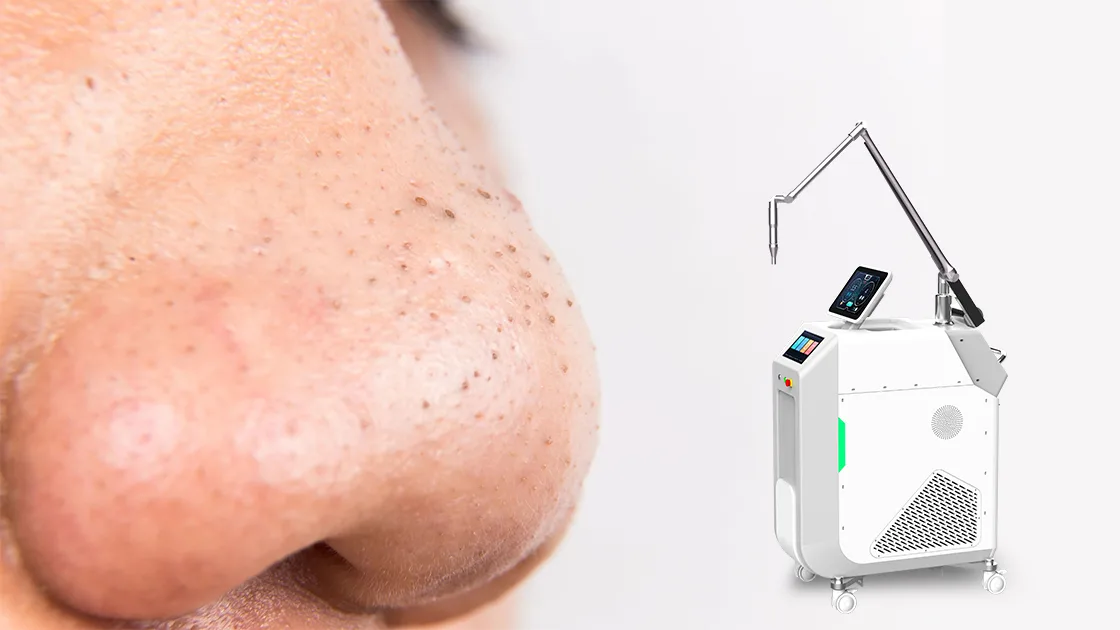
Understanding Comedones: The Common Skin Issue
Comedones—blackheads and whiteheads—are common skin concerns that many people face. They form when hair follicles or pores become clogged with dead skin cells, excess oil, and debris. This often results from factors such as hormonal changes, stress, or poor skincare habits. While comedones are typically not painful, they can affect the skin’s appearance, leading to an uneven texture and a dull complexion. If left untreated, they may develop into more severe acne. While traditional methods like extraction or topical treatments can offer temporary relief, they may not provide long-term results. This is where picosecond laser technology shines to help comedones, offering a precise and effective treatment for clearer, smoother skin.
Introduction to Picosecond Laser
The picosecond laser is a revolutionary tool in the world of skin rejuvenation. Unlike traditional lasers, which operate on a millisecond scale, picosecond lasers deliver ultra-fast pulses of light in picoseconds (trillionths of a second). This rapid energy allows the laser to treat skin issues with precision, breaking down unwanted pigment and debris without causing damage to the surrounding tissue. The DualPico system, featured in leading dermatological treatments, offers two wavelengths—532nm and 1064nm—to target different layers of the skin. This advanced technology allows for deeper penetration and a more thorough treatment process, making it an ideal choice for stubborn comedones and other skin imperfections.
How Pico Laser Clears Comedones
The picosecond laser targets comedones by breaking down the debris and excess oils that clog the pores. The laser energy interacts with the pigment in the clogged pore, shattering it into smaller particles. These fragments are then naturally removed by the body’s immune system, leading to cleaner, clearer skin. Additionally, the heat generated by the laser stimulates collagen production, which helps improve the overall texture and tone of the skin. Over time, regular treatments can reduce pore size and prevent future blockages, making the skin appear smoother and more even.
Proven Effectiveness: Benefits of Pico Lasers
Picosecond lasers have been extensively studied and proven effective for treating comedones and improving overall skin quality. Clinical studies show that patients experience significant reductions in pore size, fewer breakouts, and an overall improvement in skin texture. The treatment is non-invasive, with minimal discomfort, and requires no downtime. Many patients report seeing noticeable improvements after just a few sessions, with results that can last long-term when combined with a proper skincare routine.
In addition to treating comedones, the picosecond laser offers multiple skin rejuvenation benefits, including reduced pigmentation, smoother skin, and improved elasticity. This makes it an ideal choice for individuals seeking a comprehensive solution to skin imperfections.
Is Pico Laser Right for You? Pros, Cons, and Considerations
Pros
- Non-invasive and Precise: The picosecond laser is non-ablative, meaning it doesn’t harm the skin’s surface, making it safe for most skin types. It delivers targeted energy with precision, reducing the risk of side effects.
- Minimal Downtime: After treatment, there’s no need for a lengthy recovery. Many people resume their normal activities right after a session.
- Effective for Multiple Skin Issues: Beyond comedones, the picosecond laser treats acne, pigmentation, fine lines, and overall skin texture.
Possible Risks
- Temporary Redness or Swelling: After treatment, mild redness or swelling may occur, but it typically subsides within a few hours to a day.
- Sensitivity to Sun Exposure: Following treatment, your skin may be more sensitive to sunlight. It’s essential to use sunscreen to protect your skin.
When to Avoid
If you have active acne or broken skin, the treatment might not be ideal. It’s important to wait until the skin has healed before undergoing laser therapy. Individuals with severe skin conditions or allergies to laser treatment should consult with a certified dermatologist to determine if this procedure is appropriate.
Conclusion
Picosecond laser technology is revolutionizing the treatment of comedones, offering patients a non-invasive, effective way to clear clogged pores and enhance overall skin quality. With its precision, minimal downtime, and proven results, it’s an excellent solution for anyone struggling with persistent skin issues. If you’re looking for a way to achieve clearer, smoother skin without the hassle of traditional methods, picosecond laser treatment might just be the breakthrough you need.