Introduction
Stretch marks, medically known as striae distensae, are a common dermatologic concern affecting millions of women, particularly following pregnancy or significant weight fluctuations. These linear scars arise from rapid skin stretching, resulting in dermal tearing and disruption of collagen and elastin fibers. While not medically harmful, stretch marks can negatively impact self-esteem and body image. Traditional interventions such as topical creams, massage, and chemical peels often yield limited results, especially for mature striae. Laser-based treatments offer a scientifically validated, non-invasive solution that stimulates collagen regeneration, improves skin texture, and restores a smoother, more uniform appearance.
Laser therapy provides advantages over conventional methods by targeting affected tissues directly, minimizing downtime, and delivering long-term aesthetic benefits. This article explores the mechanisms of laser stretch mark therapy, clinical applications, treatment expectations, and safety considerations, providing a comprehensive guide for those seeking effective post-pregnancy skin restoration.
1. Understanding Stretch Marks
1.1 What Are Stretch Marks?
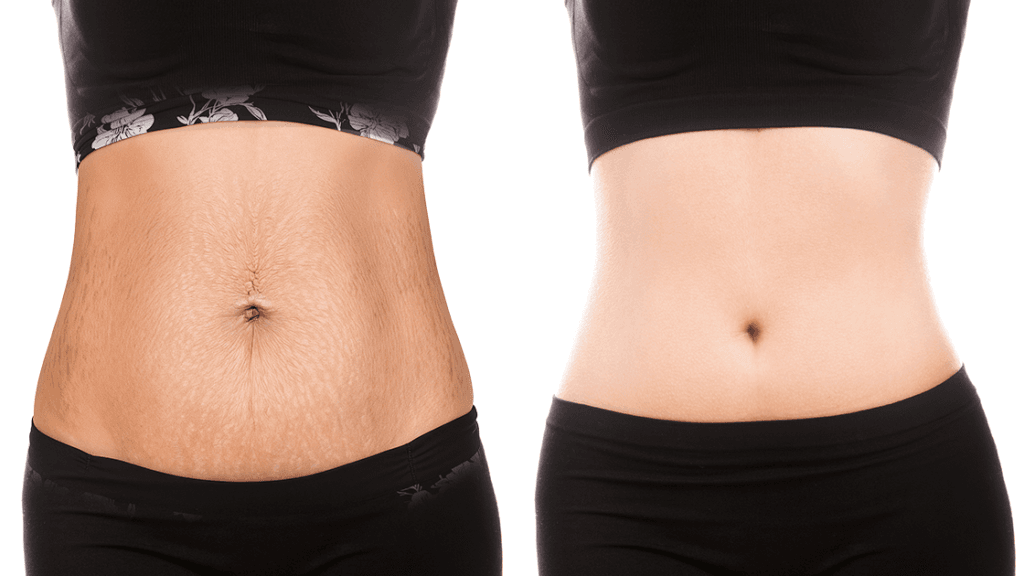
Stretch marks develop when the dermis—the skin’s middle layer—is overstretched, causing collagen and elastin fibers to rupture. Initially, striae appear red, purple, or pink due to increased vascularity and inflammation. Over time, they fade to silvery-white as the dermal tissue matures and vascularity decreases. Common triggers include pregnancy, rapid weight gain or loss, puberty, and hormonal imbalances. Elevated cortisol and estrogen levels may weaken connective tissue, predisposing skin to striae formation. Histologically, stretch marks demonstrate epidermal thinning, reduced dermal thickness, fragmented collagen, and compromised elastin networks, leading to decreased skin elasticity and visible textural irregularities.
1.2 How Stretch Marks Affect Confidence
While medically benign, stretch marks often cause emotional distress. Individuals may feel self-conscious, limit clothing choices, or experience anxiety in social or intimate settings. Beyond aesthetics, the presence of striae can influence psychological well-being. Laser therapy addresses both the structural and visual aspects of stretch marks, promoting dermal repair and improving skin appearance. Patients often report enhanced self-esteem and body confidence following treatment, highlighting the combined physical and psychological benefits of this approach.
2. Laser-Based Stretch Mark Treatments
2.1 How Laser Therapy Works
Laser therapy delivers concentrated light energy to the dermis, stimulating fibroblast activity and collagen production. Fractional CO2 lasers generate microthermal zones, triggering controlled dermal damage that initiates a repair cascade. Pulsed dye lasers target vascular components in red or purple striae, reducing redness and inflammation. Pico-second lasers deliver ultrashort pulses to break down pigment and enhance tissue remodeling. These mechanisms collectively restore skin thickness, elasticity, and pigmentation uniformity. Multiple treatment sessions, spaced weeks apart, are recommended to allow progressive dermal healing and optimal clinical outcomes.
2.2 Benefits Over Traditional Methods
Unlike topical treatments or chemical peels, laser therapy penetrates the dermis to stimulate regeneration at the cellular level. Clinical studies demonstrate measurable improvements in skin texture, firmness, and pigmentation. Laser treatment is non-invasive, requires minimal downtime, and produces long-lasting results. Fractional CO2 and pulsed dye lasers have been shown to reduce the width and visibility of striae by up to 50–70% over multiple sessions. These benefits make laser therapy particularly effective for mature stretch marks resistant to conventional approaches.
2.3 Safety Considerations
Laser therapy is generally safe when administered by certified dermatologists or laser technicians. Pre-treatment evaluation should include assessment of skin type, striae age, and history of keloids or photosensitivity. Common side effects include mild erythema, edema, and transient pigmentation changes, which typically resolve within days. Patients should avoid sun exposure and follow post-treatment care instructions to optimize results. Contraindications include pregnancy, active skin infections, and certain photosensitive conditions. Proper patient selection ensures safety and maximizes therapeutic efficacy.
3. What to Expect During and After Treatment
3.1 Treatment Sessions and Duration
Each laser session typically lasts 20–40 minutes, depending on striae size and severity. Most patients require 4–6 sessions spaced 4–6 weeks apart. Newer, red or purple striae respond more quickly, whereas older, white striae may require additional sessions. Combining multiple laser modalities targeting both pigmentation and dermal structure is often recommended for comprehensive improvement.
3.2 Sensations and Recovery
Patients may experience mild stinging, heat, or tingling sensations during treatment. Topical anesthetics or cooling devices can enhance comfort. Post-treatment effects include erythema and slight swelling, which usually subside within 24–48 hours. Patients are advised to avoid sun exposure, apply recommended moisturizers, and maintain proper hydration to support dermal healing and optimize treatment outcomes.
3.3 Visible Results Timeline
Results are typically gradual. Improvements in skin texture and pigmentation often become noticeable after the second or third session. Over the subsequent 2–3 months, collagen remodeling continues, producing smoother, firmer skin. While complete elimination of stretch marks is rare, progressive improvement is significant, particularly when combined with adjunctive care and lifestyle measures.
4. Combining Laser Treatments with Other Therapies
4.1 Topical Treatments and Creams
Adjunctive use of topical retinoids, peptides, or hyaluronic acid can enhance collagen production and epidermal hydration. Applying these products after laser sessions accelerates dermal remodeling and improves overall skin elasticity, complementing the effects of laser therapy.
4.2 Microneedling and PRP
Microneedling creates controlled microchannels in the dermis, stimulating fibroblast activity. When combined with platelet-rich plasma (PRP), growth factors are delivered directly to treated areas, synergistically enhancing collagen production and improving skin texture. This multimodal approach is especially effective for mature, less responsive striae.
4.3 Lifestyle Considerations
Maintaining healthy lifestyle habits supports treatment outcomes. Adequate hydration, balanced nutrition rich in vitamins C and E, and regular exercise help maintain skin elasticity. Avoiding rapid weight fluctuations reduces the risk of new stretch marks. Integrating these practices ensures sustainable results and prolongs the benefits of laser therapy.
5. Optimizing Treatment Outcomes
5.1 Customizing Treatment Plans
Effective stretch mark therapy requires individualized treatment planning. Factors such as striae color, location, skin type, and patient goals inform laser type selection, session frequency, and energy settings. Customized protocols ensure maximum efficacy while minimizing adverse effects, particularly for patients with darker skin or older, mature striae.
5.2 Post-Treatment Skin Care
Proper post-laser care is essential to maintain results. Patients should use gentle cleansers, moisturizers, and broad-spectrum sunscreen to protect newly remodeled skin. Avoiding irritants and following clinician guidance minimizes complications and promotes optimal healing.
5.3 Long-Term Maintenance
Periodic follow-up sessions may be recommended to sustain improvements. Complementary therapies, such as topical agents or non-invasive rejuvenation treatments, can enhance results. Long-term lifestyle measures, including nutrition, hydration, and physical activity, support ongoing skin health and reduce the likelihood of new striae formation.
6. Frequently Asked Questions (FAQ)
Is laser treatment painful?
Laser therapy may cause mild stinging or heat sensations. Topical numbing or cooling devices mitigate discomfort.
How many sessions are needed for visible results?
Typically 4–6 sessions spaced 4–6 weeks apart, depending on striae age and severity.
Can laser therapy be done immediately postpartum?
Most clinicians recommend waiting 3–6 months post-delivery to allow hormonal stabilization.
Are there side effects?
Mild erythema, edema, and transient pigmentation changes are common; serious complications are rare.
Can stretch marks recur?
Laser therapy improves existing striae, but rapid weight changes or hormonal shifts may lead to new stretch marks.
Conclusion
Laser therapy provides a scientifically validated, non-invasive approach to improving the appearance of stretch marks. By stimulating collagen regeneration, enhancing skin texture, and normalizing pigmentation, it addresses both cosmetic and psychological concerns. Combining laser therapy with topical treatments, microneedling/PRP, and healthy lifestyle practices maximizes results and ensures long-term benefits. Professional evaluation, personalized treatment protocols, and adherence to post-treatment care are essential for achieving smooth, confident skin.
References
Rhein Lasers – Treatments Overview
https://www.rheinlasers.com/treatments
Chow RT, Johnson MI, Lopes‑Martins RA, Bjordal JM. “The Efficacy of Low-Level Laser Therapy in Musculoskeletal Pain Management.” Pain Research & Management.
https://pubmed.ncbi.nlm.nih.gov/17391052
Hamblin MR. “Mechanisms and Applications of the Anti-Inflammatory Effects of Photobiomodulation.” AIMS Biophysics.
https://pubmed.ncbi.nlm.nih.gov/31715242
Bjordal JM, et al. “A Systematic Review with Procedural Assessments and Meta-Analysis of Low-Level Laser Therapy in Tendinopathy.” BMC Musculoskeletal Disorders.