1. Introduction
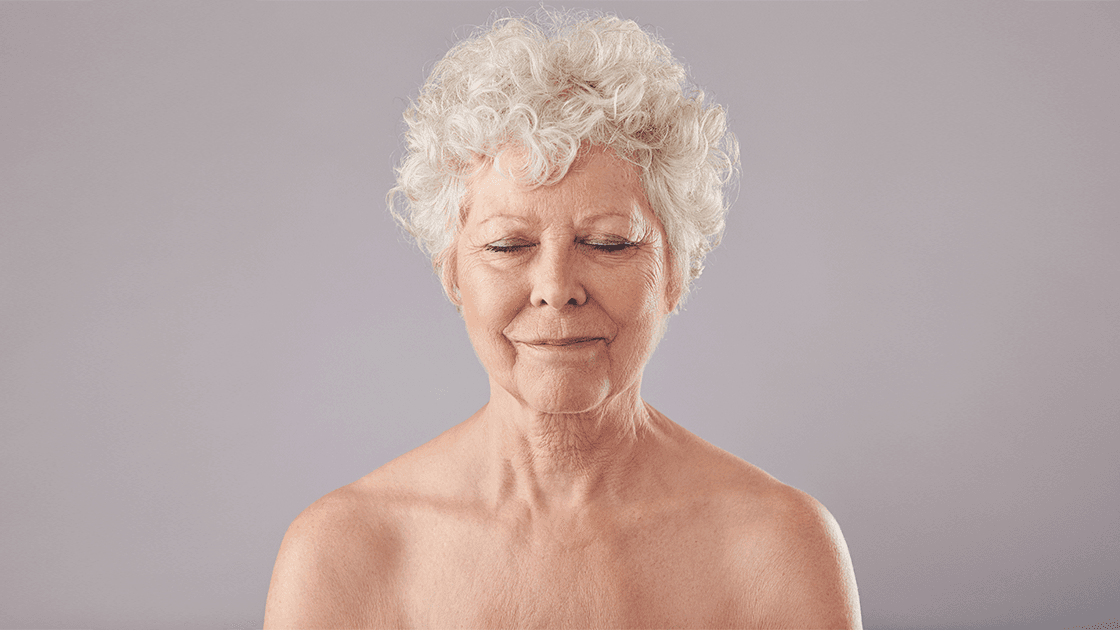
Loose skin is a common concern among adults due to aging, weight fluctuations, pregnancy, or lifestyle factors. The skin naturally loses elasticity over time as collagen and elastin production decreases. Traditionally, surgical procedures were the primary method to address sagging skin, but non-invasive alternatives are increasingly preferred. Radio frequency (RF) skin tightening has emerged as a popular non-surgical method to firm and rejuvenate the skin. Using electromagnetic waves to heat deeper layers of the skin, RF stimulates collagen production and improves skin elasticity. This article explores the mechanisms, clinical applications, benefits, safety, and post-treatment care of RF treatments, providing a comprehensive guide for anyone considering this therapy.
2. Understanding Loose Skin and Skin Aging
Before delving into RF treatments, it is essential to understand why skin becomes loose and how aging impacts skin structure. This foundational knowledge highlights why RF therapy is effective in addressing skin laxity.
2.1 What Causes Loose Skin?
Loose skin results from multiple physiological and environmental factors. Aging naturally decreases collagen and elastin, proteins essential for skin firmness. Rapid weight loss can leave excess skin behind, while pregnancy often stretches abdominal skin beyond its elastic limits. Environmental influences, such as prolonged sun exposure and smoking, further degrade collagen fibers and accelerate sagging. Understanding these causes emphasizes the importance of interventions like RF therapy that target the structural components of the skin rather than simply its surface appearance. By addressing the underlying tissue changes, RF treatments can restore skin tension and improve overall texture.
2.2 Effects of Aging on Skin Elasticity
As the body ages, the dermal layer of the skin thins, and fibroblast activity diminishes. Fibroblasts are responsible for producing collagen and elastin, critical for maintaining skin elasticity. Reduced collagen and elastin lead to sagging, fine lines, and wrinkles. Additionally, decreased blood flow in aged skin impairs nutrient delivery and waste removal, slowing regeneration. These changes are cumulative and often become noticeable in areas such as the face, neck, and abdomen. Recognizing how aging affects skin helps patients understand why non-invasive treatments like RF therapy, which stimulate fibroblasts and enhance microcirculation, can effectively improve skin firmness over time.
3. What Is Radio Frequency Skin Tightening?
Transitioning from skin aging, it’s important to explore how RF therapy works and why it is effective for skin tightening. RF treatments provide a targeted approach to firming loose skin by directly influencing the dermal structure.
3.1 Definition of Radio Frequency Therapy for Skin
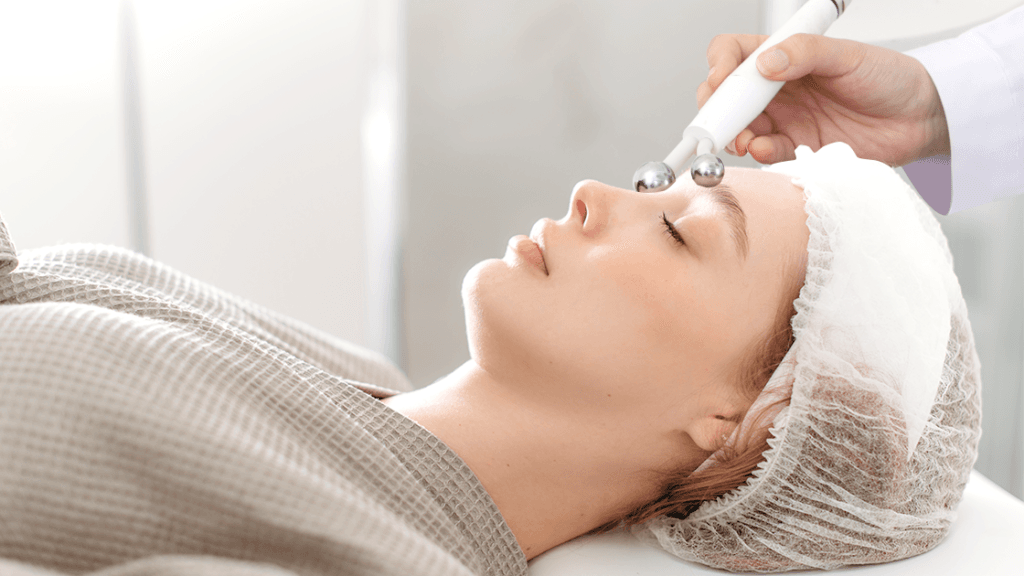
Radio frequency therapy is a non-invasive cosmetic treatment that uses electromagnetic energy to heat the dermis while sparing the epidermis. This heat stimulates fibroblasts to produce new collagen and elastin fibers. Unlike laser treatments that target pigmentation or superficial tissue, RF penetrates deeper layers without damaging the surface skin. This makes it suitable for all skin types. RF therapy is often used for facial rejuvenation, body contouring, and tightening loose skin in areas prone to sagging, including the jawline, abdomen, and arms. Its versatility and safety have made it a preferred method in aesthetic medicine.
3.2 How Radio Frequency Energy Works at a Cellular Level
RF energy generates controlled heat within the dermis, raising tissue temperature to 40–45°C, which triggers thermally induced collagen contraction. This stimulates fibroblasts to synthesize new collagen and elastin, enhancing skin thickness and firmness over time. Heat also improves local blood circulation and lymphatic drainage, supporting tissue repair and detoxification. The molecular effects include increased ATP production and activation of signaling pathways that regulate extracellular matrix remodeling. Understanding these cellular mechanisms clarifies why RF treatments provide long-lasting results and why repeated sessions are often recommended to achieve optimal skin tightening.
3.3 Types of Radio Frequency Devices for Skin Tightening
Several RF devices are available, differentiated by electrode configuration and depth of penetration. Monopolar RF delivers energy deep into tissues, suitable for body contouring. Bipolar RF targets mid-dermal layers, commonly used for facial treatments. Multipolar RF combines multiple electrodes to evenly heat tissue with reduced discomfort. Each type offers unique advantages depending on the treatment area, skin thickness, and desired outcome. Device selection should be guided by a trained professional to ensure safety, efficacy, and patient comfort. The diversity of RF devices enables personalized treatment plans for varying degrees of skin laxity. https://www.rheinlasers.com/product-list/radio-frequency-instrument
4. Benefits of Radio Frequency Skin Tightening
Having established how RF therapy works, it is important to examine the benefits that make this treatment popular among patients seeking non-surgical skin tightening.
4.1 Non-Surgical Skin Firming
RF treatments provide significant skin tightening without the need for incisions or anesthesia. Patients can achieve noticeable improvements in skin elasticity and contour without undergoing surgery. The non-invasive nature reduces recovery time and eliminates surgical risks such as scarring or infection. Treatments can be performed in-office, typically lasting 20–60 minutes per session, depending on the area treated. Non-surgical skin firming makes RF therapy an appealing option for those who prefer minimal downtime and natural-looking results, particularly for facial rejuvenation or mild to moderate skin sagging on the body.
4.2 Collagen and Elastin Stimulation
One of the core advantages of RF therapy is its ability to stimulate collagen and elastin production. By heating the dermis, RF energy activates fibroblasts, promoting the synthesis of these structural proteins. Over successive sessions, increased collagen density improves skin elasticity, while new elastin fibers restore resilience. This biological remodeling reduces fine lines and wrinkles, firms loose skin, and enhances overall skin texture. Collagen and elastin stimulation is fundamental to achieving sustainable, natural-looking skin tightening results that continue to improve weeks after treatment.
4.3 Minimal Downtime and Convenience
Radio Frequency treatments are convenient for most patients because they require minimal downtime. Mild redness or warmth may occur temporarily, but patients can resume normal activities immediately. The procedure is compatible with busy lifestyles, and many individuals schedule sessions during lunch breaks or short visits. Additionally, RF therapy can complement other non-invasive treatments, such as ultrasound or light-based therapies, to optimize outcomes. The combination of effectiveness and convenience contributes to RF therapy’s popularity in aesthetic and dermatological practices worldwide.
5. Potential Risks and Precautions
While RF therapy is generally safe, understanding potential risks and precautions ensures optimal outcomes and patient safety.
5.1 Possible Side Effects of Radio Frequency Treatment
Side effects are typically mild and transient, including redness, swelling, tingling, or slight tenderness in the treated area. Rarely, minor burns may occur if energy settings are too high. Most reactions resolve within hours to a few days. Knowledge of potential side effects allows patients to set realistic expectations and follow post-treatment instructions carefully, minimizing complications. Practitioners monitor treatment intensity and duration to ensure safety, particularly for sensitive areas like the face and neck.
5.2 Who Should Avoid Radio Frequency Skin Tightening
Certain individuals should avoid RF treatments or consult a physician prior to therapy. Pregnant women, patients with implanted electronic devices (such as pacemakers), or those with active skin infections should not undergo RF therapy. Additionally, individuals with severe skin disorders or uncontrolled chronic conditions may require alternative treatments. Proper screening ensures patient safety and helps practitioners customize treatment plans to individual medical histories, maximizing the benefits while reducing potential risks.
5.3 Safety Guidelines and Best Practices
To ensure safety, choose certified RF devices operated by trained professionals. Treatment energy and frequency should be tailored to the patient’s skin type and target area. Protective measures, such as cooling gels or skin monitoring, prevent overheating. Patients should follow pre- and post-treatment care instructions, including hydration, sun protection, and avoidance of harsh skincare products. Adhering to best practices enhances results, reduces the likelihood of adverse effects, and promotes patient satisfaction.
6. Preparing for and After Radio Frequency Treatments
Proper preparation and post-treatment care contribute significantly to the effectiveness and safety of RF therapy.
6.1 Pre-Treatment Recommendations
Before an RF session, patients should maintain clean, dry skin and avoid applying heavy creams or cosmetics. Areas with tattoos or metallic implants may require evaluation. Practitioners may assess skin thickness and elasticity to adjust treatment parameters. Pre-treatment guidelines ensure that RF energy penetrates the target tissues effectively and safely, maximizing collagen stimulation while minimizing discomfort or side effects.
6.2 Post-Treatment Care
After RF therapy, mild redness or warmth is normal. Patients should avoid sun exposure, apply soothing or moisturizing products, and stay hydrated to support tissue recovery. Gentle skincare routines are recommended for several days, and strenuous physical activity may be temporarily limited in certain cases. Adhering to post-treatment recommendations optimizes results, accelerates recovery, and ensures long-term improvements in skin tightness and elasticity.
7. Conclusion
Radio frequency skin tightening is a safe, effective, and non-invasive method for firming loose skin and improving overall skin texture. By stimulating collagen and elastin production at the cellular level, RF treatments address the root causes of skin laxity. The procedure offers minimal downtime, predictable results, and the flexibility to target multiple areas of the body. With proper patient selection, adherence to safety guidelines, and post-treatment care, RF therapy provides a sustainable solution for skin rejuvenation. This modality continues to gain popularity as a reliable alternative to surgical interventions.
8. Références
American Society for Dermatologic Surgery – Radiofrequency Skin Tightening
(https://www.asds.net/RF-Skin-Tightening)
Journal of Cosmetic and Laser Therapy – Radiofrequency for Skin Rejuvenation
(https://www.tandfonline.com/journals/ijcl20)
Mayo Clinic – Non-Surgical Skin Tightening Options
(https://www.mayoclinic.org/skin-tightening)
Healthline – How Radiofrequency Skin Tightening Works