Introduction
Traitements au laser have revolutionized aesthetic dermatology by offering solutions for skin rejuvenation, pigmentation correction, scar reduction, and hair removal. However, achieving optimal results is not determined solely by the device or laser parameters; a patient’s lifestyle plays a critical role in the skin’s response, healing, and overall treatment efficacy. Factors such as sleep quality, dietary habits, and sun exposure significantly influence post-laser inflammation, collagen synthesis, pigmentation, and tissue recovery.
Nowadays, dermatologists increasingly emphasize the integration of lifestyle modifications into laser treatment plans to maximize outcomes. Patients who actively manage sleep routines, maintain a nutrient-rich diet, and rigorously protect against ultraviolet (UV) exposure often experience faster recovery, reduced downtime, and more consistent results. This article explores how lifestyle factors interact with laser therapy, providing evidence-based guidance for clinicians and patients to optimize treatment outcomes.
1. Why Lifestyle Matters in Laser Treatments
While advanced laser technology is critical, the biological environment in which the laser interacts with skin is equally important. Lifestyle factors directly influence tissue repair, inflammation, and the skin’s ability to respond to controlled thermal or photomechanical injury.
1.1 Skin Healing and Inflammatory Response
Laser therapy works by creating controlled micro-injury in the epidermis or dermis, stimulating collagen remodeling, angiogenesis, and tissue regeneration. The skin’s ability to repair these micro-injuries is heavily influenced by systemic inflammation, immune regulation, and oxidative stress. Poor sleep, high sugar diets, or excessive UV exposure can amplify inflammatory pathways, delay fibroblast proliferation, and compromise collagen synthesis. Conversely, patients who maintain healthy habits demonstrate accelerated wound closure, minimal erythema, and stable pigmentation following laser procedures.
1.2 Lifestyle’s Role in Collagen Synthesis
Collagen is a key structural protein that determines skin elasticity, firmness, and resilience. Laser treatments, particularly non-ablative and fractional modalities, stimulate fibroblasts to produce new collagen. However, collagen synthesis is energy-dependent and highly sensitive to nutrient availability, hormonal balance, and cellular stress. Lifestyle factors such as inadequate protein intake, chronic sleep deprivation, or oxidative stress from UV radiation can reduce fibroblast activity, limiting the full benefit of laser therapy. Understanding this connection underscores why lifestyle modifications are not optional—they are integral to successful treatment outcomes.
2. Sleep and Laser Recovery
Sleep is one of the most critical yet often overlooked aspects of laser recovery. Quality sleep supports tissue repair, regulates immune responses, and facilitates collagen synthesis.
2.1 How Sleep Affects Skin Healing
During deep stages of sleep, the body undergoes cellular repair and regeneration. Fibroblasts are more active, collagen production peaks, and inflammatory cytokine levels decrease. For laser-treated skin, this translates to faster repair of microthermal zones created by fractional lasers, reduced erythema, and decreased risk of post-inflammatory hyperpigmentation. Studies also indicate that sleep deprivation elevates cortisol, which can exacerbate inflammatory responses, delay angiogenesis, and impair wound healing. Therefore, consistent, high-quality sleep is essential to fully capitalize on the regenerative mechanisms stimulated by laser treatments.
2.2 Tips for Better Sleep Around Laser Sessions
Optimizing sleep involves both behavioral and environmental strategies. Patients should maintain a consistent sleep-wake schedule, ensuring 7–9 hours of restorative sleep. Limiting caffeine or alcohol intake in the evening prevents sleep disturbances and reduces systemic inflammation. Creating a dark, cool, and quiet sleeping environment promotes deep sleep cycles. Incorporating relaxation techniques, such as guided meditation or controlled breathing, can further enhance sleep quality. For patients undergoing multiple laser sessions, prioritizing sleep before and after treatments significantly improves skin healing and minimizes downtime.
3. Diet and Nutrition: Feeding Your Skin Right
Nutrition is another critical factor that influences how skin responds to laser treatments. A balanced diet rich in antioxidants, essential fatty acids, and proteins supports tissue repair, reduces oxidative stress, and enhances collagen synthesis.
3.1 Key Nutrients That Support Healing
Certain nutrients play pivotal roles in post-laser skin recovery. Vitamin C and polyphenols, found in berries and leafy greens, act as antioxidants, neutralizing reactive oxygen species generated during laser-induced microinjury. Omega-3 fatty acids, present in fatty fish and flaxseed, exhibit anti-inflammatory properties, helping control erythema and edema. Protein intake, particularly amino acids like proline and lysine, provides the building blocks for collagen and elastin synthesis. Incorporating these nutrients into daily meals enhances cellular regeneration, optimizes laser results, and reduces the likelihood of prolonged redness or post-inflammatory hyperpigmentation.
3.2 Foods to Avoid After Laser Treatment
While some foods accelerate recovery, others can exacerbate inflammation and impair healing. Patients should limit high-sugar and high-glycemic foods, which elevate systemic inflammatory markers. Spicy foods, alcohol, and excessive caffeine can increase blood flow and heat, potentially intensifying post-laser redness. Additionally, processed or fried foods may contribute to oxidative stress, slowing fibroblast activity and collagen formation. Advising patients on both proactive nutrition and foods to avoid ensures the skin environment remains conducive to optimal laser therapy outcomes.
4. Sun Exposure and Laser Results
Ultraviolet radiation is one of the most significant external factors affecting laser treatment efficacy. UV exposure can trigger pigmentation changes, disrupt collagen remodeling, and prolong recovery.
4.1 Why Sun Protection Is Critical
After laser therapy, the skin is temporarily more photosensitive due to disruption of the epidermal barrier and the presence of microthermal or photomechanical injury zones. Exposure to UVA and UVB can activate melanocytes, leading to post-inflammatory hyperpigmentation. Furthermore, UV-induced oxidative stress impairs collagen formation and prolongs erythema. Even minimal sun exposure without protection can undermine weeks of treatment effort, emphasizing why consistent, broad-spectrum sun protection is non-negotiable for patients seeking safe and effective laser outcomes.
4.2 Best Practices for Sun Protection Before and After Treatment
Effective sun protection involves both topical and behavioral strategies. Patients should apply a broad-spectrum sunscreen with SPF 30 or higher, ideally one containing zinc oxide or titanium dioxide, 15–30 minutes prior to sun exposure. Wearing protective clothing, wide-brim hats, and UV-blocking sunglasses further reduces direct radiation. Limiting outdoor activities during peak UV hours (10 a.m.–4 p.m.) is essential. For post-treatment care, sunscreen should be reapplied every 2–3 hours if outdoors. Consistent adherence to these strategies minimizes pigmentation risks and accelerates optimal healing.
5. Integrating Lifestyle Changes Into Your Laser Plan
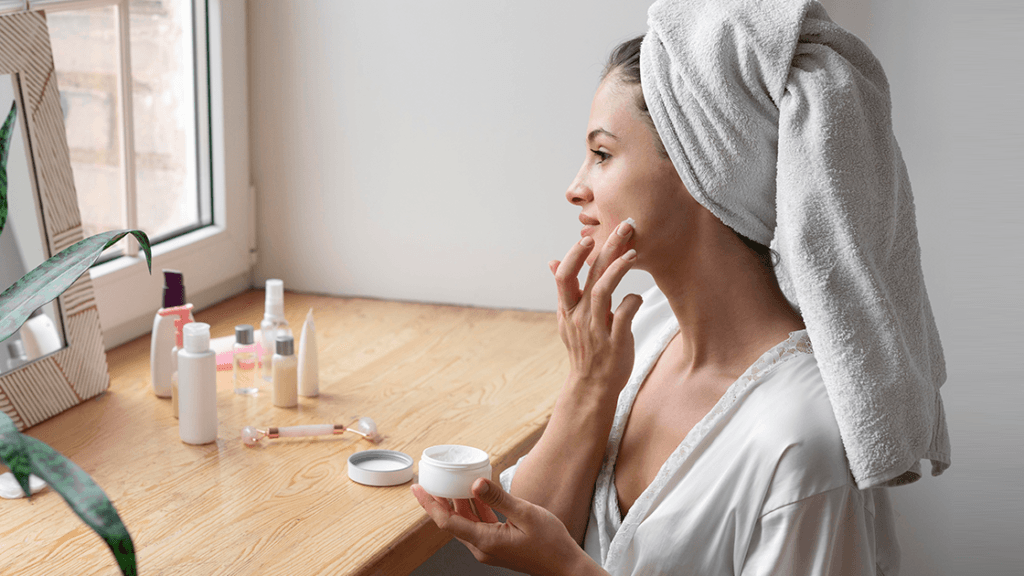
Individually, sleep, nutrition, and sun protection improve recovery; combined, they synergistically enhance laser outcomes.
Patients are encouraged to develop a comprehensive lifestyle plan around their laser treatments, including pre-treatment optimization and post-treatment recovery. Scheduling sessions to align with periods of adequate sleep, maintaining a nutrient-dense diet, and rigorously following sun safety practices ensures the skin remains resilient. Clinicians can further support outcomes by providing personalized guidance, recommending antioxidant supplements, or adjusting treatment parameters based on the patient’s lifestyle profile. This holistic approach leverages both technology and physiology to maximize the benefits of laser therapy.
FAQ
Can sleep really make a difference in laser results?
Yes. Quality sleep reduces systemic inflammation, accelerates fibroblast activity, and enhances collagen synthesis, directly improving post-laser healing and reducing downtime.
Which foods help speed up laser recovery?
Foods rich in antioxidants (berries, leafy greens), omega-3 fatty acids (salmon, flaxseed), and high-quality proteins provide the necessary nutrients for tissue repair and collagen production.
How long after laser treatment should I avoid sun exposure?
Patients should minimize direct sun exposure for at least 1–2 weeks post-treatment, using broad-spectrum sunscreen, protective clothing, and limiting peak UV activities.
Do lifestyle changes reduce downtime after laser therapy?
Yes. Adequate sleep, proper nutrition, and rigorous sun protection collectively reduce inflammation, promote faster tissue regeneration, and help achieve optimal results with minimal downtime.
Conclusion
While advanced laser technology is central to aesthetic treatments, lifestyle factors play a decisive role in achieving the best results. Sleep, nutrition, and sun exposure interact directly with the skin’s healing mechanisms, influencing inflammation, collagen production, and pigmentation response. By integrating lifestyle adjustments into laser treatment plans, patients can optimize outcomes, accelerate recovery, and enhance the longevity of results. Laser therapy, combined with a supportive lifestyle, is therefore not only a technical procedure but a holistic skin rejuvenation strategy.
References
Laser Treatment Aftercare and Recovery Tips – American Academy of Dermatology (AAD)
https://www.aad.org/public/cosmetic/laser-light/laser-treatment-safety
Nutrition and Skin Healing – National Center for Biotechnology Information (NCBI)
https://www.ncbi.nlm.nih.gov/pmc/articles/PMC4271697
Sleep and Skin Health – Sleep Medicine Reviews, NCBI
https://www.ncbi.nlm.nih.gov/pmc/articles/PMC4218978
Sun Exposure and Laser Treatment Results – Dermatologic Surgery Journal