Introduction
Hair removal is an essential part of modern beauty and personal care routines, particularly for sensitive areas such as the underarms, bikini line, and facial zones. Traditional hair removal methods like shaving, waxing, or depilatory creams can often cause irritation, redness, and ingrown hairs. Over the past decade, laser hair removal has emerged as a safe, effective, and convenient solution for long-term hair reduction. Its precision, adjustable intensity, and short treatment duration make it ideal for sensitive skin areas. This article explores how laser hair removal works, safety considerations, benefits, and realistic expectations for people seeking smooth, hair-free skin.
1. Understanding Sensitive Skin Areas
Before diving into the benefits of laser hair removal, it is important to understand why certain areas of the body are more sensitive.
1.1 What Makes Skin “Sensitive”?
Sensitive skin typically has a thinner epidermis and a higher density of nerve endings. This makes it more prone to irritation, redness, and discomfort during any cosmetic or hair removal procedure. People with sensitive skin often react more strongly to heat, chemicals, or mechanical friction, which is why traditional hair removal methods can be problematic in delicate zones.
1.2 Common Sensitive Areas
Some body parts are naturally more sensitive due to skin structure and nerve concentration:
- Underarms: Thin skin with sweat glands and frequent friction.
- Bikini line: Highly vascularized and prone to irritation.
- Facial areas: Upper lip, sideburns, and chin, where hair is finer but nerve endings are dense.
- Other delicate zones: Inner thighs, neck, or areas previously treated with cosmetic procedures.
1.3 Challenges of Hair Removal in Sensitive Areas
Traditional hair removal in these zones often comes with risks:
- Redness, swelling, or inflammation
- Ingrown hairs and folliculitis
- Higher pain perception
- Difficulty achieving smooth, even results without damaging skin
Laser hair removal addresses many of these issues by providing precise targeting and controlled energy delivery.
2. Traditional Hair Removal Methods and Their Limitations
Many individuals start with conventional hair removal, yet sensitive areas often react poorly.
2.1 Shaving
Shaving is quick and inexpensive but can lead to:
- Razor burn or irritation
- Ingrown hairs
- Short-lived results that require frequent maintenance
2.2 Waxing and Sugaring
Waxing provides longer-lasting results but:
- Can be painful, especially in delicate areas
- May damage sensitive skin
- Carries risk of redness, inflammation, or hyperpigmentation
2.3 Depilatory Creams
Chemical depilatories dissolve hair but:
- Can irritate sensitive skin
- Are less effective on coarse or thick hair
- Often unsuitable for face or bikini line use
3. How Laser Hair Removal Works
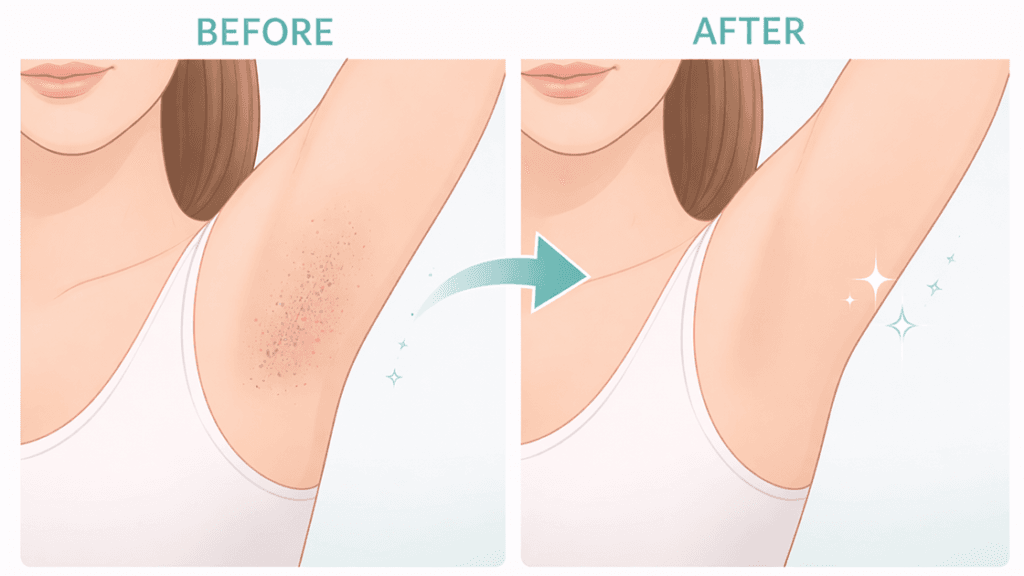
Laser technology offers a safe and efficient alternative, especially for sensitive skin areas.
3.1 Principles of Laser Hair Removal
Laser hair removal works by targeting the melanin in hair follicles. The light energy is absorbed by the pigment in the hair, which damages the follicle while leaving surrounding skin intact. Treatments are timed according to the hair growth cycle, targeting hairs in the active growth (anagen) phase to maximize long-term reduction.
3.2 Types of Lasers Used
Different laser systems cater to various skin tones and hair types:
- Alexandrite laser: Best for light to medium skin tones with dark hair
- Diode laser: Effective for a wide range of skin types
- Nd:YAG laser: Suitable for darker skin tones due to deeper penetration
Cooling mechanisms such as chilled tips or cryogenic sprays are often integrated to enhance comfort during treatment.
3.3 Why Laser Is Suitable for Sensitive Areas
Laser treatment is ideal for delicate skin because:
- The energy is precisely focused on the hair follicle
- Exposure times are short
- Intensity can be adjusted to minimize discomfort
- Risk of skin trauma is reduced compared to waxing or shaving
4. Safety Considerations for Sensitive Skin
Safety is paramount when treating delicate areas.
4.1 Pre-Treatment Assessment
Before treatment, professionals evaluate:
- Skin type (Fitzpatrick scale)
- Hair color, thickness, and density
- Medical history, including allergies and skin conditions
This assessment ensures the procedure is tailored for safety and effectiveness.
4.2 Protective Measures During Treatment
During the session:
- Cooling devices or gels protect the skin
- Short pulses reduce discomfort
- Eye protection is provided for facial areas
4.3 Soins post-traitement
After laser treatment, patients should:
- Avoid sun exposure for several days
- Apply soothing moisturizers or aloe-based products
- Monitor the area for redness or irritation, which typically subsides within 24–48 hours
5. Benefits of Laser Hair Removal for Sensitive Skin
When performed correctly, laser hair removal offers multiple advantages:
5.1 Long-Term Hair Reduction
Unlike temporary methods, laser treatments can permanently reduce hair growth over multiple sessions. Sensitive skin benefits from fewer ingrown hairs and less irritation over time.
5.2 Enhanced Comfort and Convenience
Laser treatments require fewer maintenance sessions compared to shaving or waxing. With modern cooling systems and precise energy delivery, the procedure is generally well tolerated in sensitive zones.
5.3 Improved Skin Appearance
Laser hair removal can improve skin texture and tone, reducing redness, bumps, and folliculitis. This results in smoother, healthier-looking skin in delicate areas.
6. Who Can Benefit Most
Certain individuals experience the greatest results:
6.1 Light to Medium Skin with Dark Hair
The contrast allows the laser to effectively target melanin in hair follicles, improving efficiency and safety.
6.2 People Prone to Irritation from Traditional Methods
Those who develop redness, folliculitis, or razor burn benefit from the gentle, precise action of lasers.
6.3 Busy Individuals Seeking Long-Term Convenience
Laser hair removal reduces the time and effort spent on daily or weekly hair removal routines, offering lasting results with minimal maintenance.
7. Expected Results and Treatment Plan
Understanding realistic expectations ensures satisfaction.
7.1 Number of Sessions Required
Typically, 6–8 sessions spaced 4–6 weeks apart are needed, depending on hair density, thickness, and treated area.
7.2 Timeline for Results
Hair gradually thins over several weeks, with noticeable reduction after multiple sessions. Maintenance sessions help sustain results long-term.
7.3 Managing Expectations
Some hair regrowth is possible, especially in areas with hormonal influence. Results vary based on skin type, hair color, and genetics.
FAQ
Is laser hair removal painful in sensitive areas?
Most patients experience mild discomfort or tingling, which is minimized with cooling systems.
Can it cause permanent skin damage?
When performed by trained professionals, laser hair removal is safe and does not damage skin permanently.
Are there skin types that should avoid laser hair removal?
Deeply pigmented skin or very light hair may require specialized lasers; a consultation is necessary.
Quelle est la durée des résultats ?
Long-term hair reduction is achievable, with occasional maintenance sessions recommended.
Can it be combined with other skincare treatments?
Yes, laser hair removal can be integrated into a broader skincare or aesthetic routine, but professionals should coordinate treatment timing.
Conclusion
Laser hair removal is a safe, effective, and convenient option for sensitive skin areas. Its precision, short treatment duration, and cooling technologies minimize discomfort and skin irritation. Combined with proper pre- and post-care, it offers long-term hair reduction and improved skin appearance, making it an ideal choice for those seeking smooth, hair-free skin.
References
Laser Hair Removal Overview – American Society for Dermatologic Surgery (ASDS)
https://www.asds.net/skin-experts/laser-hair-removal
Laser Hair Removal Safety and Skin Types
https://www.aad.org/public/cosmetic/hair-removal
Types of Laser Systems and Applications