Introduction
Body sculpting, also known as non-invasive body contouring, has rapidly gained popularity in recent years. With the rise of non-surgical technologies such as laser lipolysis, radiofrequency (RF) treatments, and ultrasound-assisted fat reduction, more people are seeking precise and safe methods to improve body contours without surgery. In 2026, trends show that individuals are focusing on specific body zones to achieve aesthetically balanced proportions. This article explores the most popular areas people are choosing to sculpt, the scientific principles behind these treatments, and how they enhance both appearance and confidence.

1. Popular Upper Body Areas
Upper body sculpting is often the first focus for many clients, as it can dramatically influence overall appearance and clothing fit. Targeting arms, shoulders, back, and chest areas can create a more defined and toned silhouette, which is particularly appealing to those aiming for visible aesthetic improvements. Non-invasive technologies enable localized fat reduction and skin tightening while minimizing downtime.
1.1 Arms
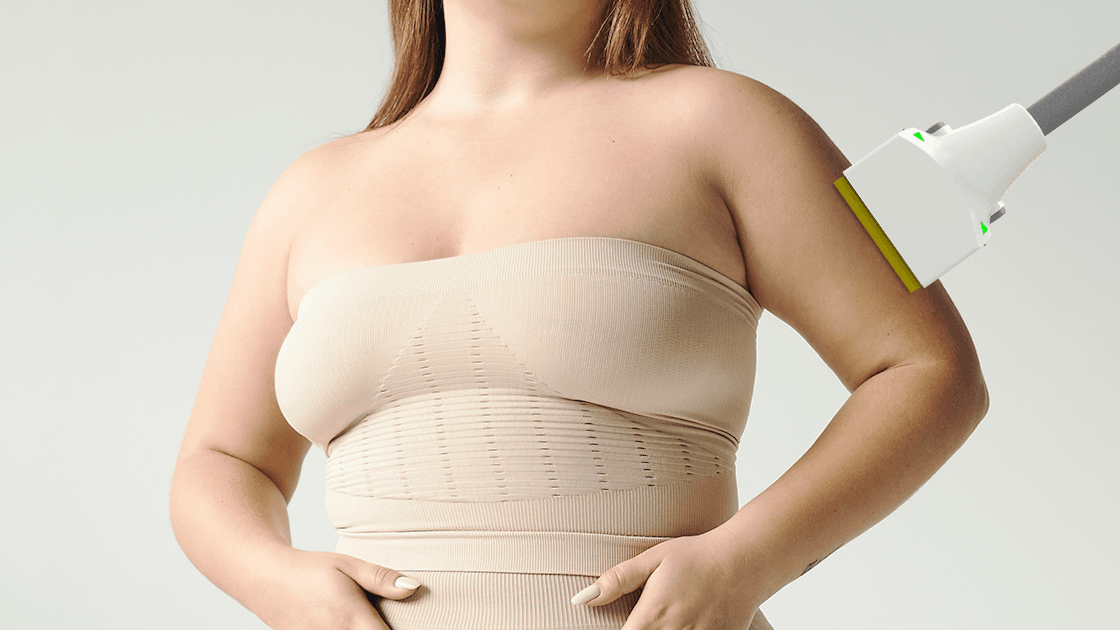
The upper arms, especially the triceps area, are among the most requested zones for body sculpting. Excess subcutaneous fat can create the so-called “bat wings,” which many individuals find challenging to reduce through exercise alone. Laser lipolysis and RF treatments can selectively target adipocytes, promoting lipolysis while stimulating collagen synthesis. The result is firmer skin and a more contoured arm profile. These procedures are especially advantageous because they avoid the scarring and long recovery associated with surgical arm lifts.
1.2 Shoulders and Back
Shoulder and upper back fat, often appearing as “bra bulge” in women or loose tissue in men, can affect posture and overall appearance. Body sculpting treatments using high-intensity lasers or RF devices can safely target these regions. The technology works by delivering controlled thermal energy to subcutaneous fat, triggering apoptosis of fat cells while simultaneously tightening the dermis. Regular sessions combined with a proper fitness routine can reduce bulges and create a smoother, more defined back contour, enhancing both physical comfort and clothing fit.
1.3 Chest Area
The chest area is a critical aesthetic zone for both genders. In men, fat accumulation in the pectoral region can create gynecomastia-like appearance, while in women, subtle contouring can enhance natural shape. Non-invasive body sculpting utilizes precise laser or RF energy to induce selective lipolysis and improve skin elasticity. Collagen remodeling and improved microcirculation in the treatment area further support long-term tissue integrity. Patients typically report noticeable improvements after a series of sessions, without the risks associated with surgical chest procedures.
2. Popular Midsection Areas
The midsection is arguably the most sought-after region for body sculpting. Fat deposits around the abdomen and flanks can be resistant to diet and exercise. Non-invasive procedures can provide effective fat reduction while enhancing skin tone, making these treatments particularly attractive in aesthetic medicine.
2.1 Abdomen
Abdominal sculpting remains the number-one request in body contouring practices. Using laser-assisted lipolysis or RF energy, practitioners can target subcutaneous fat while promoting collagen synthesis, which tightens the overlying skin. The mechanism involves thermal energy absorption by adipose tissue, triggering adipocyte apoptosis without damaging surrounding structures. Multiple studies have demonstrated improvements in waist circumference, skin elasticity, and overall aesthetic appearance. Treatments are generally well-tolerated, and patients appreciate the absence of incisions or prolonged downtime.
2.2 Love Handles & Waistline
Flanks or “love handles” are another common concern. Excess fat in this area affects the waist-to-hip ratio, which is a key determinant of body aesthetics. Non-invasive body sculpting can selectively reduce adipocytes and tighten dermal tissue using controlled thermal energy. Laser or RF devices also stimulate local blood circulation, enhancing nutrient delivery and metabolic activity in the treated area. The combination of fat reduction and dermal tightening creates a more defined waistline, improving silhouette and patient satisfaction.
3. Popular Lower Body Areas
Lower body sculpting is increasingly popular, particularly among women aiming for proportionate curves. Targeting thighs, hips, and buttocks can refine shape and complement upper body contouring for a balanced figure.
3.1 Thighs
The inner and outer thighs are common areas of concern due to fat accumulation and loose skin. Body sculpting technologies work by inducing selective adipocyte apoptosis while stimulating collagen remodeling in the dermis. Laser or RF energy penetrates subcutaneous layers, promoting fat reduction and tightening overlying skin. Regular sessions can reduce thigh circumference, improve skin texture, and enhance leg definition. Patients report that combining sculpting with targeted exercise maximizes aesthetic outcomes.
3.2 Hips & Buttocks
Sculpting the hips and buttocks requires careful contouring to preserve natural curves. Laser and RF treatments are ideal for targeting localized adiposity while improving skin firmness. By stimulating collagen synthesis and reducing adipocyte volume, these treatments enhance the overall hip-to-waist ratio. Non-invasive procedures allow patients to achieve a lifted and toned appearance without surgery, minimizing recovery time. Over time, repeated sessions can create more defined curves and smoother transitions between adjacent body zones.
4. Emerging Niche Areas
While traditional zones like the abdomen and thighs dominate, emerging treatment areas are gaining attention as non-invasive body sculpting becomes more precise. These include facial and extremity regions, reflecting patient desire for complete aesthetic harmony.
4.1 Chin & Neck
Double chin reduction and neck contouring are increasingly requested by patients seeking non-surgical facial refinement. Laser-assisted lipolysis and RF treatments target submental fat and stimulate dermal collagen remodeling. By improving tissue tightness and reducing adipocyte volume, these treatments enhance jawline definition and neck contour. Sessions are relatively short, and results accumulate over several treatments, offering a non-invasive alternative to surgical liposuction.
4.2 Knees & Ankles
Although less common, knees and ankles are becoming popular sculpting areas. Excess fat or loose skin around joints can affect limb proportions and aesthetics. Non-invasive techniques allow precise fat reduction and skin tightening without affecting joint function. Patients often combine these treatments with overall lower-body sculpting for proportionate leg definition. Controlled thermal energy ensures safety, and collagen stimulation improves skin texture, enhancing the visual harmony of legs from knee to ankle.
FAQ
How long does it take to see results in different areas?
Results vary by region and individual metabolism. Upper body areas may show visible changes within 4–6 weeks, while lower body areas often require 6–12 weeks for noticeable contour improvements. Multiple sessions typically yield optimal results.
Are some areas more painful than others?
Most non-invasive procedures are well-tolerated. Areas with thinner skin, like the chin or inner arms, may feel slightly warmer or tingly, but topical cooling or gels reduce discomfort.
Can multiple areas be treated in one session?
Yes, most patients can safely treat 2–3 adjacent zones in a single session, depending on device settings and practitioner evaluation.
Who is an ideal candidate for body sculpting?
Candidates should have localized fat deposits and generally healthy skin. Ideal patients seek contouring rather than significant weight loss and should maintain a stable weight for best results.
Is recovery required after each session?
Minimal recovery is needed. Some patients may experience mild redness, swelling, or tingling, which typically resolves within hours to a day.
Conclusion
In 2026, the most popular body sculpting zones include the abdomen, love handles, arms, thighs, hips, and emerging areas like the chin and knees. Non-invasive technologies such as laser lipolysis and RF treatments allow precise fat reduction, collagen stimulation, and skin tightening with minimal downtime. By understanding the most requested areas and combining sculpting with proper lifestyle measures, patients can achieve aesthetically balanced, natural-looking results while avoiding the risks of surgery.
References
Rhein Lasers – Body Sculpting Treatments
https://www.rheinlasers.com/treatments
Healthline – Non-Surgical Fat Reduction Options
https://www.healthline.com/health/non-surgical-fat-reduction
American Society for Dermatologic Surgery – Body Contouring Guide
https://www.asds.net/skin-experts/body-contouring
Rhein Lasers – Non-Invasive Body Sculpting, Fat Reduction & Contouring
https://www.rheinlasers.com/non-invasive-body-sculpting-fat-reduction-contouring.html