Introduction: Unmasking Bunny Lines
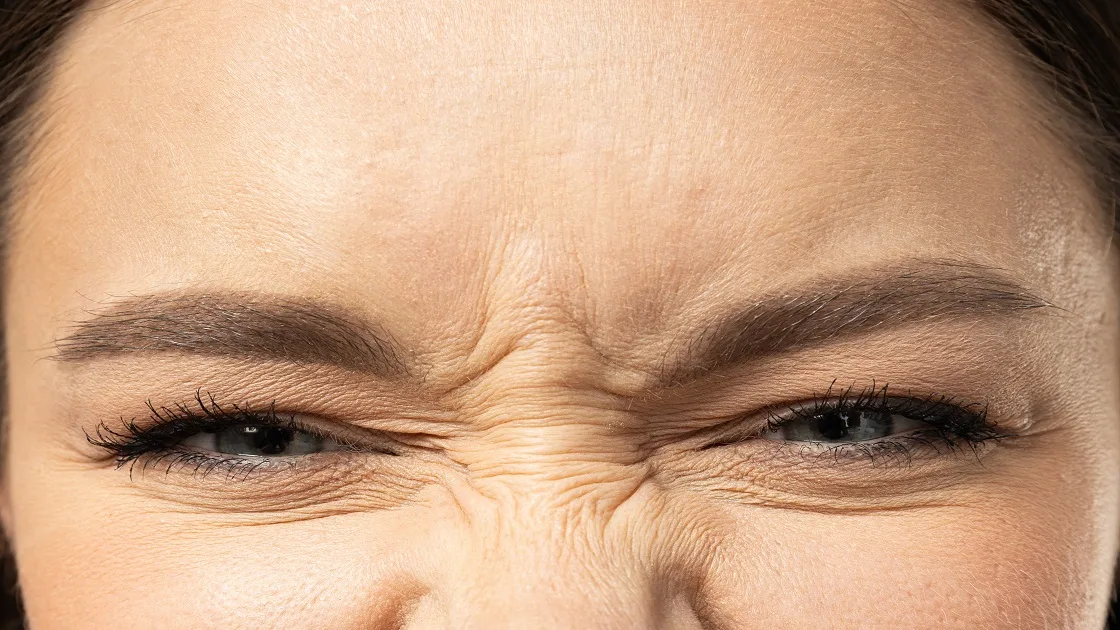
Bunny lines are the subtle wrinkles that form on the sides of the nose when you smile or scrunch your face. While they are a natural part of aging, these lines can make you look older than you’d like. Thankfully, radiofrequency (RF) aesthetics offers a non-invasive solution to smooth these bunny lines away and restore a youthful, refreshed appearance.
Understanding Radiofrequency Aesthetics
Radiofrequency (RF) is a cutting-edge, non-invasive treatment designed to tighten the skin and stimulate collagen production. RF energy is applied to the skin’s surface, where it heats the deeper layers of tissue. This process encourages the production of new collagen and elastin, key proteins that give skin its youthful elasticity and smoothness. Over time, RF energy tightens the skin, improving texture and reducing the appearance of fine lines, such as bunny lines around the nose.
Unlike other treatments that only target the surface, RF treatments penetrate deep into the skin layers, making it effective for addressing deeper wrinkles and sagging, especially in delicate areas like the eyes and nose.
Targeting Bunny Lines with RF Aesthetics
Bunny lines, while relatively minor, are often difficult to address due to the sensitive skin around the nose and eyes. RF aesthetics targets these delicate areas with focused energy, helping to smooth out the lines without affecting the surrounding tissue. The deep penetration of RF energy boosts collagen production, which lifts and firms the skin, reducing the appearance of bunny lines and improving overall skin tone.
Benefits and Advantages of Radiofrequency for Bunny Lines
There are several reasons why radiofrequency is becoming a popular treatment for bunny lines:
- Non-invasive and no downtime: Unlike injections or surgery, RF is a non-surgical treatment that requires no recovery time, allowing patients to resume their daily activities immediately.
- Safe for all skin types: RF energy is gentle yet effective, making it suitable for all skin tones and types, even in sensitive areas like the eyes and nose.
- Long-lasting results: While the treatment is gradual, the results become more visible over time, with improvements in skin elasticity and wrinkle reduction.
- Collagen stimulation: RF treatments encourage the skin’s natural collagen production, improving skin structure and overall appearance.
- Natural results: Unlike Botox, which paralyzes muscles, RF tightens the skin and promotes a more youthful, natural look without freezing facial expressions.
Procedure and Aftercare
The RF procedure for bunny lines is quick and relatively comfortable. A handheld RF device is gently moved over the treated area, emitting energy that heats the deeper layers of the skin. While the procedure may cause mild warmth or a tingling sensation, it’s generally painless, and no anesthesia is required. Treatments typically take around 20 to 30 minutes, depending on the area being treated.
After the procedure, patients may experience slight redness or warmth, which usually subsides within a few hours. To maintain the best results, it’s important to:
- Stay hydrated to promote skin health.
- Avoid direct sun exposure and use a high-SPF sunscreen to protect the treated areas.
- Moisturize regularly to support collagen production and maintain healthy skin.
Conclusion: A Smoother, Youthful Future
Radiofrequency is a non-invasive treatment that reduces bunny lines and tightens skin around your nose and eyes. It works by stimulating collagen production deep within the skin. This helps improve skin elasticity, texture, and smoothness over time. If you want to refresh your appearance without surgery, RF aesthetics might be the perfect solution for a smoother, line-free look.