Introducción
Rapid weight-loss trends have changed the way people think about beauty, facial aging, and skin quality. While slimmer body contours often receive the most attention, facial appearance has become an equally important concern in modern aesthetic discussions. The term “Ozempic Face” has gained popularity because many individuals notice loose skin, hollow cheeks, reduced facial fullness, and a more fatigued appearance after sudden weight reduction. As these conversations continue growing across skincare communities and beauty platforms, more women are exploring non-invasive aesthetic technologies designed to support collagen remodeling, facial contour refinement, and overall skin rejuvenation. Among the most discussed innovations, RF skin tightening and 1064nm laser technology have become closely associated with modern facial rejuvenation trends because they align with the increasing demand for energy-based aesthetic solutions and natural-looking skin support.
1. Why “Ozempic Face” Is Becoming a Major Beauty Conversation
The beauty industry constantly evolves alongside wellness trends and social media discussions. Recently, facial volume loss after rapid weight reduction has become one of the most talked-about aesthetic concerns online. As more people prioritize long-term skin quality and facial balance, attention toward skin laxity and collagen support continues increasing.
1.1 The Growing Awareness of Facial Volume Loss
Facial fat plays a critical role in maintaining youthful contours and balanced facial structure. When the body experiences rapid weight reduction, the cheeks and lower face may lose soft tissue support more quickly than expected. As a result, facial skin can appear thinner, less firm, and more fatigued. Hollow cheeks, jawline softening, and increased visibility of fine lines often become more noticeable during this process.
At the same time, beauty consumers have become far more educated about skin physiology and facial aging. Discussions surrounding collagen depletion, dermal support, and skin elasticity now appear regularly across digital beauty platforms. Consequently, many women are shifting their attention toward non-invasive facial rejuvenation technologies that support overall skin appearance while maintaining natural facial movement and contour balance.
1.2 Why Natural-Looking Skin Support Is Replacing Traditional Anti-Aging Trends
Modern beauty preferences have changed significantly over the last few years. Instead of dramatic cosmetic transformations, many people now seek subtle enhancement and healthier-looking skin. This shift has increased interest in collagen-focused aesthetic technologies designed to support facial firmness and skin texture refinement gradually.
As a result, RF skin tightening and advanced laser rejuvenation systems continue attracting attention within aesthetic clinics and medspa environments. These technologies align with the growing preference for non-surgical skin support, low-downtime procedures, and energy-based facial rejuvenation. In addition, modern consumers increasingly associate advanced aesthetic platforms with long-term skincare maintenance rather than short-term cosmetic correction.
2. The Science Behind Facial Skin Changes After Rapid Weight Loss
Understanding why facial changes happen after rapid weight reduction requires a closer look at skin structure and collagen biology. Skin firmness depends on multiple components working together, including collagen fibers, elastin networks, hydration balance, and dermal support tissue.
2.1 How Collagen Remodeling Influences Facial Appearance
Collagen is one of the most important proteins responsible for maintaining skin strength and elasticity. It creates structural support throughout the dermis and helps preserve smooth facial contours. Elastin fibers contribute to flexibility and rebound, allowing the skin to maintain a firmer appearance over time.
However, collagen production naturally declines with age. Rapid weight reduction may further emphasize these changes because facial fat decreases while skin support structures remain under increased tension. Fibroblasts, which are connective tissue cells responsible for collagen synthesis, may also become less active over time. This combination can contribute to skin laxity, uneven texture, and reduced contour definition.
For this reason, collagen remodeling has become a central focus in modern aesthetic technology. Many energy-based facial rejuvenation systems now emphasize dermal stimulation and skin support as part of broader discussions surrounding non-invasive anti-aging care.
2.2 Why the Mid-Face and Jawline Show Early Changes
The mid-face and jawline regions often display visible aging signs earlier because these areas rely heavily on soft tissue support. When facial fat volume decreases rapidly, the cheeks may appear hollow while the lower face loses definition. In many cases, loose skin becomes more noticeable around the jawline and lower cheek area.
Environmental stressors can also influence these changes. Daily ultraviolet exposure, oxidative stress, dehydration, and irregular sleep patterns may accelerate collagen breakdown and reduce overall skin elasticity. Consequently, many individuals begin searching for technologies associated with facial contour refinement and skin rejuvenation support.
This growing interest has encouraged aesthetic clinics to focus more heavily on RF-assisted skin tightening and laser-based dermal stimulation technologies designed to support smoother skin appearance and improved contour balance.
3. Why RF Skin Tightening Is Trending in Modern Aesthetic Clinics
As consumers continue prioritizing non-invasive beauty solutions, RF skin tightening has become one of the most discussed technologies in modern facial rejuvenation. Many clinics now incorporate radiofrequency-based systems into broader skin support strategies because of their connection to collagen stimulation and facial contour enhancement.
3.1 How RF Energy Connects With Skin Firmness and Facial Contouring
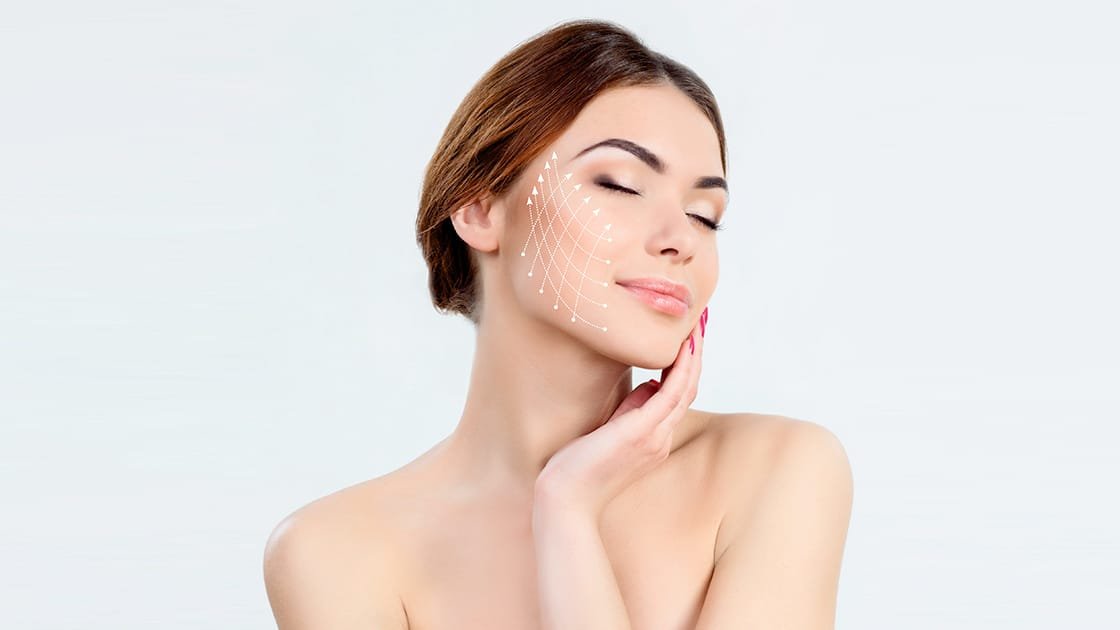
RF skin tightening uses controlled radiofrequency energy to interact with deeper layers of the skin. This energy supports thermal stimulation within the dermal structure, which closely relates to collagen remodeling discussions in aesthetic medicine. As a result, RF technology has become strongly associated with skin firmness, facial support, and contour refinement.
Unlike more aggressive aesthetic procedures, RF-based systems align with the modern preference for gradual enhancement and natural-looking results. Many consumers appreciate technologies that fit into long-term skin maintenance routines while supporting smoother skin texture and improved facial definition. Consequently, RF skin tightening remains highly visible across medspa trends and professional skincare discussions.
3.2 Why Beauty Consumers Prefer Energy-Based Facial Rejuvenation
The rise of energy-based aesthetic technology reflects broader changes in consumer expectations. Many people now want aesthetic solutions that feel modern, personalized, and technology-focused. Instead of dramatic cosmetic alteration, the emphasis has shifted toward healthier-looking skin and subtle contour support.
This trend has increased demand for advanced aesthetic platforms that combine skin rejuvenation with facial contour refinement. In addition, social media discussions surrounding “preventative aging” and “collagen support” continue driving public interest in RF-assisted facial rejuvenation systems. Beauty consumers increasingly view these technologies as part of an overall wellness-oriented skincare lifestyle.
4. How 1064nm Laser Technology Is Reshaping Skin Rejuvenation Trends
Laser-based skin rejuvenation technologies continue evolving rapidly within aesthetic medicine. Among the most discussed innovations, 1064nm laser technology has become increasingly associated with non-invasive facial rejuvenation and skin quality support.
4.1 Why 1064nm Laser Technology Is Gaining Attention
The 1064nm wavelength has become widely recognized in aesthetic technology discussions because it interacts with deeper dermal structures while supporting skin rejuvenation goals. Many clinics incorporate 1064nm laser systems into facial contouring and skin revitalization environments due to their versatility and compatibility with modern aesthetic preferences.
Consumers also associate advanced laser technology with smoother skin texture, improved facial appearance, and enhanced skin vitality. As awareness surrounding collagen remodeling continues growing, laser-based dermal stimulation systems are becoming an important part of conversations surrounding non-invasive anti-aging strategies and facial contour refinement.
4.2 The Connection Between Laser Rejuvenation and Skin Quality
Modern aesthetic trends increasingly focus on overall skin quality instead of isolated cosmetic concerns. Many people now prioritize skin brightness, texture consistency, and facial balance as part of long-term skincare management. This shift explains why laser rejuvenation systems continue gaining visibility within the beauty industry.
At the same time, many aesthetic professionals combine RF technology with advanced laser platforms to support broader facial rejuvenation goals. This combination reflects the industry’s growing focus on energy-based skin support systems designed to align with modern beauty expectations and collagen-centered skincare discussions.
5. Why Combination Aesthetic Technologies Are Becoming More Popular
The aesthetic industry continues moving toward integrated skin rejuvenation strategies. Instead of focusing on a single device category, many clinics now combine multiple technologies to support personalized facial rejuvenation discussions and long-term skin quality goals.
5.1 The Rise of Multi-Technology Facial Rejuvenation Platforms
Modern aesthetic environments increasingly rely on combination-based platforms that integrate RF energy, laser rejuvenation systems, and advanced skin support technologies. This shift reflects changing consumer expectations surrounding customization, comfort, and long-term skincare management.
Many beauty consumers now prefer technologies associated with gradual enhancement and balanced facial support. As a result, aesthetic providers often discuss facial contour refinement, collagen stimulation, and dermal remodeling together rather than as separate concerns. This integrated approach has become central to modern non-invasive facial rejuvenation conversations.
5.2 Why Personalized Skin Rejuvenation Is Driving Industry Growth
Personalization has become one of the strongest trends in aesthetic medicine. Consumers increasingly expect skincare technologies to align with their skin condition, facial structure, and overall beauty goals. This demand has encouraged clinics and aesthetic technology providers to focus on adaptable energy-based systems designed for individualized skin support discussions.
In addition, modern beauty consumers place greater value on maintaining natural facial appearance while improving overall skin quality. Consequently, RF skin tightening and 1064nm laser rejuvenation technologies continue gaining visibility because they fit naturally within the evolving landscape of advanced aesthetic skincare.
FAQ
What does “Ozempic Face” mean?
“Ozempic Face” refers to facial volume loss, loose skin, and reduced contour definition that may appear after rapid weight reduction.
Why does rapid weight loss affect facial skin?
Rapid weight reduction can decrease facial fat volume and make collagen loss more noticeable, especially around the cheeks and jawline.
What is RF skin tightening?
RF skin tightening uses radiofrequency energy associated with collagen remodeling and skin firmness support in non-invasive aesthetic care.
Why is 1064nm laser technology popular in skin rejuvenation?
Many aesthetic professionals discuss 1064nm laser technology because it connects with dermal stimulation, facial rejuvenation, and skin quality support trends.
Why are more women interested in energy-based facial rejuvenation?
Modern consumers often prefer non-surgical technologies that support natural-looking skin appearance and long-term facial maintenance.
Conclusión
The growing conversation surrounding “Ozempic Face” reflects broader changes within the beauty and aesthetic industry. More women now recognize the relationship between rapid weight reduction, facial volume loss, collagen decline, and overall skin quality. As a result, interest in non-invasive facial rejuvenation technologies continues expanding across modern skincare environments. RF skin tightening and 1064nm laser technology have become especially relevant because they align with current preferences for energy-based aesthetic systems, collagen-focused skincare strategies, and natural facial contour support. As advanced aesthetic technology continues evolving, facial rejuvenation discussions will likely remain centered around skin quality, dermal stimulation, and long-term skin wellness.
References
- American Academy of Dermatology
https://www.aad.org - Cleveland Clinic – Collagen and Skin Elasticity
https://health.clevelandclinic.org - Harvard Health Publishing – Skin and Aging
https://www.health.harvard.edu - Mayo Clinic – Aging Skin Overview
https://www.mayoclinic.org - Rhein Laser Aesthetic Technology
https://www.rheinlasers.com