1. Introducción
Acne scars are a common concern for millions of individuals worldwide. These scars often result from inflammation, skin trauma, or improper healing after acne lesions, and they can significantly impact a person’s confidence and overall skin health. Beyond cosmetic concerns, uneven skin texture and scarring may contribute to psychological stress, reduced self-esteem, and hesitation in social interactions. Traditional treatments such as topical creams, chemical peels, and micro-needling often provide limited results, especially for deeper scars. As a result, non-invasive laser therapy has gained prominence as a targeted solution. By precisely stimulating collagen remodeling and promoting tissue regeneration, laser therapy offers an effective method to improve both the appearance and texture of the skin.
2. Understanding Acne Scars
2.1 Types of Acne Scars
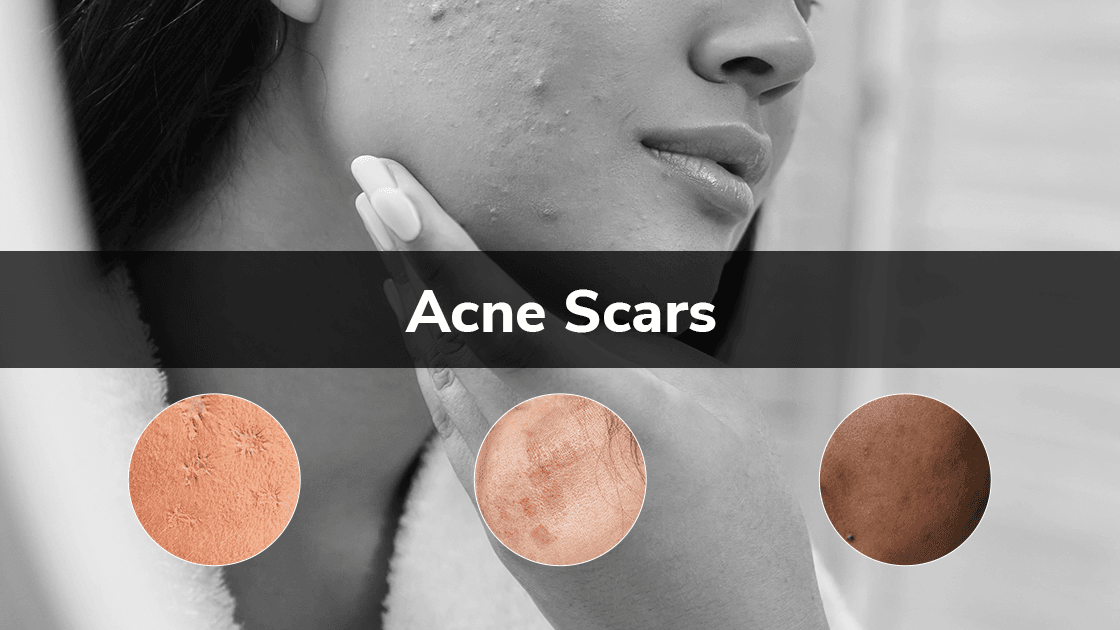
Acne scars are categorized into three primary types: icepick, boxcar, and rolling scars. Icepick scars are narrow, deep depressions that penetrate the dermis, making them challenging to treat. Boxcar scars are wider, with well-defined edges that create pitted areas on the skin. Rolling scars are characterized by undulating depressions, giving the skin a wave-like appearance. Each scar type responds differently to treatments, and understanding the morphology is critical for developing an effective laser therapy plan. Identifying scar types helps clinicians select the appropriate wavelength, energy settings, and laser modality to optimize results.
2.2 Causes of Acne Scars and Skin Irregularities
Acne scarring is primarily caused by inflammatory processes that damage the dermal collagen and extracellular matrix. When the skin attempts to heal, irregular collagen deposition can result in depressed or raised scars. Factors such as the severity of acne, delayed healing, and individual genetic predispositions play significant roles. Environmental factors, including sun exposure and lifestyle habits like diet and smoking, can exacerbate skin irregularities. Understanding these underlying causes allows clinicians to personalize laser therapy, targeting both visible scarring and the deeper tissue dysfunction that contributes to long-term texture irregularities.
3. What Is Laser Therapy for Acne Scars?
3.1 How Laser Technology Works
Laser therapy uses concentrated light energy to penetrate the skin selectively. Fractional lasers, which target microscopic columns of tissue, are commonly used for acne scars. Ablative lasers remove the outer layer of skin, promoting regeneration and stimulating collagen production, while non-ablative lasers penetrate deeper tissues without damaging the epidermis, encouraging collagen remodeling and improving skin elasticity. The energy delivered by lasers promotes fibroblast activity, stimulates collagen synthesis, and enhances tissue repair. By creating controlled micro-injuries, the skin undergoes a natural healing process that gradually reduces scar depth and smooths skin texture.
3.2 Benefits Over Traditional Treatments
Compared to chemical peels, microneedling, or topical therapies, laser treatments provide superior precision and efficacy. Traditional methods often require repeated sessions with variable outcomes and may not adequately address deep scars. Laser therapy allows clinicians to target specific scar types and adjust energy parameters for optimal results. In addition, patients benefit from shorter downtime, controlled treatment depth, and the ability to combine laser therapy with complementary procedures, enhancing overall outcomes. This advanced approach ensures long-lasting improvement in both skin texture and appearance.
https://www.rheinlasers.com/product-list/dualpico-laser-workstation
4. Laser Procedure and Technical Details
4.1 Preparing the Skin for Treatment
Effective laser therapy begins with proper skin preparation. Before treatment, the skin must be thoroughly cleansed to remove oil, makeup, and debris. Topical anesthetics are often applied to minimize discomfort during the procedure. Clinicians may mark the treatment areas to ensure precise targeting. Hydrated skin responds better to laser energy, so pre-treatment moisturization is essential. Patients are also advised to avoid direct sun exposure for at least two weeks prior to treatment, as tanning can increase the risk of adverse reactions. Proper preparation enhances treatment efficacy and reduces the likelihood of complications.
4.2 Step-by-Step Treatment Process
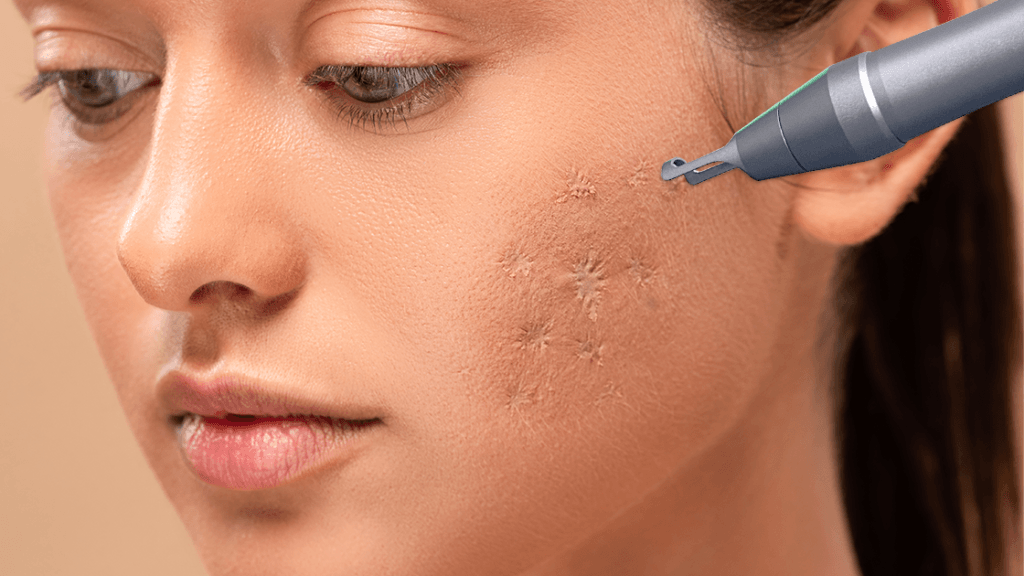
During a typical laser session, the clinician targets acne scars using a controlled scanning pattern. The laser energy is delivered in multiple passes to ensure uniform coverage. The practitioner adjusts overlap, pulse duration, and intensity according to the patient’s skin response and scar depth. Fractional lasers create microthermal zones in the dermis, stimulating natural healing while preserving surrounding tissue. Continuous monitoring allows for real-time adjustments, ensuring the energy is sufficient to remodel collagen without causing unnecessary damage. Each session generally lasts 20–45 minutes, depending on the treated area’s size and the number of scars.
4.3 Patient Comfort and Management
Patient comfort is a critical aspect of laser therapy. Cooling systems, topical anesthetics, and vibration devices are commonly used to minimize discomfort during treatment. Clinicians continuously observe the skin’s response and patient feedback to adjust laser parameters. This careful management ensures both safety and a positive treatment experience. Patients are encouraged to communicate any sensations of pain or heat, allowing practitioners to fine-tune energy delivery and optimize therapeutic outcomes. Proper comfort management contributes to better adherence and overall satisfaction.
4.4 Post-Treatment Observation
Immediately after treatment, the skin may exhibit mild redness, warmth, or swelling, which generally resolves within a few hours to a couple of days. Patients receive detailed post-care instructions, including gentle cleansing, moisturization, and strict sun protection. Avoiding harsh exfoliants or irritating products is crucial during the healing phase. Clinicians may recommend soothing creams or anti-inflammatory topical agents to accelerate recovery. Regular follow-up appointments allow assessment of skin response and guide any necessary adjustments in subsequent sessions. Careful post-treatment monitoring ensures optimal results and minimizes adverse effects.
5. Expected Results and Benefits
5.1 Reduction of Acne Scars
Laser therapy promotes collagen remodeling, which gradually smooths the skin’s surface and diminishes scar depth. Icepick, boxcar, and rolling scars all demonstrate measurable improvement with fractional laser treatments. Multiple sessions are often recommended for optimal outcomes, with visible enhancement typically appearing after a few weeks as new collagen forms and scars flatten. This targeted approach provides superior results compared to traditional therapies, addressing both superficial and deeper dermal damage.
5.2 Enhanced Skin Texture
Beyond scar reduction, laser therapy improves overall skin texture, including tone, elasticity, and brightness. Controlled laser energy stimulates fibroblast activity and reorganizes collagen networks, resulting in smoother and more uniform skin. Patients often notice reduced pore size, improved firmness, and an overall rejuvenated appearance. When combined with complementary treatments such as topical growth factors or PRP, these effects are amplified, providing a comprehensive solution for uneven or rough skin.
5.3 Psychological and Confidence Benefits
The cosmetic improvements achieved through laser therapy can positively impact psychological well-being. Patients frequently report increased self-confidence, improved self-image, and greater comfort in social or professional settings. These benefits extend beyond aesthetics, motivating individuals to maintain long-term skin health and adhere to post-treatment care recommendations. By addressing both physical and emotional aspects of acne scarring, laser therapy contributes to holistic patient satisfaction.
6. Safety, Risks, and Considerations
6.1 Potential Side Effects
While generally safe, laser therapy can cause temporary side effects, including redness, mild swelling, and light peeling. Rare complications such as hyperpigmentation or infection are minimized through proper technique and patient selection. Adhering to pre- and post-treatment guidelines significantly reduces risks. Understanding potential side effects allows patients to set realistic expectations and promotes safer, more effective outcomes.
6.2 Who Should Avoid Laser Therapy?
Certain individuals may not be suitable candidates for laser treatment. These include pregnant patients, those with active skin infections, recent sunburns, or certain photosensitive conditions. A comprehensive pre-treatment assessment by a qualified clinician is essential to identify contraindications and ensure safe therapy. This step is critical to prevent adverse reactions and to tailor treatment to each patient’s unique skin profile.
6.3 Choosing the Right Practitioner and Device
The effectiveness of laser therapy heavily depends on the clinician’s expertise and the laser device used. Different laser types, wavelengths, and energy settings yield varying outcomes. Selecting a practitioner with appropriate certifications, clinical experience, and adherence to safety standards is vital. Additionally, using FDA-approved or clinically validated devices ensures consistent, predictable results while maintaining patient safety.
7. Frequently Asked Questions (FAQ)
How many sessions are typically needed?
Most patients require 3–6 sessions, spaced 4–6 weeks apart, depending on scar severity and skin type.
When will I see visible results?
Initial improvements may be observed within 2–3 weeks, with continued enhancement as collagen remodeling progresses over several months.
¿Duele?
Laser therapy can cause mild discomfort. Topical anesthetics, cooling systems, and vibration devices help minimize pain during treatment.
Can laser therapy prevent future scars?
While laser therapy improves existing scars, it does not prevent new scars from forming. Proper acne management and skin care are essential for prevention.
8. Conclusion
Laser therapy offers a clinically proven, non-invasive solution for reducing acne scars and improving skin texture. By targeting both superficial and deep dermal structures, it stimulates collagen remodeling, promotes tissue regeneration, and enhances overall skin appearance. Professional assessment, proper technique, and adherence to post-treatment care are essential for optimal outcomes. Beyond aesthetic improvements, patients often experience psychological benefits, including increased confidence and motivation for maintaining healthy skin. As technology advances, laser therapy continues to be a leading choice for effective acne scar management.
9. Referencias
Alster TS, Tanzi EL. Laser skin resurfacing: background, techniques, and indications. J Am Acad Dermatol. 2003;49(3):409–430.
https://pubmed.ncbi.nlm.nih.gov/12932654/
Manuskiatti W, Fitzpatrick RE. Treatment response of acne scars to fractional laser therapy: clinical outcomes and histological basis. Dermatol Surg. 2007;33(9):1121–1128.
https://pubmed.ncbi.nlm.nih.gov/17610147/
Fife DJ, Alam M. Fractional photothermolysis: a review of principles and applications. Clin Cosmet Investig Dermatol. 2010;3:197–206.
https://www.ncbi.nlm.nih.gov/pmc/articles/PMC3031614/
Rhein Lasers. Laser Treatments for Skin Concerns.