Introducción
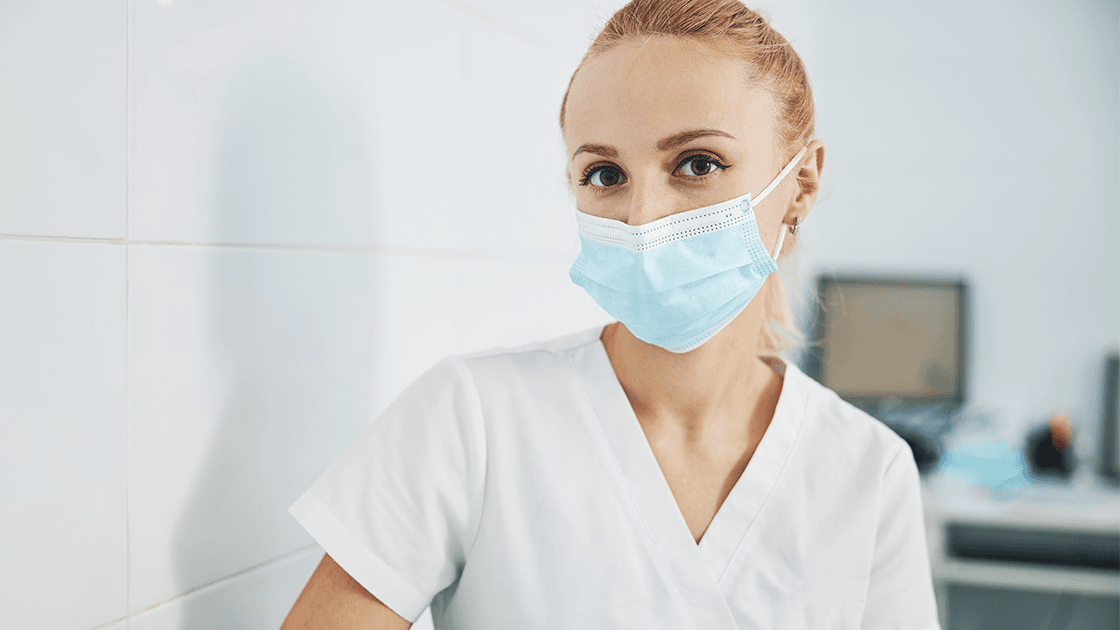
Healthcare professionals face unique skin challenges due to long hours wearing masks, exposure to hospital environments, and high-stress schedules. Prolonged mask-wearing can lead to acne mechanica, commonly known as “maskne,” as well as premature signs of aging such as fine lines, dullness, and uneven texture. Laser skin rejuvenation has emerged as a highly effective solution, offering non-invasive ways to restore skin health, stimulate collagen production, and reduce visible imperfections. This blog will explore mask-induced skin issues, the science behind laser rejuvenation, practical applications, safety considerations, and additional benefits for healthcare workers seeking radiant, resilient skin.
1. Understanding Mask-Induced Skin Challenges
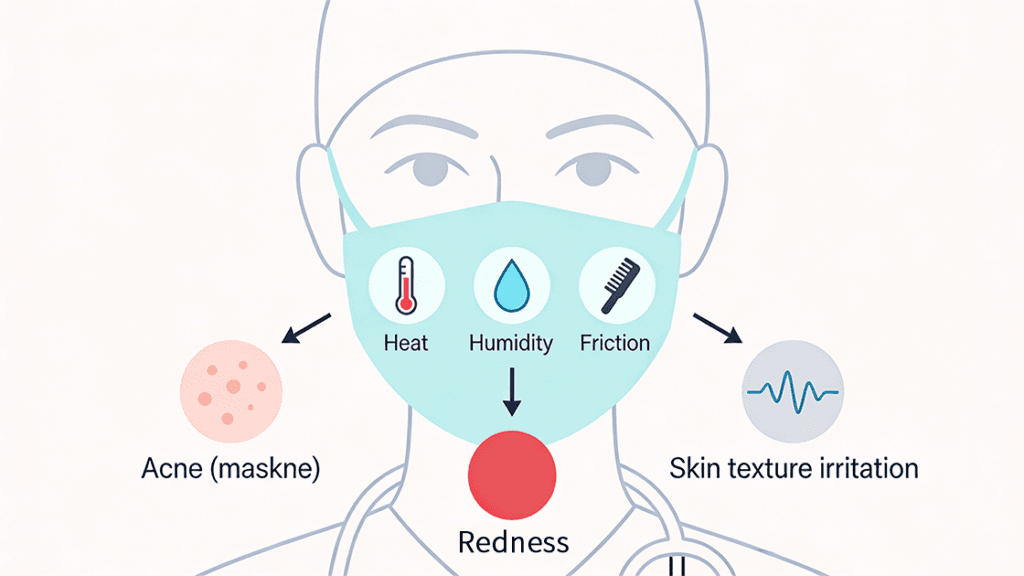
Long hours in masks create a warm, humid microenvironment that can exacerbate skin problems. Combined with stress, irregular schedules, and frequent hand-to-face contact, healthcare workers often experience unique dermatological concerns.
1.1 Acne Mechanica: The Maskne Effect
Maskne occurs when friction, heat, and trapped moisture from mask-wearing clog pores and irritate the skin. Symptoms include small pimples, redness, and inflammation, typically around the chin, cheeks, and nose. This condition can worsen with prolonged mask use or insufficient skin care routines. Laser skin rejuvenation provides a solution by reducing inflammation, targeting bacteria, and stimulating skin repair, allowing healthcare professionals to manage outbreaks while maintaining a professional appearance.
1.2 Early Signs of Aging
Extended exposure to environmental stressors, UV radiation, and oxidative stress can accelerate aging. Fine lines, loss of elasticity, and uneven skin tone become noticeable, especially in stressed individuals working long shifts. Laser treatments help stimulate collagen and elastin production, improving firmness and smoothing wrinkles. Addressing these early signs helps healthcare professionals feel confident, even in high-stress environments where masks and PPE are essential.
1.3 Additional Skin Sensitivities
Frequent hand-to-face contact, sanitizing products, and skin irritation from PPE can exacerbate redness, dryness, and sensitivity. These factors may contribute to long-term changes in skin texture if left unmanaged. Incorporating laser rejuvenation treatments can mitigate irritation, promote barrier repair, and improve overall skin resilience, making skin more resistant to environmental and occupational stressors.
2. How Laser Skin Rejuvenation Works
Laser skin rejuvenation uses targeted light energy to penetrate the skin and trigger natural repair processes. This section explains the underlying science and why it is effective for mask-related skin concerns.
2.1 Collagen Stimulation and Skin Repair
Laser energy penetrates the dermis, promoting collagen and elastin production. This strengthens the skin’s structural framework, reduces fine lines, and improves elasticity. For healthcare workers, enhanced collagen helps the skin recover from friction and irritation caused by masks, restoring a smoother, more resilient appearance.
2.2 Reducing Inflammation and Bacteria
Specific laser wavelengths have anti-inflammatory properties and can reduce acne-causing bacteria. By targeting sebaceous glands and calming inflammatory responses, laser treatments help manage maskne breakouts effectively. Regular sessions can prevent recurring irritation and maintain a balanced, clear complexion without the need for heavy topical medications.
2.3 Improving Skin Tone and Texture
Laser resurfacing techniques smooth rough patches, minimize pores, and even out skin pigmentation. The treatment stimulates cell turnover and reduces post-inflammatory hyperpigmentation from mask-induced acne. Healthcare professionals can achieve a more uniform, radiant complexion, improving self-confidence despite occupational skin stressors.
3. Practical Applications for Healthcare Professionals
Laser treatments are adaptable to busy schedules and can be tailored to target specific areas most affected by mask-wearing and early aging.
3.1 Targeted Treatments for High-Friction Areas
Focus on the chin, cheeks, and bridge of the nose where mask contact is heaviest. Fractional and Pico laser treatments can selectively address these zones, reducing acne lesions and improving skin texture without downtime. Customizing sessions ensures optimal results for professionals balancing demanding schedules and patient care responsibilities.
3.2 Quick and Efficient Sessions
Modern laser treatments are designed for minimal disruption. Sessions typically last 20-45 minutes, making it feasible for healthcare workers to schedule treatments between shifts. Even a short treatment can deliver visible results, making laser skin rejuvenation an efficient solution for professionals with limited availability.
3.3 Combining Treatments for Comprehensive Results
Laser rejuvenation can be combined with mild chemical peels or LED therapy to enhance overall outcomes. Multi-modality approaches target acne, pigmentation, and fine lines simultaneously, offering a complete skin improvement package that addresses mask-related issues holistically.
4. Safety and Considerations
While generally safe, understanding precautions ensures effective and responsible use of laser skin rejuvenation.
4.1 Skin Type Assessment
Healthcare professionals should undergo an initial skin evaluation to determine skin type and sensitivity. Tailoring laser parameters reduces the risk of irritation and ensures treatments are appropriate for the individual’s needs.
4.2 Side Effects and Downtime
Most treatments have minimal downtime, though temporary redness, mild swelling, or tingling may occur. These effects typically subside within a few hours to a couple of days. Proper post-treatment care, including sun protection and gentle skin care, maximizes results and minimizes complications.
4.3 When to Consult a Dermatologist
Severe or persistent acne, inflammatory conditions, or underlying skin disorders require professional medical evaluation before laser treatment. Laser therapy complements dermatological care but should not replace medical management for serious conditions.
5. Long-Term Benefits for Healthcare Workers
Beyond immediate improvements, regular laser skin rejuvenation offers lasting benefits that support skin health in demanding occupational environments.
5.1 Enhanced Skin Resilience
Repeated laser sessions strengthen skin structure, making it more resistant to friction, environmental stress, and irritation. This resilience reduces the recurrence of maskne and improves overall skin health.
5.2 Confidence and Professional Appearance
Clear, radiant skin enhances confidence, particularly important for healthcare workers interacting with patients daily. Laser treatments help professionals maintain a polished appearance despite long shifts and challenging conditions.
5.3 Prevention of Premature Aging
By stimulating collagen and improving skin tone, laser rejuvenation slows the progression of fine lines, dullness, and sagging. Long-term use supports youthful, healthy-looking skin, offsetting the cumulative effects of occupational stressors.
FAQ
Q1: Is laser skin rejuvenation safe for sensitive skin?
Answer: Yes, with proper evaluation and customized settings, even sensitive skin can benefit safely.
Q2: How many sessions are needed for visible results?
Answer: Typically 3-6 sessions provide noticeable improvement, depending on skin condition.
Q3: Can I resume work immediately after treatment?
Answer: Yes, most treatments have minimal downtime, allowing you to return to work the same day.
Q4: Does laser treatment help prevent future maskne?
Answer: It reduces recurrence by improving skin resilience and controlling inflammation.
Q5: Are results permanent?
Answer: Maintenance sessions are recommended, but long-term improvements in skin texture and tone are achievable.
Conclusión
Laser skin rejuvenation offers healthcare professionals a powerful, non-invasive solution to combat mask-induced acne and early signs of aging. By addressing inflammation, stimulating collagen, and improving texture, these treatments restore confidence, enhance appearance, and support long-term skin health despite the demands of frontline work.
References
Rhein Lasers – Skin Rejuvenation Treatments
https://www.rheinlasers.com/treatments/skin-rejuvenation?
American Academy of Dermatology – Acne Mechanica and Maskne
https://www.aad.org/public/diseases/acne/causes/maskne
Journal of Cosmetic and Laser Therapy – Laser Treatment for Acne and Skin Rejuvenation
https://www.tandfonline.com/doi/full/10.1080/14764172.2019.1587674