Introducción
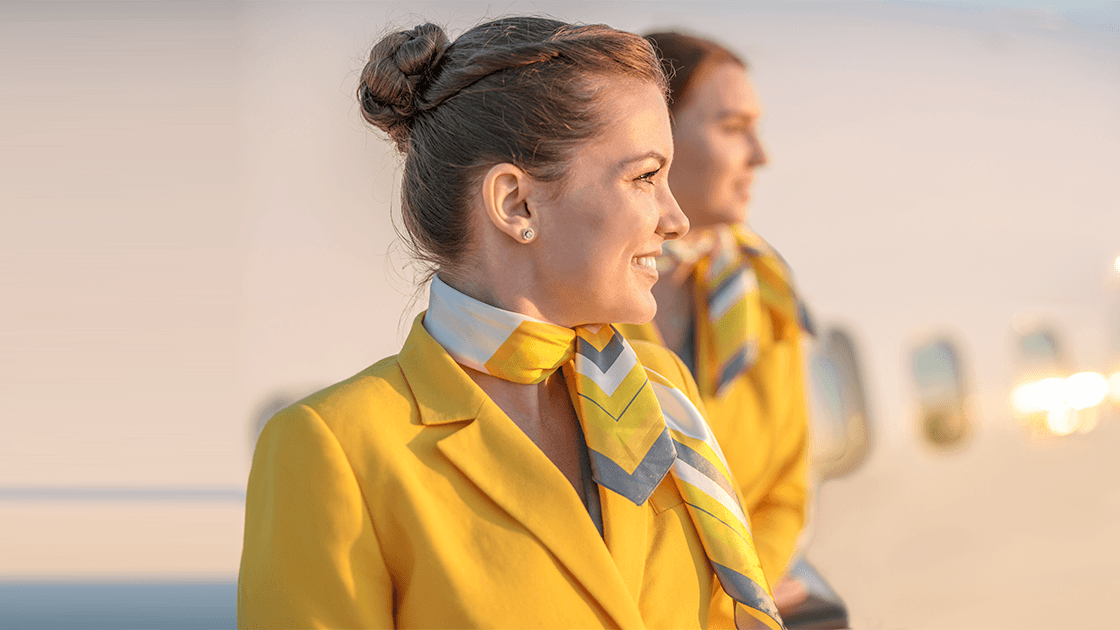
For flight attendants, maintaining healthy skin can be challenging due to the unique environmental conditions associated with frequent air travel. Long flights, dry cabin air, irregular sleep schedules, and high-altitude ultraviolet exposure can gradually lead to dehydrated, dull, and fatigued skin. Over time, these factors may weaken the skin barrier, reduce collagen production, and accelerate visible signs of skin aging. As a result, many aviation professionals are turning to advanced dermatological treatments such as laser skin rejuvenation to restore skin vitality and improve overall complexion. Laser-based aesthetic therapies have become increasingly popular in modern medical aesthetics because they offer non-invasive solutions that stimulate natural skin repair mechanisms. By targeting deeper skin layers and encouraging collagen remodeling, laser treatments can help improve hydration, reduce pigmentation, and restore a more radiant and youthful appearance.
1. Why Flight Attendants Often Experience Skin Problems
Before exploring how laser skin rejuvenation can help, it is important to understand the environmental and physiological factors that affect the skin of aviation professionals. Flight attendants spend long hours in aircraft cabins where humidity levels, pressure changes, and ultraviolet exposure differ significantly from typical ground environments. These conditions can gradually impact the skin’s hydration levels, elasticity, and overall appearance.
1.1 Low Cabin Humidity and Severe Skin Dehydration
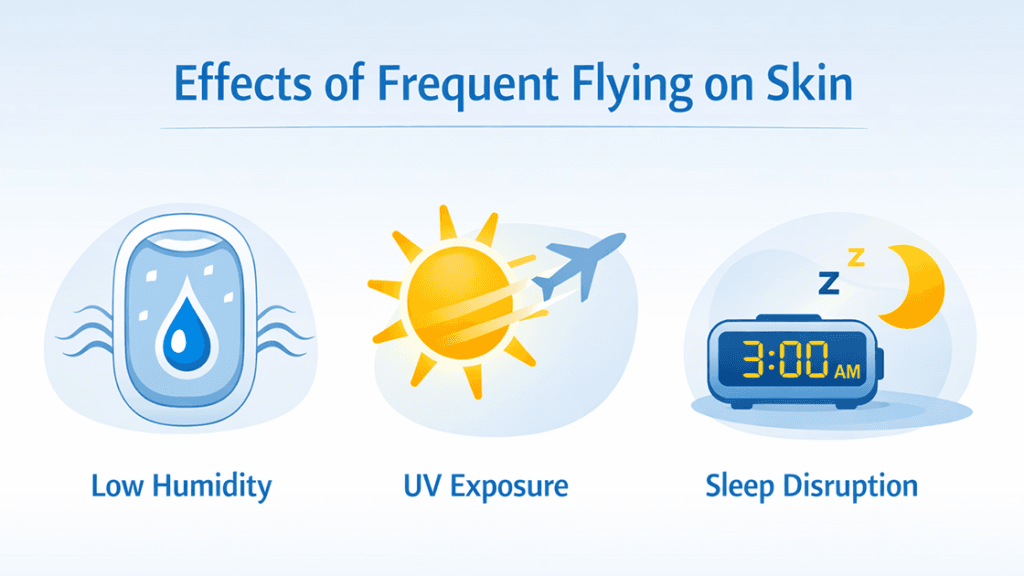
Aircraft cabins typically maintain humidity levels between 10% and 20%, which is significantly lower than the average indoor humidity of around 40–60% that human skin prefers. When the surrounding air contains very little moisture, water evaporates more rapidly from the skin surface through a process known as transepidermal water loss (TEWL). This increased water loss weakens the skin’s protective barrier and leads to dryness, flakiness, and irritation.
Over time, chronic dehydration may compromise the function of the stratum corneum, the outermost layer of the epidermis responsible for maintaining skin hydration and protecting against environmental stressors. When this barrier becomes impaired, the skin may appear dull, rough, and uneven in texture. Additionally, dehydrated skin often shows fine lines more prominently because the loss of moisture reduces skin plumpness. For flight attendants who regularly work long-haul flights, this persistent dryness can gradually contribute to premature skin aging and decreased skin radiance.
1.2 Frequent Time Zone Changes and Skin Fatigue
Another challenge faced by flight attendants is frequent travel across multiple time zones. Disruption of the body’s circadian rhythm—the internal biological clock that regulates sleep and cellular processes—can affect skin health in several ways. The skin undergoes its most active repair and regeneration processes during nighttime sleep. When sleep cycles are irregular or insufficient, these natural restorative processes may become less efficient.
Sleep deprivation can reduce the skin’s ability to repair environmental damage and maintain proper hydration. In addition, insufficient rest may increase levels of cortisol, a stress hormone that can break down collagen and weaken skin elasticity. Over time, this hormonal imbalance may contribute to dark circles, uneven skin tone, and overall skin fatigue. For individuals who frequently travel long distances, this combination of fatigue and environmental stress can accelerate visible signs of aging.
1.3 UV Exposure at High Altitude
High-altitude environments expose individuals to higher levels of ultraviolet (UV) radiation compared to ground level. Aircraft windows filter some UV radiation but do not completely block all wavelengths, particularly UVA rays, which can penetrate deeply into the dermis. Continuous exposure to UVA radiation is associated with photoaging, a process that leads to wrinkles, hyperpigmentation, and collagen degradation.
Flight attendants who spend many hours flying at cruising altitudes may experience cumulative UV exposure over time. This can trigger increased production of melanin, leading to dark spots or uneven skin pigmentation. Additionally, UV radiation can generate reactive oxygen species (ROS) that damage cellular structures and accelerate the breakdown of collagen fibers. Without effective protection or treatment, these changes may gradually alter skin tone and texture, making the complexion appear dull or aged.
2. What Is Laser Skin Rejuvenation
Modern aesthetic dermatology offers several advanced technologies to address environmental skin damage. Among them, laser skin rejuvenation has become one of the most widely used non-invasive treatments for improving skin quality. By delivering controlled energy to targeted layers of the skin, laser therapy stimulates natural biological responses that promote healing and regeneration.
2.1 Basic Principles of Laser Skin Rejuvenation
Laser skin rejuvenation is based on the principle of selective photothermolysis, a process in which specific wavelengths of laser energy target particular skin structures without damaging surrounding tissue. When laser energy penetrates the skin, it is absorbed by chromophores such as melanin, hemoglobin, or water molecules in the skin.
This absorption generates controlled heat within the dermal layer, triggering a biological response that stimulates tissue repair and remodeling. The thermal effect activates cellular regeneration pathways, encouraging the production of new collagen and elastin fibers. These proteins are essential for maintaining skin firmness, elasticity, and structural integrity.
Because laser therapy stimulates the body’s own regenerative processes rather than simply masking skin concerns, it is often used to treat a wide range of conditions including uneven skin tone, fine lines, sun damage, and enlarged pores.
2.2 How Laser Energy Stimulates Collagen Production
One of the primary goals of laser rejuvenation therapy is the stimulation of collagen synthesis. Collagen is the most abundant structural protein in the skin and plays a crucial role in maintaining firmness and elasticity. As people age or experience environmental stress, collagen production naturally declines, leading to thinner and less resilient skin.
Laser energy can activate fibroblasts, specialized cells responsible for producing collagen and extracellular matrix components. The controlled thermal stimulation from laser treatments initiates a process known as neocollagenesis, which refers to the formation of new collagen fibers.
During this process, the skin gradually replaces damaged or degraded collagen with newly synthesized fibers. Over time, this remodeling improves skin thickness, elasticity, and overall texture. For individuals experiencing dryness or dullness due to frequent air travel, enhanced collagen production can significantly improve skin resilience and appearance.
2.3 Common Types of Laser Treatments Used in Aesthetic Clinics
Several types of laser technologies are commonly used in aesthetic dermatology for skin rejuvenation. Fractional lasers are widely used because they create microscopic treatment zones within the skin, stimulating repair while leaving surrounding tissue intact. This approach promotes faster healing and reduces downtime.
Another advanced technology is the picosecond laser, which delivers ultra-short pulses of energy that target pigmentation and stimulate collagen remodeling with minimal thermal damage. These lasers are often used to treat hyperpigmentation, acne scars, and uneven skin tone.
Additionally, non-ablative lasers gently heat the dermis without removing the outer layer of skin. These treatments are particularly suitable for individuals seeking gradual skin improvement with minimal recovery time. Many aesthetic clinics combine different laser technologies to create customized treatment plans tailored to individual skin conditions.
3. Benefits of Laser Skin Rejuvenation for Flight Attendants
Given the unique environmental stress experienced during frequent flights, laser skin rejuvenation can offer several benefits specifically relevant to aviation professionals. These treatments address both surface-level concerns and deeper structural changes within the skin.
3.1 Improving Skin Hydration and Texture
Laser treatments can enhance the skin’s ability to retain moisture by strengthening the epidermal barrier. When collagen production increases and cellular turnover improves, the skin’s structure becomes more organized and resilient. This improved structure helps reduce excessive transepidermal water loss and promotes better hydration retention.
In addition, laser therapy stimulates keratinocyte activity, encouraging healthier skin cell renewal. As damaged or dehydrated cells are gradually replaced with healthier ones, the surface of the skin becomes smoother and more uniform. For flight attendants experiencing persistent dryness from low cabin humidity, this improvement in barrier function can significantly enhance skin texture and comfort.
Over time, patients often notice that their skin appears more luminous and supple. These changes result from a combination of improved hydration, enhanced circulation, and increased collagen density.
3.2 Reducing Dullness and Uneven Skin Tone
Another key benefit of laser rejuvenation is its ability to improve skin brightness and correct uneven pigmentation. Laser energy can break down excess melanin deposits, which are often responsible for dark spots and discoloration caused by sun exposure.
Once the melanin particles are fragmented, the body’s natural immune system gradually removes them through the lymphatic system. This process leads to a more balanced skin tone and reduced appearance of hyperpigmentation.
Additionally, laser treatments stimulate microcirculation in the skin, improving oxygen and nutrient delivery to skin cells. Enhanced circulation contributes to a healthier complexion and a natural glow. For flight attendants whose skin may appear tired or dull after long flights, these improvements can restore a refreshed and vibrant appearance.
3.3 Stimulating Collagen for Firmer Skin
Frequent exposure to environmental stressors can weaken collagen fibers over time, leading to decreased skin firmness. Laser therapy helps counteract this process by encouraging the production of new collagen and elastin.
As collagen levels increase, the dermal structure becomes stronger and more supportive. This improvement reduces the appearance of fine lines and helps restore natural skin elasticity. The skin gradually becomes firmer and more resilient against environmental damage.
For individuals who experience early signs of aging due to long-term travel and fatigue, collagen stimulation can play a crucial role in maintaining youthful skin quality.
4. What Happens During a Laser Skin Rejuvenation Treatment
Understanding the treatment process can help individuals feel more comfortable considering laser therapy. Modern aesthetic clinics follow standardized procedures designed to maximize safety and effectiveness.
4.1 Skin Assessment and Personalized Treatment Plans
Before undergoing laser treatment, patients typically receive a comprehensive skin evaluation from a trained aesthetic professional or dermatologist. This assessment considers several factors including skin type, pigmentation levels, hydration status, and specific concerns such as wrinkles or discoloration.
Based on this evaluation, practitioners create a personalized treatment plan tailored to the patient’s needs. Factors such as laser wavelength, pulse duration, and treatment intensity are carefully selected to achieve optimal results while minimizing risks.
Personalized treatment planning is essential because each individual’s skin responds differently to laser energy. By adjusting treatment parameters, clinicians can safely address specific skin conditions while ensuring patient comfort.
4.2 The Laser Treatment Procedure
During the procedure, the skin is first cleansed to remove oils, makeup, and impurities. A cooling gel or topical anesthetic may be applied depending on the type of laser being used.
The laser device is then passed across the treatment area, delivering controlled pulses of energy to the skin. Patients may feel a mild warming or tingling sensation during the procedure. Many modern devices incorporate cooling systems to protect the skin surface and enhance comfort.
Most treatments take between 20 and 40 minutes depending on the size of the treatment area. Because the procedure is non-invasive, patients can usually resume normal activities shortly afterward.
4.3 Recovery and Post-Treatment Skin Care
After treatment, mild redness or warmth may occur as the skin responds to the thermal stimulation. These effects typically resolve within a few hours to a few days depending on the treatment intensity.
During the recovery phase, proper skin care is essential for optimal results. Patients are usually advised to apply gentle moisturizers and broad-spectrum sunscreen to protect the treated skin from UV exposure.
Hydration, sun protection, and avoiding harsh skincare products can help support the skin’s healing process. With proper aftercare, patients often notice gradual improvements in skin texture and brightness over several weeks as collagen remodeling continues.
5. Skincare Tips for Flight Attendants Between Laser Treatments
While professional treatments can significantly improve skin condition, maintaining healthy skin between sessions is equally important. Consistent skincare habits help preserve treatment results and protect the skin from environmental stress.
5.1 Maintaining Hydration During Long Flights
Proper hydration is one of the most effective ways to protect the skin during long flights. Using moisturizers containing hyaluronic acid, glycerin, or ceramides can help retain water within the skin and strengthen the protective barrier.
In addition, applying hydrating facial mists during flights may provide temporary relief from dryness. Drinking sufficient water also supports overall skin hydration and helps maintain cellular function.
5.2 Using Sunscreen Even While Flying
Although aircraft windows provide some protection, UVA radiation can still penetrate glass surfaces. Applying a broad-spectrum sunscreen with SPF 30 or higher is an important step in preventing photoaging.
Sunscreen should be reapplied during long flights, particularly when sitting near windows. Consistent sun protection can significantly reduce cumulative UV damage over time.
5.3 Supporting Skin Health with Nutrition and Rest
Healthy skin also depends on internal factors such as nutrition and sleep quality. Consuming foods rich in antioxidants, vitamins C and E, and omega-3 fatty acids can help protect skin cells from oxidative stress.
Adequate sleep allows the skin to perform natural repair processes. Establishing consistent sleep routines whenever possible can help support skin regeneration and maintain overall health.
6. Who Is a Good Candidate for Laser Skin Rejuvenation
Laser skin rejuvenation is suitable for many individuals seeking non-invasive skin improvement, particularly those exposed to environmental stressors.
6.1 Professionals with Frequent Travel Schedules
Individuals who travel frequently, such as flight attendants, pilots, and business travelers, often experience skin dehydration and fatigue. Laser rejuvenation treatments can help restore skin vitality and counteract these effects.
6.2 Individuals with Early Signs of Skin Aging
People who notice early signs of aging—including fine lines, uneven skin tone, or reduced skin elasticity—may benefit from collagen-stimulating laser treatments.
6.3 People Seeking Non-Surgical Skin Improvement
Many individuals prefer non-surgical aesthetic solutions that require minimal downtime. Laser rejuvenation provides gradual, natural improvements without invasive procedures.
FAQ
Is laser skin rejuvenation safe for frequent travelers?
Yes, when performed by trained professionals using appropriate equipment, laser treatments are generally considered safe for individuals with busy travel schedules.
How many sessions are usually required?
Most patients require multiple sessions spaced several weeks apart to achieve optimal results, depending on their skin condition.
Does laser skin rejuvenation involve downtime?
Many non-ablative laser treatments involve minimal downtime, allowing patients to return to daily activities shortly after treatment.
Can laser treatments help reduce sun damage?
Yes, certain lasers are designed to target pigmentation and stimulate collagen, helping improve skin tone affected by UV exposure.
¿Cuánto duran los resultados?
Results vary depending on skin condition and lifestyle factors, but improvements can last for several months or longer with proper skincare.
Conclusión
For flight attendants and other frequent travelers, maintaining healthy skin can be challenging due to low cabin humidity, irregular sleep patterns, and increased ultraviolet exposure. Over time, these factors can contribute to dehydration, dullness, and early signs of skin aging. Laser skin rejuvenation offers an advanced, non-invasive solution that addresses these concerns by stimulating collagen production, improving skin hydration, and correcting pigmentation. When combined with consistent skincare practices and sun protection, laser treatments can help restore a radiant complexion and improve long-term skin health. As aesthetic technologies continue to evolve, laser rejuvenation is becoming an increasingly valuable option for individuals seeking effective, science-based skin care solutions.
References
Laser Skin Resurfacing and Skin Rejuvenation
https://www.ncbi.nlm.nih.gov/books/NBK459361
Laser and Light-Based Therapies for Skin Rejuvenation
https://www.ncbi.nlm.nih.gov/pmc/articles/PMC2921758
Fractional Laser Treatment for Skin Rejuvenation
https://www.ncbi.nlm.nih.gov/pmc/articles/PMC3580986
Effects of Ultraviolet Radiation on Skin
https://www.who.int/news-room/fact-sheets/detail/ultraviolet-radiation
Skin Barrier Function and Transepidermal Water Loss