Introducción
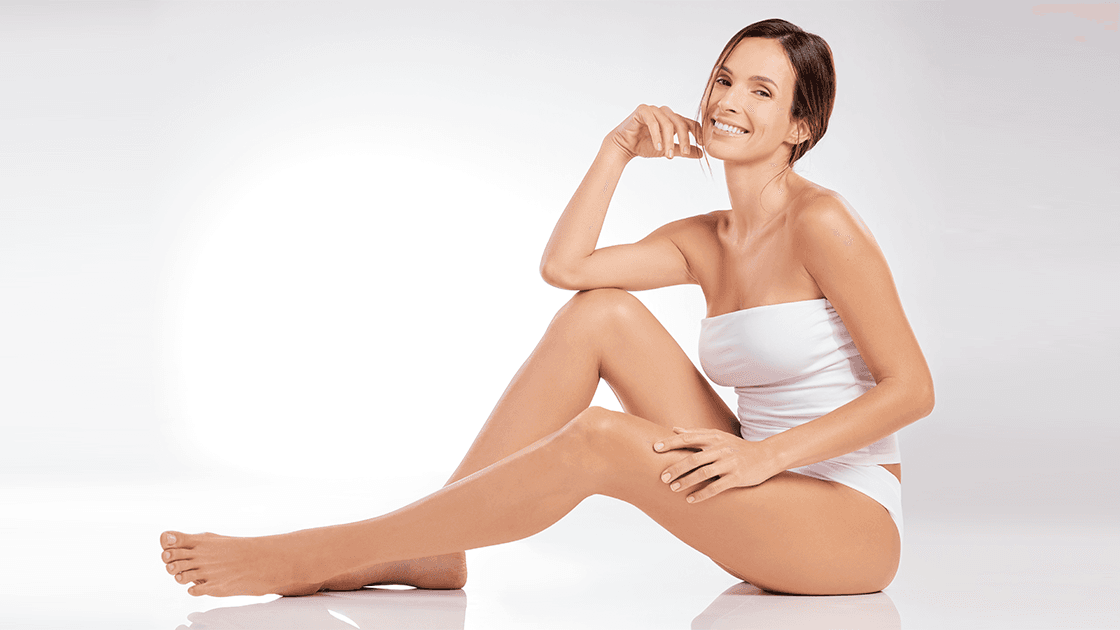
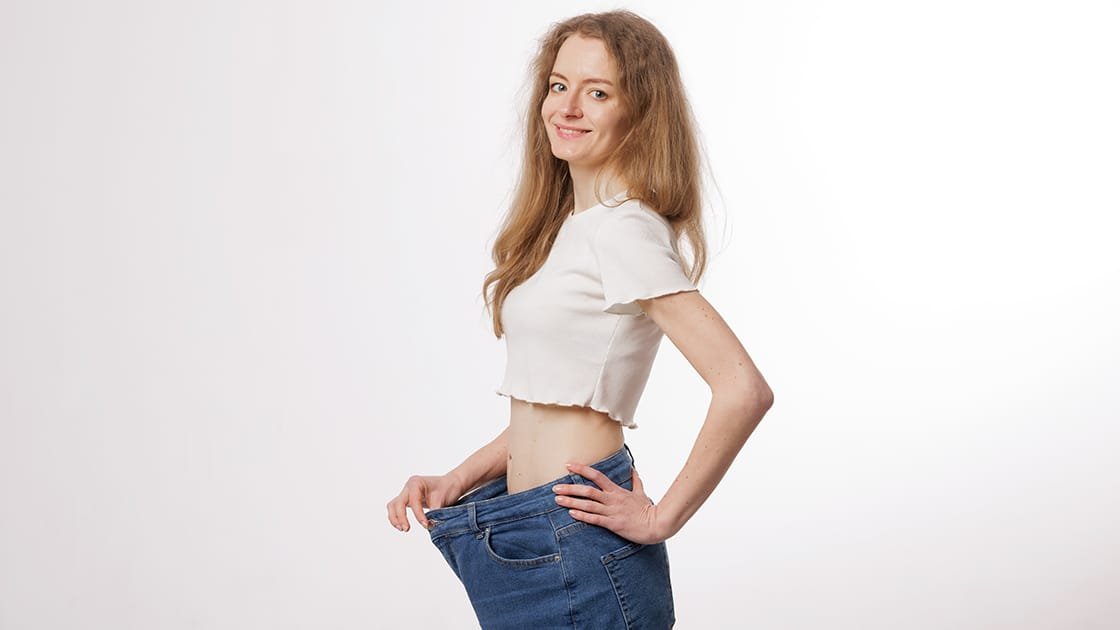
Body contouring is no longer limited to individuals seeking weight reduction. In modern aesthetic medicine, a growing number of slim and normal-weight individuals are turning to non-invasive technologies to improve body definition, enhance symmetry, and refine overall silhouette. Instead of focusing on reducing body size, the emphasis has shifted toward improving contour sharpness and skin firmness. Advanced laser and radiofrequency-based systems are now widely used in aesthetic clinics to support localized fat management and skin tightening without surgery or downtime.
1 Why Slim Individuals Still Seek Body Contouring
1.1 Localized Fat Deposits Affecting Body Proportion
Even individuals with low or average body weight may experience localized fat accumulation in areas such as the abdomen, waist, thighs, or upper arms. These small deposits do not significantly change body weight but can affect visual balance and symmetry. As aesthetic expectations evolve, more attention is placed on proportional refinement rather than overall size reduction.
1.2 Mild Skin Laxity Without Weight Gain
Skin elasticity naturally declines due to aging, hormonal changes, and environmental exposure. As a result, even without weight gain, some individuals may notice reduced firmness in specific areas. This mild laxity can affect body definition and lead to a less sculpted appearance, increasing interest in non-invasive tightening solutions.
2 Shift in Aesthetic Goals: From Weight Loss to Body Definition
2.1 Focus on Shape, Not Scale
Modern aesthetic trends prioritize body shape, proportion, and contour definition over weight reduction. Individuals increasingly aim for a more sculpted appearance, where transitions between body areas are smooth and visually balanced.
2.2 Influence of Digital and Visual Culture
High-resolution imaging and digital media platforms have increased awareness of subtle body details. Minor irregularities in contour or skin texture are now more visible, driving demand for precise aesthetic refinement technologies.
3 How Laser and Radiofrequency Technologies Support Body Contouring
3.1 Laser-Based Fat Targeting
Medical aesthetic laser systems use controlled energy to target localized fat cells. This approach allows practitioners to address specific areas such as the abdomen or thighs while minimizing impact on surrounding tissues. The goal is precision-based contour refinement rather than general volume reduction.
3.2 Radiofrequency Skin Tightening
Radiofrequency technology delivers controlled thermal energy to the dermal layer, stimulating collagen production. This process helps improve skin elasticity and firmness, which is essential for achieving smooth and natural-looking body contours.
3.3 Combined Energy Approaches for Enhanced Results
Many modern aesthetic platforms integrate both laser and radiofrequency technologies. This combined approach allows simultaneous fat targeting and skin tightening, resulting in improved contour definition and overall skin quality enhancement.
4 Why Slim Body Contouring Differs From Traditional Fat Reduction
4.1 Refinement Instead of Reduction
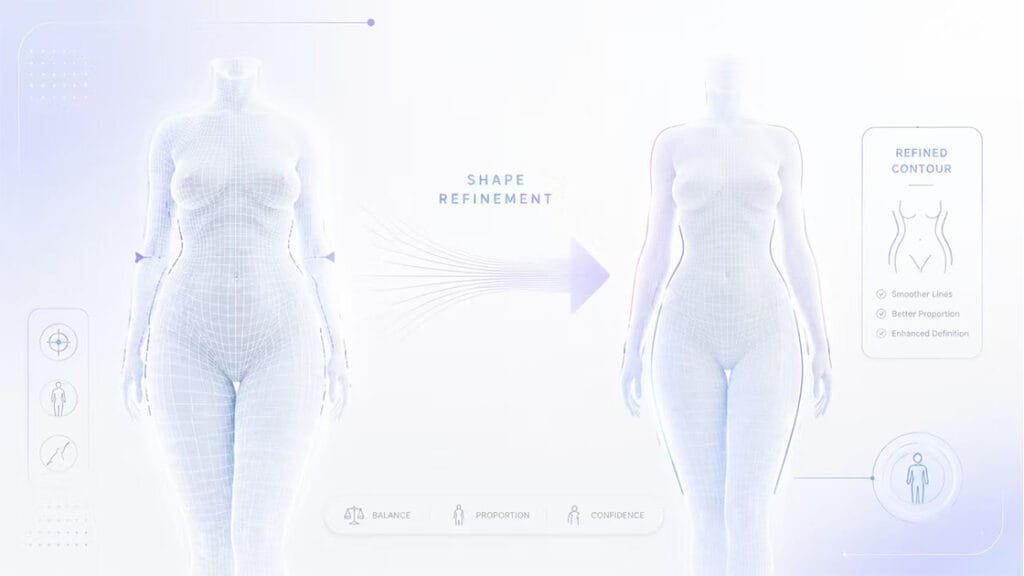
Unlike traditional fat reduction procedures, slim body contouring focuses on refining existing body shape. The objective is not to significantly reduce size but to enhance definition and improve proportional balance.
4.2 Precision-Oriented Treatment Design
Slim individuals require highly precise treatment strategies because small adjustments can significantly impact overall appearance. Adjustable energy settings in modern devices allow for personalized treatment planning based on individual anatomy and goals.
5 Growing Demand for Non-Invasive Aesthetic Body Contouring
5.1 No Downtime and Minimal Disruption
Non-invasive body contouring technologies are increasingly preferred due to their convenience. These treatments typically require no recovery time, allowing individuals to continue daily activities without interruption.
5.2 Integration of Multi-Technology Platforms
The aesthetic industry is shifting toward integrated systems that combine fat reduction, skin tightening, and texture improvement. This multi-functional approach provides more comprehensive and natural-looking body contour enhancement.
FAQ
Why do slim people need body contouring?
Because body contouring is not only about fat reduction, but also about improving body definition, proportion, and skin firmness.
What areas are commonly treated?
Common areas include the abdomen, waist, thighs, and upper arms.
How does laser body contouring work?
It uses controlled laser energy to target fat cells and radiofrequency energy to improve skin tightness through collagen stimulation.
Is this treatment only for overweight individuals?
No, it is increasingly used by slim individuals seeking improved body definition.
Does it require downtime?
Non-invasive laser and RF-based procedures generally require no downtime.
Conclusión
Body contouring has evolved from a weight-loss-focused procedure into a precision-based aesthetic approach centered on definition and proportion. Slim individuals are increasingly seeking non-invasive laser and radiofrequency technologies to refine body shape, improve skin firmness, and enhance overall contour clarity. As aesthetic preferences continue to shift toward subtle refinement and natural-looking results, non-invasive body contouring is expected to remain a key trend in modern cosmetic treatments.
References
Journal of Cosmetic Dermatology – Advances in Non-Invasive Body Contouring
https://onlinelibrary.wiley.com/journal/14732165
Lasers in Surgery and Medicine – Energy-Based Devices for Body Contouring
https://onlinelibrary.wiley.com/journal/10969101
Aesthetic Surgery Journal – Trends in Non-Surgical Body Shaping
National Library of Medicine – Radiofrequency and Laser Applications in Aesthetic Medicine
https://www.ncbi.nlm.nih.gov/pmc
American Society for Dermatologic Surgery – Non-Invasive Body Contouring Overview