Introducción
Hormonal fluctuations significantly influence skin structure, elasticity, and overall appearance, especially during conditions such as PCOS or menopause. These internal changes often lead to shifts in sebum production, collagen balance, pigmentation activity, and dermal thickness.Practitioners widely use aesthetic laser technologies, including advanced RF (radiofrequency) and laser-based systems, in dermatology and med spa environments to support skin aging, improve texture, and help restore a more balanced skin appearance without invasive procedures. This article explores how energy-based skin treatments interact with hormonally influenced skin changes and why practitioners increasingly integrate them into modern aesthetic care routines.
1. Hormonal Changes and Their Impact on Skin Structure
1.1 Estrogen Decline and Collagen Reduction
Hormonal shifts, especially reduced estrogen levels, can directly affect collagen synthesis in the dermal layer. As collagen density decreases, skin may appear thinner, less elastic, and more prone to fine lines. Laser-based skin stimulation technologies are often used in aesthetic settings to support dermal activity by delivering controlled energy into deeper skin layers.
1.2 Androgen Imbalance and Sebum Regulation
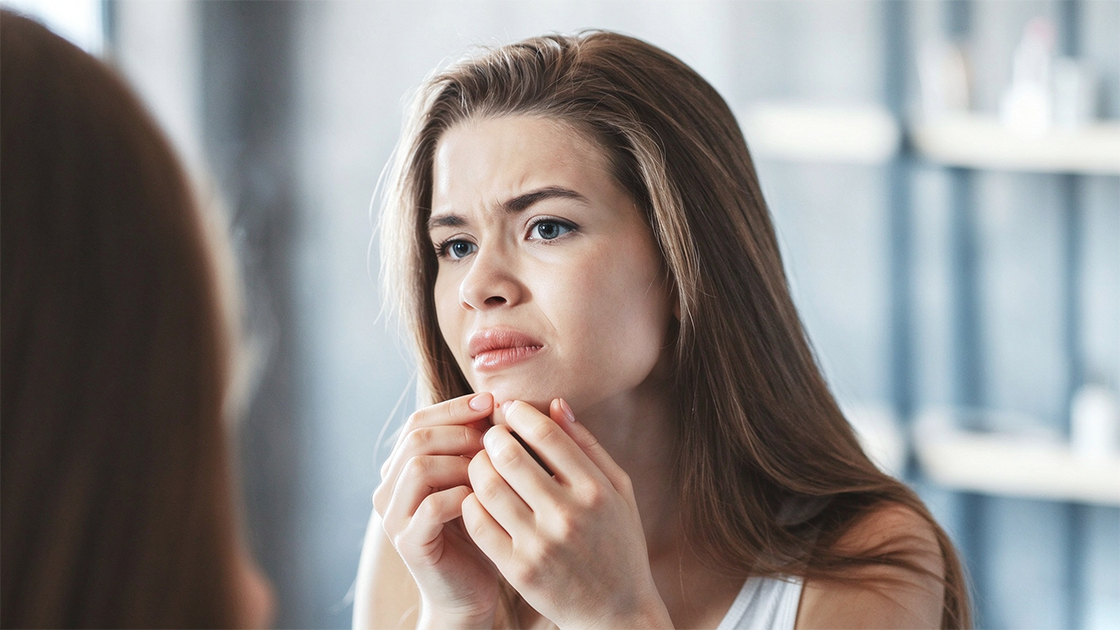
In conditions like PCOS, elevated androgen activity can increase sebum production and contribute to acne-prone skin. This imbalance often leads to post-inflammatory marks and uneven texture. Practitioners frequently integrate energy-based skin treatments into skincare protocols to help refine skin texture and improve overall surface smoothness.
1.3 Skin Barrier Sensitivity and Inflammation Response
Hormonal instability can also increase skin sensitivity and inflammatory reactions. This may result in redness, uneven tone, or slower recovery from minor skin stress. Practitioners use controlled thermal and light-based technologies to support a more stable skin environment and improve tolerance to external factors.
2. Laser and RF Energy Interaction with Aging Skin
2.1 Dermal Heating and Collagen Stimulation
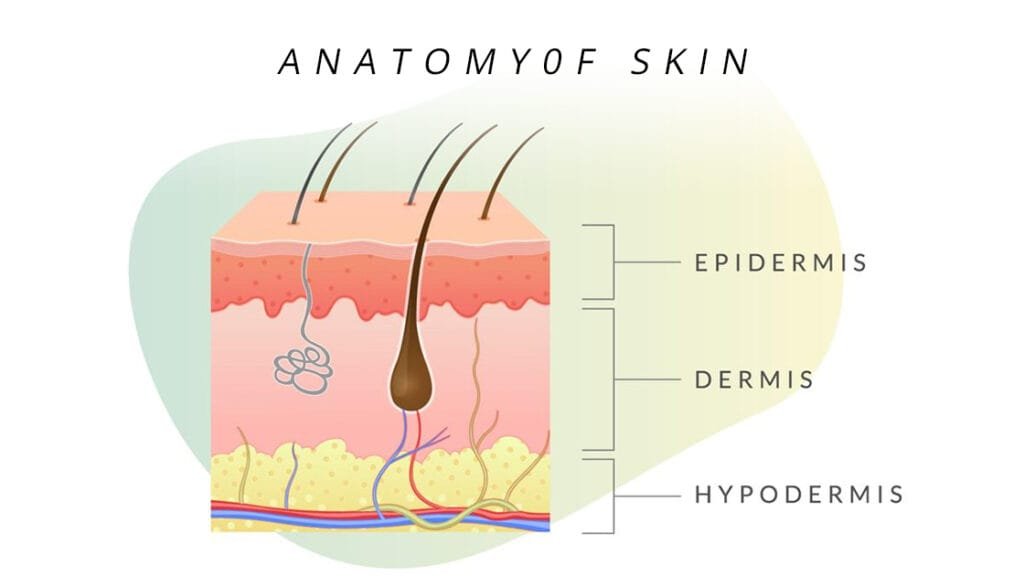
RF and laser systems deliver controlled energy into the dermis, where mild thermal stimulation encourages natural collagen remodeling processes. This mechanism supports gradual improvement in skin firmness and elasticity over time, especially in hormonally affected skin.
2.2 Skin Remodeling and Texture Refinement
Energy-based devices can influence fibroblast activity within the skin matrix. This contributes to smoother texture and improved skin uniformity. The process is gradual and aligns with the skin’s natural regeneration cycle, making it suitable for long-term aesthetic maintenance.
3. Common Hormonal Skin Concerns in Aesthetic Practice
3.1 Menopause-Related Skin Thinning
During menopause, reduced estrogen levels often lead to noticeable skin thinning, especially in facial and neck regions. This change can affect skin resilience and overall smoothness. Laser-based skin rejuvenation approaches are commonly used to support structural integrity and surface refinement.
3.2 PCOS-Related Acne and Post-Acne Marks
Clinicians often associate PCOS with persistent acne activity and post-inflammatory pigmentation. These conditions can leave uneven tone and texture irregularities. Clinicians frequently use aesthetic energy devices to support skin clarity and improve surface uniformity over time.
3.3 Hormonal Pigmentation Changes
Hormonal fluctuations may influence melanin activity, resulting in uneven pigmentation patterns. These changes often appear gradually and can be addressed through controlled energy-based skin treatments designed to promote balanced tone appearance.
4. Role of Advanced Aesthetic Laser Platforms in Skin Rejuvenation
4.1 Multi-Mode Energy Delivery Systems
Modern aesthetic platforms often combine RF and laser energy within a single system. This allows practitioners to target different skin layers with controlled precision. Such systems are commonly used in med spa environments for non-invasive skin rejuvenation procedures.
4.2 Controlled Thermal Stimulation and Safety Profile
Manufacturers design energy-based skin devices to deliver controlled thermal stimulation without damaging surrounding tissue. This makes them suitable for addressing delicate skin conditions that accompany hormonal changes, where hormonal changes may increase sensitivity.
5. Clinical Application Scenarios in Hormonal Skin Management
5.1 Facial Skin Laxity and Jawline Definition
One common concern during hormonal aging is reduced firmness along the jawline and cheeks. Clinicians often apply RF-based skin tightening protocols to these areas to support improved contour definition and skin firmness.
5.2 Neck and Décolleté Aging
The neck and upper chest areas are particularly sensitive to hormonal skin changes. These regions often show early signs of laxity and texture variation. Laser-based rejuvenation approaches are used to improve surface smoothness and overall skin tone consistency.
5.3 Uneven Texture and Skin Dullness
Hormonal imbalance can lead to dull-looking skin with uneven texture. Energy-based treatments are commonly integrated into aesthetic care routines to support smoother skin appearance and enhanced radiance over time.
FAQ
What is hormonal skin aging?
Hormonal skin aging refers to changes in skin structure and appearance caused by fluctuations in hormones such as estrogen and androgens.
Can laser treatments help hormonal skin changes?
Yes, practitioners often use energy-based skin technologies to support skin texture, firmness, and overall appearance in hormonally influenced skin conditions.
Is RF technology suitable for sensitive skin?
Controlled RF systems are designed to deliver gradual thermal energy, making them suitable for many sensitive skin types when used appropriately.
How does PCOS affect skin appearance?
PCOS can influence oil production, acne formation, and post-inflammatory pigmentation, leading to uneven skin texture and tone.
Are these treatments surgical?
No, these are non-invasive aesthetic approaches that use controlled energy rather than surgical intervention.
Conclusión
Hormonal changes play a significant role in skin aging patterns, influencing collagen structure, pigmentation balance, and overall texture. Advanced RF and laser-based aesthetic technologies provide a non-invasive approach to support skin rejuvenation and improve visible signs of hormonal skin aging. When integrated into professional skincare routines, these systems help maintain smoother, more balanced skin appearance and support long-term aesthetic goals.
References
Photobiomodulation and Skin Remodeling Mechanisms
https://www.ncbi.nlm.nih.gov/pmc/articles/PMC4743666/
Hormonal Influence on Skin Aging and Structure
https://www.ncbi.nlm.nih.gov/pmc/articles/PMC3583892/
Radiofrequency in Dermatologic and Aesthetic Applications
https://www.ncbi.nlm.nih.gov/pmc/articles/PMC5843356/
Skin Barrier and Hormonal Regulation Review
https://pubmed.ncbi.nlm.nih.gov/30804305/
Energy-Based Devices in Aesthetic Dermatology Overview
https://www.sciencedirect.com/science/article/pii/S2352647518300150