
Einführung
Years of outdoor activities can leave visible and long-lasting effects on the skin. Retired hikers, gardeners, golfers, boaters, and fishing enthusiasts often experience wrinkles, uneven pigmentation, rough texture, and reduced elasticity caused by cumulative ultraviolet exposure. As skin imaging, these concerns become more noticeable because collagen production slows and the skin barrier weakens naturally. Modern aesthetic technology now offers advanced non-invasive solutions that support skin assessment, skin rejuvenation, and targeted light-based therapy without disrupting daily activities. High-precision optical systems, fractional laser technologies, and intelligent skin analysis platforms allow aging individuals to monitor visible skin changes more accurately while supporting healthier skin appearance and texture over time.
1. Understanding Long-Term Sun Damage in Aging Skin
Long-term ultraviolet exposure affects both the surface and deeper structural layers of the skin. Retired outdoor enthusiasts often develop photoaging gradually over decades, making skin concerns more difficult to reverse once collagen degradation becomes advanced.
1.1 How Ultraviolet Radiation Changes Skin Structure
Ultraviolet radiation penetrates the epidermis and dermis, disrupting fibroblast activity and accelerating collagen fragmentation. As elastin fibers weaken, the skin loses firmness and begins developing fine lines, sagging, and rough texture. Chronic UV exposure also stimulates melanocyte overactivity, which contributes to solar lentigines, uneven pigmentation, and age spots. In mature skin, slower cellular turnover allows damaged cells to remain longer on the surface, causing dullness and textural irregularities. Advanced laser-based skin analysis systems can now visualize these structural changes through high-resolution optical imaging, allowing practitioners to evaluate pigmentation depth, vascular changes, and collagen condition more accurately without invasive procedures.
1.2 Why Sun Damage Becomes More Visible After Retirement
Many outdoor enthusiasts spend decades under sunlight before noticing significant changes in skin quality. During retirement, reduced collagen synthesis and lower skin hydration levels make accumulated photodamage more visible. Fine wrinkles deepen, pigmentation darkens, and elasticity decreases noticeably around the cheeks, forehead, neck, and hands. Environmental stress also weakens microcirculation, which can increase redness and uneven tone. Modern light-based rejuvenation technologies help support aging skin by improving skin texture appearance and promoting smoother visual tone through controlled photothermal stimulation. In addition, intelligent skin imaging platforms provide detailed comparisons over time, helping individuals observe changes in pigmentation and skin density more clearly.
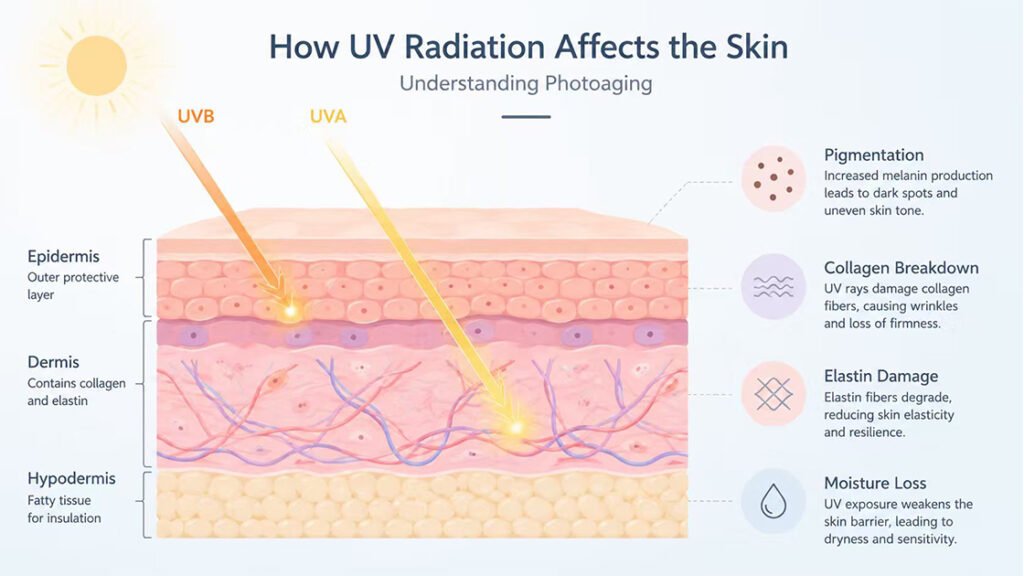
2. Skin Challenges Common Among Retired Outdoor Enthusiasts
Outdoor hobbies expose the skin to environmental stressors repeatedly over many years. As a result, aging outdoor enthusiasts often experience multiple visible skin concerns simultaneously rather than a single isolated issue.
2.1 Hyperpigmentation and Uneven Skin Tone
Hyperpigmentation develops when repeated UV exposure overstimulates melanin production. Many retired outdoor enthusiasts notice brown spots, patchy discoloration, and uneven tone across sun-exposed areas including the face, chest, shoulders, and hands. These pigmentation irregularities often become more resistant as skin ages because melanocyte activity remains unstable. Fractional laser technologies and selective photothermal systems are widely used in aesthetic skincare environments to target visible pigmentation while supporting smoother overall skin appearance. Advanced optical devices can also analyze melanin distribution beneath the skin surface, allowing professionals to identify hidden pigmentation clusters before they become fully visible externally.
2.2 Wrinkles, Texture Changes, and Loss of Elasticity
Collagen degradation caused by photoaging gradually changes the skin’s structural integrity. Mature outdoor enthusiasts commonly develop rough texture, enlarged pores, fine lines, and sagging around highly exposed facial regions. Repeated ultraviolet exposure weakens dermal support fibers, reducing elasticity and skin density over time. Modern non-invasive laser systems support skin revitalization by delivering controlled thermal energy into targeted layers of the skin. This process helps encourage collagen remodeling and smoother surface texture appearance. Many advanced devices also feature adjustable pulse duration and energy settings, allowing more personalized skin rejuvenation support based on skin sensitivity and visible aging severity.
3. The Role of Advanced Aesthetic Technology in Skin Assessment
Technology plays a central role in modern skin management because accurate assessment improves long-term monitoring and skin maintenance strategies. Non-invasive imaging systems now provide detailed information regarding pigmentation, vascular irregularities, pore visibility, and skin texture.
3.1 High-Resolution Optical Skin Imaging Systems
Modern optical skin imaging platforms use multispectral analysis and polarized light technology to evaluate skin condition beyond what the naked eye can detect. These systems assess pigmentation depth, vascular activity, hydration balance, pore visibility, and collagen distribution with exceptional precision. Retired outdoor enthusiasts benefit from these technologies because cumulative sun damage often develops beneath the surface before becoming visually pronounced. High-resolution imaging allows professionals to monitor progression over time while creating more individualized skincare planning. Some systems also generate comparative visual reports, helping individuals understand how environmental exposure affects skin quality gradually throughout the aging process.
3.2 Intelligent Skin Monitoring for Long-Term Maintenance
Long-term skin monitoring has become increasingly important for aging individuals who maintain active outdoor lifestyles. Intelligent skin analysis platforms now combine imaging technology with AI-supported diagnostic functions to identify subtle changes in skin texture and pigmentation more efficiently. These systems help track visible aging markers including wrinkle depth, redness, UV spots, and elasticity decline. Consistent imaging comparisons allow individuals to observe how lifestyle habits influence skin condition over time. For retired outdoor enthusiasts, regular assessments support earlier awareness of cumulative environmental stress while helping maintain healthier-looking skin through proactive observation and personalized maintenance planning.
4. Non-Invasive Laser Technologies for Aging Skin Support
Modern laser-based technologies provide multiple options for supporting aging skin without requiring surgical intervention or extended downtime. These systems use precise energy delivery to target visible skin concerns associated with chronic sun exposure.
4.1 Fractional Laser Systems and Skin Revitalization
Fractional laser systems create controlled microthermal zones within targeted skin layers while preserving surrounding tissue integrity. This selective energy delivery supports collagen remodeling and helps improve the visible appearance of fine lines, uneven texture, and photoaged skin. Retired outdoor enthusiasts often prefer fractional technologies because they support gradual skin revitalization while minimizing disruption to daily activities. Adjustable treatment parameters also allow professionals to adapt energy intensity according to skin sensitivity and aging severity. In modern aesthetic environments, fractional laser platforms are commonly integrated into broader skin maintenance programs focused on texture refinement and visible rejuvenation support.
4.2 Precision Energy Delivery for Pigmentation Concerns
Selective light-based systems target visible pigmentation irregularities using wavelengths designed to interact with melanin-rich areas. Controlled photothermal energy helps improve the appearance of age spots and uneven tone while preserving surrounding tissue. Advanced platforms often include intelligent cooling systems and customizable pulse configurations that improve comfort and precision during skin rejuvenation sessions. For aging outdoor enthusiasts, these technologies support smoother skin appearance while addressing visible signs of cumulative UV exposure. In addition, modern laser devices frequently incorporate ergonomic treatment designs and real-time parameter adjustment capabilities that improve consistency during aesthetic skin management procedures.
5. Maintaining Healthy Skin While Enjoying Outdoor Activities
Retirement often provides more opportunities for outdoor recreation, making long-term skin maintenance increasingly important. Combining preventive awareness with advanced skin technologies supports healthier aging while preserving lifestyle freedom.
5.1 Preventive Skin Monitoring and Environmental Awareness
Routine skin observation helps individuals recognize pigmentation changes, texture irregularities, and visible aging markers earlier. Modern imaging technologies allow detailed evaluation of UV-related skin changes without invasive procedures, making regular assessments more convenient for aging individuals. Environmental awareness also remains important because reflective surfaces such as water and sand intensify ultraviolet exposure significantly. Retired outdoor enthusiasts who continue spending time outdoors often benefit from combining preventive habits with periodic optical skin evaluations to maintain healthier-looking skin and monitor cumulative environmental impact more effectively over time.
5.2 Combining Technology with Long-Term Skin Maintenance
Advanced laser technologies and intelligent imaging systems now play a valuable role in long-term aesthetic skin management. Personalized skin analysis allows more targeted observation of pigmentation, elasticity decline, and textural changes associated with photoaging. Many non-invasive devices also support ongoing skin revitalization through controlled energy-based stimulation designed for aging skin concerns. For retired outdoor enthusiasts, integrating modern skin technologies into regular maintenance routines provides greater awareness of skin condition while supporting confidence and overall appearance. This balanced approach allows individuals to continue enjoying outdoor lifestyles while minimizing the visible effects of cumulative sun exposure.
FAQ
Q1: Why do retired outdoor enthusiasts develop more visible sun damage?
Years of cumulative ultraviolet exposure gradually weaken collagen fibers, increase pigmentation irregularities, and reduce skin elasticity, making photoaging more noticeable later in life.
Q2: How do optical skin imaging systems help assess sun damage?
These systems analyze pigmentation, vascular changes, pore visibility, and skin texture using advanced light-based imaging technology without invasive procedures.
Q3: Are fractional laser technologies commonly used for aging skin concerns?
Yes. Fractional laser systems are widely used in aesthetic environments to support skin revitalization and improve the appearance of texture irregularities and fine lines.
Q4: Can non-invasive laser systems support pigmentation management?
Modern light-based technologies target visible pigmentation using selective wavelengths designed to interact with melanin-rich areas more precisely.
Q5: Why is regular skin monitoring important for active retirees?
Routine monitoring helps identify gradual changes in pigmentation, elasticity, and texture earlier, supporting long-term skin maintenance and healthier skin appearance.
Schlussfolgerung
Cumulative sun exposure creates visible and structural skin changes that often become more pronounced during retirement. Outdoor enthusiasts commonly experience hyperpigmentation, texture irregularities, collagen loss, and reduced elasticity after decades of environmental exposure. Modern aesthetic technologies now provide advanced non-invasive solutions for skin analysis, skin monitoring, and laser-based skin revitalization support. High-resolution imaging systems, intelligent optical analysis platforms, and precision laser technologies help aging individuals better understand and manage visible photoaging concerns while maintaining active lifestyles. By combining preventive awareness with advanced skin technology, retired outdoor enthusiasts can support healthier, smoother, and more resilient skin throughout the aging process.
References
Photodamage and Its Clinical Assessment
https://www.ncbi.nlm.nih.gov/pmc/articles/PMC2655849
The Effects of Chronic Sun Exposure on Skin Aging
https://www.sciencedirect.com/science/article/pii/S0738081X16302105
Non-Invasive Light-Based Technologies in Dermatology
https://www.ncbi.nlm.nih.gov/pmc/articles/PMC6777848
Skin Changes in Aging Adults
https://www.aad.org/public/diseases/aging-skin
Preventive Strategies for Sun-Induced Skin Damage