Введение
Acne-prone skin is one of the most common skin concerns among people of different ages. Factors such as excess sebum production, environmental stress, skin texture changes, and daily lifestyle habits may affect the overall appearance of the skin. As skincare technology continues to develop, laser has become an important option in modern aesthetic care. Through controlled light energy, advanced laser systems can support skin rejuvenation processes, improve the appearance of uneven skin texture, and help users maintain healthier-looking skin. By combining professional knowledge with innovative light-based technology, laser skincare provides a non-invasive approach for individuals who want to enhance their overall skin appearance.
1. Understanding Laser Technology for Acne-Prone Skin
1.1 What Is Laser Technology in Modern Skincare?
Laser technology in skincare uses focused light energy to interact with targeted skin areas. Unlike traditional skincare products that mainly work on the surface layer, laser systems use specific wavelengths of light to influence different layers of the skin.
Modern aesthetic laser technology often involves controlled energy delivery, allowing professionals to adjust treatment parameters according to different skin conditions and goals. Depending on the wavelength and settings, laser energy can support processes related to skin renewal, collagen activity, and overall skin texture improvement.
For acne-prone skin, laser technology is commonly explored as part of a broader skincare strategy focused on improving visible skin concerns, supporting skin balance, and enhancing overall appearance.
1.2 Why Acne-Prone Skin Requires Advanced Skincare Technology
Acne-prone skin often involves multiple visible concerns, including uneven texture, enlarged pores, excess oil appearance, and post-acne marks. Traditional skincare routines can support daily skin maintenance, but some individuals look for advanced technologies that provide additional support.
Laser skincare technology focuses on using controlled light energy to address specific appearance-related concerns. By targeting selected skin areas, laser systems can help support skin renewal processes and promote a smoother-looking complexion.
The increasing interest in aesthetic laser reflects a growing demand for personalized skincare solutions that combine science, convenience, and professional techniques.
1.3 The Role of Light Wavelengths in Laser Skin Care
Wavelength selection plays an important role in laser skincare technology. Different wavelengths interact with skin tissue in different ways, allowing professionals to select suitable parameters for various aesthetic goals.
Many modern aesthetic laser systems use specific wavelengths designed for applications such as skin rejuvenation, pigmentation appearance improvement, and overall skin texture support.
Laser platforms that combine different wavelength options provide greater flexibility for skincare professionals because they can adjust energy delivery based on individual skin needs.
2. How Laser Technology Supports Acne-Prone Skin Appearance
Laser therapy does not focus only on surface-level improvements. Instead, it works through controlled light interaction with skin structures, supporting natural skin processes.
2.1 Photothermal Effects and Skin Renewal Processes
One important principle behind many aesthetic laser technologies is the photothermal effect. This process occurs when light energy is absorbed by targeted structures within the skin and converted into controlled thermal energy.
The controlled energy interaction may support collagen remodeling and encourage natural skin renewal activities. Collagen is an important structural protein that contributes to skin firmness and elasticity.
For individuals with acne-prone skin, maintaining healthy-looking skin texture is often a key goal. Laser therapy provides a modern approach that focuses on supporting skin quality and appearance.
2.2 Laser Technology and Uneven Skin Texture
Uneven skin texture is a common concern among people with acne-prone skin. Visible roughness, enlarged pores, and irregular skin surfaces can affect confidence and overall appearance.
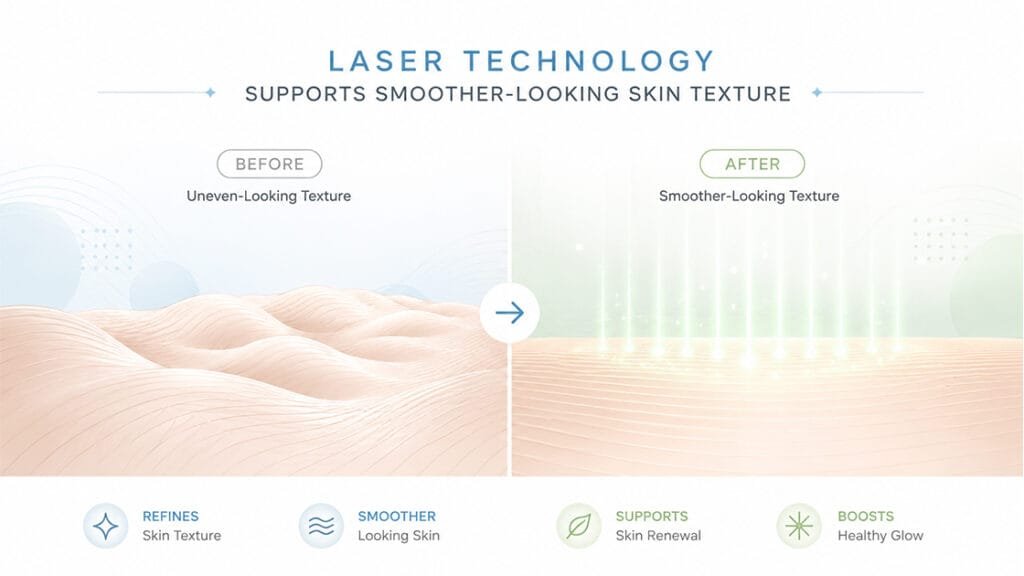
Laser skincare can help support smoother-looking skin by encouraging renewal processes within the skin layers. The controlled delivery of laser energy allows targeted application while maintaining precision.
Many aesthetic professionals incorporate laser therapy into customized skincare plans that consider skin type, sensitivity, and individual beauty goals.
2.3 Supporting the Appearance of Post-Acne Skin Concerns
After acne-related skin changes, some individuals may notice visible marks, uneven tone, or changes in skin texture. These concerns often become part of long-term skincare management.
Laser technology is commonly used in aesthetic settings to support the appearance of post-acne skin concerns. Through controlled light energy, it can help improve the overall look of the skin by supporting renewal and texture refinement.
A balanced skincare routine combined with advanced aesthetic technology can help individuals maintain a more consistent approach to skin appearance management.
3. Advanced Laser Skincare Applications for Different Skin Concerns
Modern aesthetic laser t offers multiple applications beyond basic skincare. Understanding different uses helps consumers and professionals better understand how laser systems fit into beauty routines.
3.1 Laser Technology for Skin Texture Improvement
Skin texture plays an important role in creating a smooth and healthy-looking complexion. Factors such as environmental exposure, aging processes, and acne-prone conditions may influence skin surface appearance.
Laser technology can support skin texture improvement by delivering precise light energy to targeted areas. This process may encourage collagen-related activity and support a more refined skin appearance.
For individuals focusing on long-term skincare goals, laser therapy provides an additional option alongside traditional skincare methods.
3.2 Laser Technology for Oil-Prone Skin Appearance
Excess oil appearance is another common concern among people with acne-prone skin. When the skin produces more oil than desired, it may contribute to a less balanced appearance.
Advanced laser systems use controlled energy delivery to support overall skin condition and appearance. Professionals can select appropriate settings based on skin characteristics and desired outcomes.
Laser skincare technology works best when combined with suitable skincare habits, including gentle cleansing and proper hydration.
3.3 Laser Technology for Overall Skin Rejuvenation
Skin rejuvenation is one of the most recognized applications of aesthetic laser technology. It focuses on improving overall skin appearance through advanced light-based methods.
Laser rejuvenation procedures often involve technologies designed to support collagen activity, skin firmness, and smoother-looking skin.
For acne-prone skin users, rejuvenation-focused laser technology can become part of a comprehensive approach to maintaining youthful and balanced skin appearance.
4. Choosing the Right Laser Skincare Approach for Acne-Prone Skin
Laser therapy continues to develop as aesthetic professionals look for more precise and personalized ways to support skin appearance. Choosing a suitable laser skincare approach requires an understanding of skin characteristics, technology features, and individual beauty goals.
4.1 The Importance of Professional Laser Parameters
Every person’s skin condition is different, which means laser skincare requires appropriate parameter selection. Factors such as wavelength, energy intensity, pulse duration, and treatment area can influence the overall experience.
Professional laser systems often provide adjustable settings that allow practitioners to customize energy delivery. This flexibility helps create a more personalized approach for different skin concerns, including uneven texture, visible pores, and overall skin appearance.
Understanding laser parameters is important because effective aesthetic care depends not only on the technology itself but also on proper application methods and professional knowledge.
4.2 Combining Laser Technology With Modern Skincare Routines
Laser technology works best when combined with consistent skincare habits. A complete skincare routine may include gentle cleansing, moisturizing, sun protection, and products suitable for individual skin types.
For acne-prone skin, maintaining skin balance is an important part of daily care. Laser t can provide additional support for improving visible skin concerns, while regular skincare habits help maintain overall skin condition.
This combination of advanced technology and daily care represents a more comprehensive approach to modern beauty management.
4.3 Safety and Skin Comfort Considerations in Laser Skincare
Skin comfort is an important consideration when choosing aesthetic laser technology. Modern laser systems focus on controlled energy delivery to provide accurate application while supporting a comfortable user experience.
Professional evaluation before laser skincare procedures helps determine suitable settings according to skin sensitivity, texture, and beauty goals.
Individuals should always consult qualified professionals to understand whether a specific laser approach is appropriate for their personal skincare needs.
5. The Future of Laser Technology in Acne-Prone Skin Care
As beauty technology continues to evolve, laser skincare is becoming more personalized, precise, and accessible. The future development of aesthetic laser systems focuses on improving user experience while supporting a wider range of skincare goals.
5.1 The Growth of Personalized Laser Beauty Solutions
Personalized skincare has become an important trend in the beauty industry. Instead of using the same approach for everyone, modern laser technology allows professionals to adjust settings according to different skin types and concerns.
This personalized approach helps address individual goals such as improving skin texture, supporting collagen activity, and enhancing overall skin appearance.
With continued technological development, laser beauty solutions are expected to become increasingly focused on customization and precision.
5.2 How Advanced Laser Technology Is Changing Beauty Care
Traditional skincare routines mainly depend on topical products and daily maintenance. Advanced laser technology introduces a new direction by combining medical science, optical technology, and aesthetic applications.
Through controlled light energy, modern laser systems support a technology-based approach to skin rejuvenation and appearance improvement.
For people with acne-prone skin, this development provides more options for creating personalized skincare strategies that focus on maintaining healthy-looking skin.
FAQ
What is laser technology for acne-prone skin?
Laser technology for acne-prone skin uses controlled light energy to support skin appearance, texture improvement, and overall skin rejuvenation.
Can laser technology improve the appearance of acne marks?
Laser skincare technology may help support smoother-looking skin and improve the appearance of uneven texture and visible marks.
How do laser wavelengths affect skincare?
Different wavelengths interact with skin tissue at different depths, allowing professionals to select suitable settings for specific aesthetic goals.
Is laser skincare suitable for all skin types?
Suitability depends on individual skin characteristics. Professional consultation can help determine an appropriate skincare approach.
How long does a laser skincare session usually take?
The duration depends on the technology used, treatment area, and individual skincare goals. Many sessions are designed to fit into professional beauty routines.
Заключение
Acne-prone skin requires continuous attention and a balanced approach to maintain a healthy-looking appearance. Laser technology provides a modern aesthetic solution by using controlled light energy to support skin renewal, collagen activity, and texture improvement. With advanced features such as adjustable wavelengths and precise energy delivery, modern laser systems allow professionals to create more personalized skincare approaches. When combined with proper daily skincare habits, laser technology can become a valuable part of a comprehensive beauty routine for individuals seeking smoother, more balanced-looking skin.
References
“Laser and Light-Based Treatments for Acne and Acne Scars: A Review”
https://www.ncbi.nlm.nih.gov/pmc/articles/PMC5605219
“Photobiomodulation Therapy: Mechanisms and Applications”
https://www.ncbi.nlm.nih.gov/pmc/articles/PMC4126803
“Laser Skin Resurfacing: Technology and Clinical Applications”
https://www.ncbi.nlm.nih.gov/pmc/articles/PMC2884837
“Fractional Laser Technology in Dermatology and Skin Rejuvenation”
https://www.ncbi.nlm.nih.gov/pmc/articles/PMC3583883
“Applications of Laser Technology in Aesthetic Medicine”