Введение
As people become more aware of skin health and long-term beauty maintenance, laser skin tightening has gained attention as a modern approach for individuals experiencing early signs of aging. Changes such as reduced skin firmness, uneven texture, fine lines, and decreased elasticity are common concerns as the skin’s natural renewal process changes over time. Advanced aesthetic laser technology uses controlled energy delivery to support skin remodeling, collagen activity, and overall skin appearance without invasive procedures. By combining scientific principles such as photothermal effects and controlled energy stimulation, laser-based skin rejuvenation has become an important option for those seeking to maintain smoother, firmer, and healthier-looking skin as part of their beauty routine.
1. Understanding Early Signs of Skin Aging and Skin Elasticity Changes
Skin aging is a natural biological process influenced by internal and external factors, including collagen changes, environmental exposure, lifestyle habits, and the gradual reduction of skin regeneration activity. Understanding these changes helps explain why many people explore advanced aesthetic technologies designed to support skin firmness and texture.
1.1 What Are the Early Signs of Aging Skin?
Early signs of aging skin often appear as subtle changes in firmness, smoothness, and overall skin quality. Many individuals notice fine lines, reduced elasticity, uneven texture, or a less refreshed appearance as the skin structure gradually changes.
Collagen and elastin are important components that help maintain skin strength and flexibility. Over time, changes in collagen organization and skin hydration levels may influence how the skin looks and feels. Laser skin tightening technology focuses on supporting the skin’s natural processes by delivering controlled energy to targeted areas, helping create an environment that supports skin rejuvenation goals.
1.2 Why Collagen Support Matters for Skin Firmness
Collagen is one of the most important structural proteins in the skin. It contributes to skin strength, smoothness, and elasticity. As collagen levels and quality naturally change over time, the skin may gradually lose some of its youthful-looking characteristics.
Modern aesthetic laser technology often focuses on collagen support through controlled energy stimulation. By using specific laser wavelengths and carefully managed energy levels, these technologies are designed to interact with skin layers and encourage natural skin remodeling processes. This approach allows professionals and individuals to focus on maintaining healthier-looking skin rather than simply covering visible aging concerns.
1.3 The Growing Demand for Non-Invasive Skin Rejuvenation
Many people today prefer beauty solutions that fit into their lifestyle while avoiding invasive approaches. This has increased interest in non-invasive aesthetic technology, including laser skin rejuvenation and skin tightening treatments.
Laser-based beauty technology provides an alternative approach by using light energy to support skin appearance improvements. The combination of precision, controlled energy delivery, and customizable treatment settings allows aesthetic professionals to address different skin concerns while creating personalized skincare plans.
2. How Laser Skin Tightening Technology Supports Skin Rejuvenation
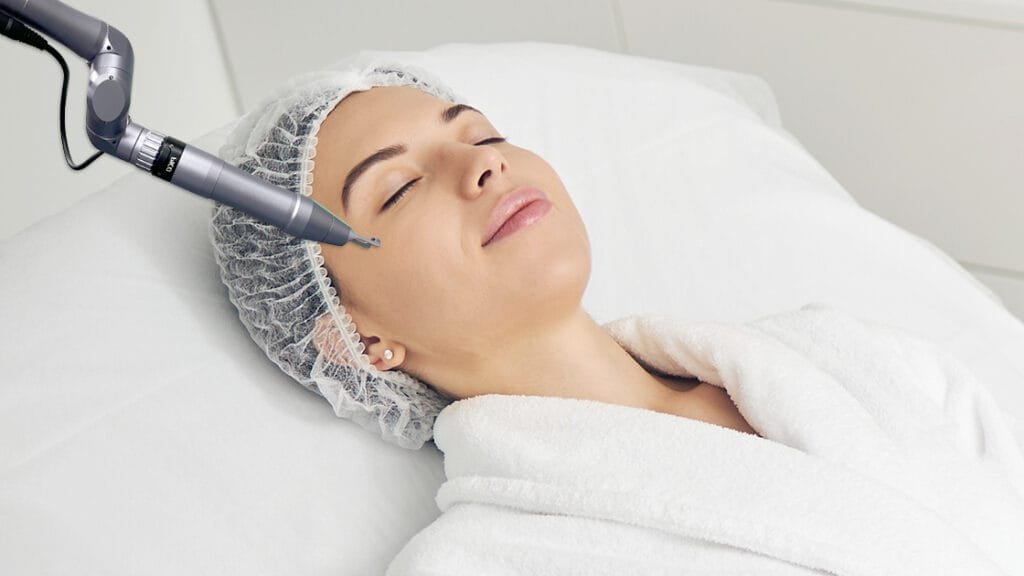
Laser skin tightening uses advanced energy-based technology to interact with skin tissues in a controlled manner. Unlike traditional skincare products that mainly work on the skin surface, laser technology focuses on deeper skin layers where structural components related to firmness and texture are located.
2.1 The Role of Laser Energy in Skin Remodeling
Laser skin tightening technology works through controlled energy delivery that interacts with targeted skin areas. Depending on the technology type and wavelength used, laser energy may create a controlled photothermal effect, which supports natural skin responses.
The goal of this process is to encourage healthier-looking skin characteristics by supporting collagen-related activity and dermal remodeling. This makes laser technology an attractive option for individuals looking for advanced skin rejuvenation methods that work together with the body’s natural biological processes.
2.2 How Laser Technology Supports Skin Elasticity and Texture
Skin elasticity depends on the condition of multiple structural components, including collagen fibers, elastin networks, and overall tissue quality. When these elements experience gradual changes, the skin may appear less firm or more uneven.
Laser skin tightening technology focuses on supporting the appearance of skin elasticity and texture through targeted energy application. By helping improve the skin environment and encouraging natural renewal processes, laser treatments are commonly used as part of modern aesthetic skincare strategies.
2.3 Different Areas That Can Benefit From Skin Tightening Technology
Laser skin tightening is commonly explored for areas where early signs of aging become more noticeable. These areas may include the face, jawline, neck, and other regions where people want to maintain a firmer-looking appearance.
Different areas may require different energy settings and treatment approaches. Advanced aesthetic devices often allow professionals to adjust parameters based on skin condition, treatment goals, and individual needs, supporting a more personalized approach to skin rejuvenation.
3. Why Adults Are Exploring Laser Skin Tightening for Aging Concerns
The beauty industry continues to develop as more adults seek preventative skincare strategies. Instead of waiting for more visible changes, many people are becoming interested in supporting skin health earlier through advanced technologies.
3.1 Supporting Skin Appearance Before Advanced Aging Signs Develop
Many individuals begin exploring laser skin tightening when they notice early changes rather than significant skin concerns. This stage often includes mild loss of firmness, changes in skin texture, or the appearance of fine lines.
Using aesthetic technology during this stage allows individuals to focus on maintaining their current skin condition and supporting long-term beauty goals. Laser skin rejuvenation is often considered alongside daily skincare, sun protection, hydration, and healthy lifestyle choices.
3.2 Laser Skin Tightening for Facial Rejuvenation Goals
Facial rejuvenation remains one of the most common reasons people explore laser-based beauty technologies. The face often shows early signs of aging because it is continuously exposed to environmental factors and daily movement.
Laser skin tightening technology can be incorporated into aesthetic routines designed to support a smoother-looking complexion, improved skin texture, and a firmer appearance. By focusing on skin structure and surface quality, laser-based approaches provide a technology-driven option for modern skincare needs.
3.3 The Importance of Personalized Aesthetic Treatment Approaches
Every person’s skin condition, aging process, and beauty goals are different. Factors such as skin type, lifestyle, and existing skincare habits can influence how individuals approach skin rejuvenation.
Modern laser beauty systems often provide adjustable settings that allow professionals to create personalized treatment plans. This flexibility helps ensure that energy levels, application areas, and treatment strategies align with individual skincare objectives.
4. Advanced Laser Technology in Modern Skin Tightening Applications
The development of aesthetic laser technology has expanded the possibilities of non-invasive skin rejuvenation. Modern systems focus on delivering controlled energy with greater precision, allowing professionals to address different skin appearance concerns while supporting natural skin functions. By combining advanced engineering with knowledge of skin biology, laser-based beauty technology has become an important part of contemporary aesthetic practices.
4.1 The Importance of Controlled Energy Delivery in Skin Treatments
Controlled energy delivery is one of the key principles behind modern laser skin tightening technology. Advanced laser systems are designed to provide specific energy levels and wavelengths that interact with targeted skin areas while maintaining accuracy during application.
This controlled approach helps support consistent treatment experiences and allows professionals to adjust settings based on different skin conditions and aesthetic goals. Instead of applying general energy across the skin, modern laser technology focuses on precision, making it suitable for personalized skin rejuvenation plans.
4.2 The Connection Between Laser Technology and Collagen Stimulation Support
Collagen support is a major focus in many skin tightening technologies because collagen plays an important role in maintaining skin structure and firmness. Laser energy can interact with deeper skin layers and support processes associated with collagen remodeling.
Through repeated and properly managed applications, laser skin tightening technology is often used to support a smoother-looking skin surface, improved firmness, and a refreshed appearance. The purpose of this technology is to work with the skin’s natural functions and provide additional support for long-term beauty maintenance.
4.3 Combining Laser Skin Tightening With Modern Skincare Routines
Laser skin tightening is often viewed as part of a broader skincare approach rather than a replacement for daily skin care. Maintaining healthy skin involves multiple factors, including proper cleansing, moisturizing, sun protection, and consistent lifestyle habits.
When combined with professional skincare knowledge and personalized beauty routines, laser technology can provide additional support for individuals who want to improve the appearance of aging skin. This combination creates a more complete approach to maintaining skin quality over time.
5. Choosing the Right Laser Skin Tightening Approach for Different Beauty Goals
With the increasing variety of aesthetic technologies available, understanding personal skincare goals is important when considering laser skin tightening. Different technologies may use different wavelengths, energy levels, and application methods, making it essential to select an approach that matches individual needs.
5.1 Factors to Consider Before Exploring Laser Skin Rejuvenation
Before choosing a laser skin rejuvenation approach, individuals should consider factors such as their skin condition, desired appearance goals, and professional recommendations. Skin texture, elasticity, sensitivity, and lifestyle factors can all influence the most suitable approach.
A qualified aesthetic professional can help evaluate these factors and create a customized plan. Understanding how laser technology works and what it can support allows individuals to develop realistic expectations and make informed skincare decisions.
5.2 The Future of Non-Invasive Laser Beauty Technology
The future of aesthetic technology continues to focus on improving comfort, precision, and personalization. As laser systems become more advanced, professionals can access more flexible options for supporting different skin rejuvenation goals.
Innovations in energy-based beauty technology continue to combine scientific research, engineering development, and skincare expertise. Laser skin tightening remains an important area of interest for people looking for modern approaches to maintaining a youthful-looking appearance.
FAQ
What is laser skin tightening?
Laser skin tightening is a non-invasive aesthetic technology that uses controlled laser energy to support skin firmness, elasticity, and overall skin appearance.
How does laser skin tightening work?
Laser skin tightening uses specific energy wavelengths that interact with skin tissues and support natural processes related to collagen activity and skin remodeling.
Can laser skin tightening improve the appearance of fine lines?
Laser skin tightening may help support smoother-looking skin and improve the appearance of fine lines by supporting skin structure and texture.
Is laser skin tightening suitable for everyone?
Skin conditions and beauty goals vary between individuals. A professional evaluation can help determine whether a laser-based approach is suitable for specific needs.
What areas are commonly treated with laser skin tightening technology?
Common areas include the face, jawline, neck, and other areas where people want to support firmness and skin rejuvenation.
How is laser skin tightening different from regular skincare products?
Skincare products mainly work on the skin surface, while laser technology uses controlled energy to interact with deeper skin layers involved in skin structure and renewal processes.
Заключение
Laser skin tightening has become an important part of modern aesthetic technology by providing a non-invasive approach for individuals who want to support skin firmness, elasticity, and a more youthful-looking appearance. Through controlled energy delivery, collagen support, and advanced skin rejuvenation concepts, laser technology offers a science-based option for maintaining skin quality as early signs of aging appear. When combined with professional skincare guidance and healthy daily habits, laser-based beauty technology can become part of a comprehensive approach to long-term skin maintenance.
References
Laser and Light Treatments for Skin Rejuvenation: A Review of Current Technologies
https://www.ncbi.nlm.nih.gov/pmc/articles/PMC5418955
Fractional Laser Resurfacing: Mechanisms of Action and Clinical Applications
https://www.ncbi.nlm.nih.gov/pmc/articles/PMC4479364
Skin Aging and Collagen Changes: Molecular Mechanisms and Cosmetic Approaches
https://www.ncbi.nlm.nih.gov/pmc/articles/PMC3583886
Photobiomodulation Therapy and Its Effects on Skin Health
https://www.ncbi.nlm.nih.gov/pmc/articles/PMC4743666
Energy-Based Devices for Facial Skin Rejuvenation: Current Concepts and Applications