Introdução
A wedding often brings increased attention to skin appearance, from complexion and pigmentation to fine lines, uneven texture, and overall radiance. Months of sun exposure, previous acne, natural skin aging, and everyday environmental stress can all influence how the skin looks in photographs and under bright event lighting. For this reason, some people consider professional laser skin rejuvenation as part of a broader pre-wedding beauty routine. Modern picosecond laser technology uses extremely short pulses of light energy to interact with selected skin targets while supporting broader skin rejuvenation goals. Depending on the wavelength and treatment approach, the technology can address concerns associated with pigmentation and uneven skin appearance while also supporting dermal remodeling. When appropriate professional assessment, skincare, sun protection, and realistic expectations accompany aesthetic treatments, laser skin rejuvenation can become one component of a carefully planned approach to achieving a smoother and more even-looking complexion before a major celebration.
1. Why Skin Appearance Matters Before a Wedding
Wedding photography can make subtle differences in complexion, pigmentation, and skin texture more noticeable. Professional lighting, close-up portraits, and high-resolution cameras often capture details that may not stand out during everyday interactions.
1.1 Common Pre-Wedding Skin Concerns
People preparing for a wedding may become more aware of uneven skin tone, sun spots, freckles, post-acne pigmentation, fine lines, or rough-looking texture. These concerns can occur independently, but they often overlap.
Pigmentation is largely influenced by melanin distribution within the skin, while fine lines and reduced firmness involve changes in collagen, elastin, hydration, and dermal structure. Because these concerns have different biological characteristics, modern aesthetic technology increasingly focuses on selecting an appropriate wavelength and energy delivery strategy rather than treating every skin concern in exactly the same way.
1.2 Why a Long-Term Beauty Plan Can Matter
Skin rejuvenation is rarely about creating an overnight change. Skin turnover, pigment clearance, collagen remodeling, and recovery occur over time, so pre-wedding planning should account for the individual’s skin condition and desired appearance.
A professional evaluation can help distinguish between pigmentation, texture irregularities, photoaging, and other cosmetic concerns. This creates a more realistic framework for deciding whether laser-based skin rejuvenation fits within an individual’s overall beauty routine.
2. How Picosecond Laser Technology Supports Skin Rejuvenation
The technology behind modern skin rejuvenation has evolved beyond conventional approaches that rely primarily on prolonged thermal exposure. Picosecond systems deliver ultra-short pulses that interact with targeted structures through rapid energy delivery.
2.1 Understanding Ultra-Short Picosecond Pulses
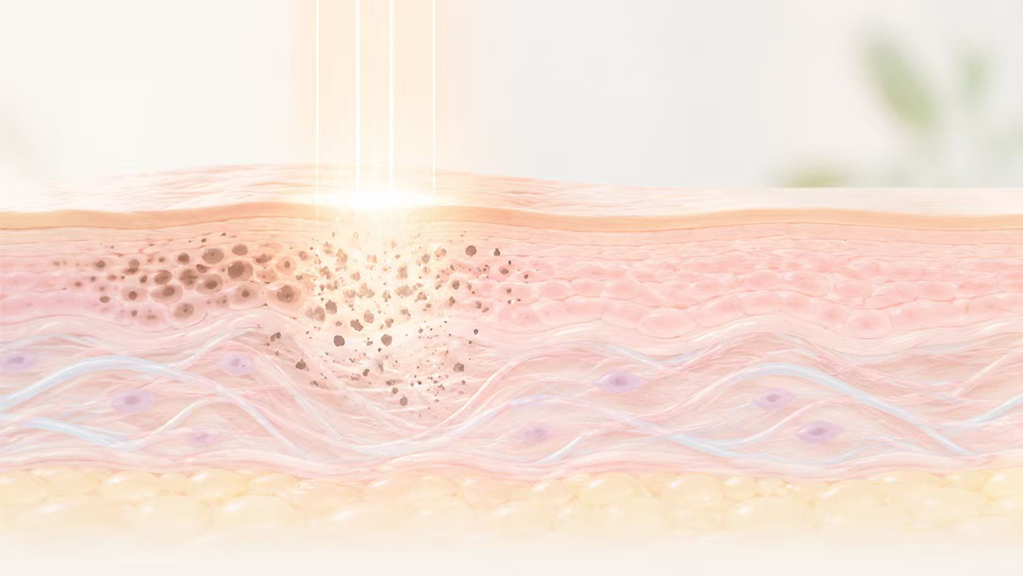
Picosecond lasers deliver energy in extremely short pulses, measured in trillionths of a second. This rapid energy delivery can produce a strong photoacoustic effect, generating mechanical pressure that interacts with pigment particles and selected tissue structures.
Because the pulse duration is extremely short, the technology can focus energy efficiently while limiting unnecessary heat accumulation in surrounding tissue. This characteristic makes picosecond technology relevant to aesthetic applications involving pigmentation, skin texture, and rejuvenation.
The goal is not simply to deliver more energy. Pulse duration, wavelength, spot size, fluence, repetition rate, and delivery pattern all influence how laser energy interacts with the skin. Appropriate parameter selection therefore remains an important part of professional aesthetic care.
2.2 Supporting Collagen and Dermal Remodeling
Skin rejuvenation involves more than improving surface appearance. Collagen and elastin provide structural support within the dermis, and changes in these proteins contribute to fine lines, reduced firmness, and altered skin texture.
Certain picosecond laser approaches can create controlled stimulation within the skin that supports collagen-related remodeling. This process does not produce an instant transformation. Instead, changes in dermal structure may develop gradually as the skin progresses through its natural remodeling processes.
For someone preparing for a wedding, this gradual approach can be more appropriate than expecting immediate dramatic changes immediately before the event.
3. Choosing the Right Wavelength for Different Skin Concerns
One of the most important features of a dual-wavelength picosecond system is the ability to work with different optical characteristics within the skin. A 532nm wavelength and a 1064nm wavelength interact with tissue at different depths and have different relationships with melanin.
3.1 532nm for Superficial Pigmentation
The 532nm wavelength falls within the green region of the visible light spectrum and has a strong interaction with melanin. This makes it particularly relevant to superficial pigmentation concerns such as freckles, sun spots, and certain forms of uneven pigmentation.
When pigmentation contributes to an uneven-looking complexion, targeted laser energy can interact with pigment-containing structures through photothermal and photomechanical mechanisms. The resulting pigment fragments can then undergo the body’s natural clearance processes.
For pre-wedding skincare, the broader objective is to support a more balanced-looking complexion rather than attempting to remove every variation in natural skin color.
3.2 1064nm for Deeper Skin Interaction
The 1064nm wavelength operates within the near-infrared spectrum and can penetrate deeper into the skin than shorter wavelengths. Its lower absorption by superficial melanin allows energy to reach deeper tissue structures while providing another option for pigmentation management and skin rejuvenation.
Within professional aesthetic applications, 1064nm picosecond energy may support broader rejuvenation goals involving skin texture, dermal remodeling, and deeper pigmentation concerns. The appropriate application depends on factors such as skin type, pigmentation characteristics, and the individual’s overall aesthetic goals.
3.3 Why Dual-Wavelength Technology Adds Flexibility
Pre-wedding skin concerns rarely appear as a single isolated issue. Someone may have freckles combined with fine lines, sun-related pigmentation alongside uneven texture, or post-acne marks together with early signs of photoaging.
A dual-wavelength platform provides greater flexibility because 532nm and 1064nm energy can be considered according to the characteristics and depth of the concern. This allows professional treatment planning to focus on the specific appearance of the skin instead of applying a single wavelength to every situation.
4. Building a Wedding-Ready Skin Rejuvenation Strategy
Laser technology represents only one component of pre-wedding skincare. The condition of the skin, timing, daily habits, and professional assessment all influence how a complexion looks during an important event.
4.1 Timing Matters More Than Last-Minute Treatments
Starting a skincare plan earlier gives the skin more time to respond to gradual changes. Pigment-related concerns and skin texture do not always respond immediately, while collagen remodeling naturally takes time.
A well-planned schedule can also leave room to observe how the skin responds before an important event. This is particularly relevant for people with sensitive or reactive skin, as individual responses to aesthetic treatments can vary.
The closer the wedding date becomes, the more important it is to avoid unnecessary experimentation with unfamiliar treatments or aggressive changes to an established skincare routine.
4.2 Combining Laser Rejuvenation With Everyday Skin Care
Professional laser treatment does not replace daily skincare. Sun protection, adequate hydration, gentle cleansing, and consistent skin maintenance remain important for preserving a healthy-looking complexion.
Sun exposure deserves particular attention because ultraviolet radiation can contribute to photoaging and pigmentation changes. Consistent broad-spectrum sun protection can therefore complement professional skin rejuvenation by helping limit additional environmental stress on the skin.
For couples preparing for an outdoor ceremony, engagement photography, or a destination event, maintaining sun protection becomes especially relevant throughout the preparation period.
4.3 Supporting Comfort During Aesthetic Procedures
Comfort can influence the overall experience of professional aesthetic treatments. Some modern aesthetic platforms incorporate localized cooling technology as an auxiliary feature to provide controlled cold airflow to the treatment area.
Localized cooling can temporarily reduce the sensation of warmth and discomfort associated with certain aesthetic procedures. This approach differs from whole-body cooling because the cold stimulus remains focused on the specific treatment area.
When integrated with appropriate laser technology, localized cooling can contribute to a more comfortable professional treatment experience without changing the fundamental objective of skin rejuvenation.
5. What to Expect From a More Realistic Pre-Wedding Approach
A successful beauty plan does not necessarily mean pursuing the most aggressive treatment. A more useful approach focuses on the specific appearance concerns that matter most while maintaining realistic expectations about what laser technology can accomplish.
5.1 Skin Texture and Overall Complexion
A smoother-looking complexion depends on multiple factors, including pigmentation, pore visibility, collagen structure, hydration, and surface skin condition. Picosecond laser technology can form part of a professional skin rejuvenation strategy designed to address several of these visual concerns.
The effect can vary between individuals. Skin type, age, pigmentation depth, previous skin conditions, lifestyle factors, and treatment parameters all influence the final appearance.
For wedding preparation, the most realistic goal is often a complexion that appears more even, refined, and refreshed rather than completely flawless skin.
5.2 Managing Expectations Before the Big Day
Laser skin rejuvenation should not be viewed as a way to guarantee a specific appearance by a fixed date. Biological processes such as pigment clearance and collagen remodeling occur at different rates, and individual responses can vary.
Professional assessment is therefore important when determining whether a particular concern is suitable for laser-based care. It can also help identify situations where a different cosmetic approach may be more appropriate.
A thoughtful pre-wedding strategy prioritizes gradual improvement, skin comfort, and consistency rather than relying on a last-minute attempt to change the complexion dramatically.
5.3 Protecting the Results Through Healthy Skin Habits
The appearance of rejuvenated skin still depends on everyday environmental exposure and personal skincare habits. Ultraviolet radiation, dehydration, sleep disruption, and inconsistent skincare can all influence how the complexion looks over time.
Maintaining sun protection and a simple, consistent skincare routine can help support the appearance of the skin after professional rejuvenation. These habits are especially useful during the weeks leading up to wedding events, when travel, outdoor activities, and schedule changes may disrupt normal routines.
Frequently Asked Questions
How far before a wedding should someone consider laser skin rejuvenation?
Timing varies according to the skin concern, treatment approach, and individual response. A professional can help establish an appropriate schedule well before the event.
Can picosecond laser improve uneven skin tone?
Picosecond laser technology can target certain pigmentation concerns and may support a more even-looking complexion when appropriately selected for the individual’s skin condition.
What is the difference between 532nm and 1064nm?
532nm is commonly associated with more superficial pigmentation, while 1064nm can reach deeper tissue and has broader applications in pigmentation management and skin rejuvenation.
Can laser rejuvenation help with fine lines?
Certain picosecond laser approaches may support collagen-related dermal remodeling, which can contribute to improved-looking skin texture and fine lines over time.
Is one laser wavelength suitable for every skin concern?
Not necessarily. Different wavelengths interact with skin structures differently, so wavelength selection depends on the concern, skin characteristics, and professional treatment plan.
Can laser treatment replace a daily skincare routine?
No. Professional treatments and daily skincare serve different purposes. Sun protection, hydration, gentle cleansing, and consistent skin maintenance remain important.
Is laser skin rejuvenation suitable immediately before a wedding?
A last-minute treatment may not provide enough time to evaluate the skin’s response. Earlier professional planning generally allows more room for individualized assessment and recovery.
Conclusão
Preparing for a wedding often encourages people to take a closer look at pigmentation, skin texture, fine lines, and overall complexion. Picosecond laser technology offers a precise approach to professional skin rejuvenation by using ultra-short pulses and wavelength-specific energy to address selected skin concerns. A dual-wavelength system incorporating 532nm and 1064nm can provide flexibility for superficial and deeper pigmentation concerns while supporting broader skin rejuvenation goals through controlled energy delivery and dermal remodeling. Localized cooling can also serve as an auxiliary technology for improving comfort during certain aesthetic procedures. Rather than promising flawless skin or instant transformation, a more realistic pre-wedding approach focuses on gradual improvement, appropriate professional assessment, consistent skincare, and protection from environmental factors. With thoughtful planning, laser skin rejuvenation can become one part of a broader beauty routine designed to support a smoother, more balanced, and refreshed-looking complexion when the wedding day arrives.
References
Picosecond Laser Treatment for Skin Rejuvenation: A Review of Current Applications
https://pubmed.ncbi.nlm.nih.gov/34079185
Fractional Picosecond Laser in the Treatment of Melasma and Skin Rejuvenation
https://onlinelibrary.wiley.com/doi/abs/10.1002/lsm.23382
A Prospective Study of Fractionated Dual-Wavelength Picosecond Laser in Treating Acne Scar
https://pubmed.ncbi.nlm.nih.gov/32881549
Using Normal and High Pulse Coverage With Picosecond Laser Treatment of Wrinkles and Acne Scarring
https://onlinelibrary.wiley.com/doi/full/10.1002/lsm.22763
Skin Rejuvenation With Dual-Wavelength Picosecond Laser Technology