Introduction
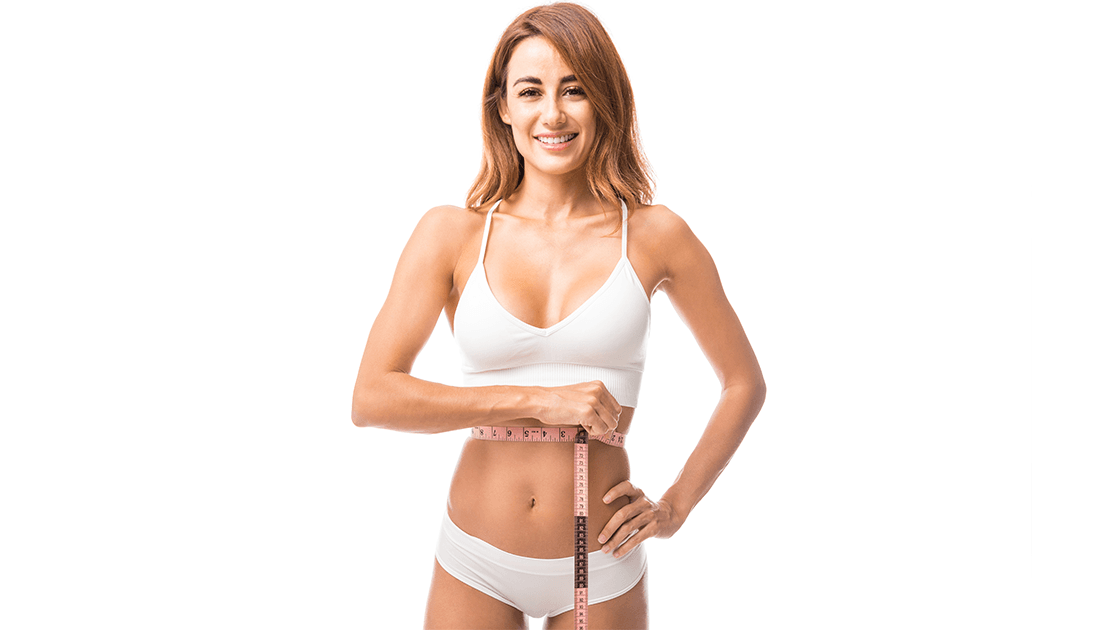
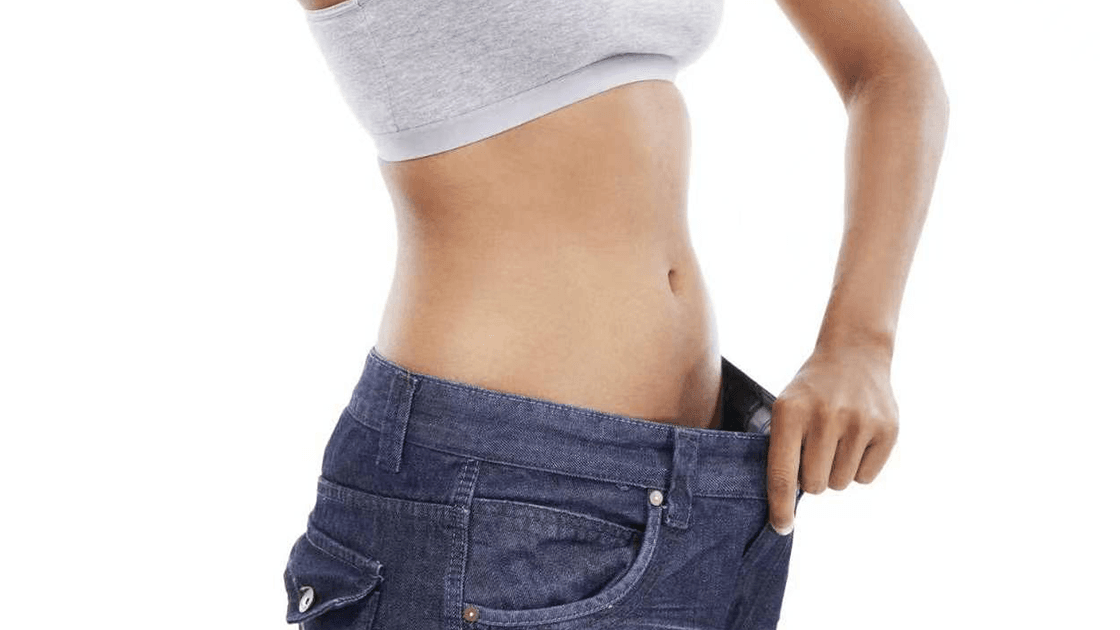
After achieving significant weight loss, many individuals celebrate their accomplishments but face a new challenge: loose or sagging skin. This skin laxity can appear on the abdomen, arms, thighs, and even the face, and it can affect self-confidence and comfort in daily activities. Traditional surgical methods like tummy tucks and arm lifts are effective but invasive, requiring significant recovery time. Laser therapy has emerged as a non-invasive alternative that stimulates collagen production, improves skin elasticity, and tightens loose areas. By understanding the science behind laser treatments and integrating them into a post-weight loss skin care plan, individuals can reclaim their body shape and enjoy the full benefits of their weight loss journey.
1. Understanding Post-Weight Loss Skin Laxity
1.1 Causes of Skin Laxity
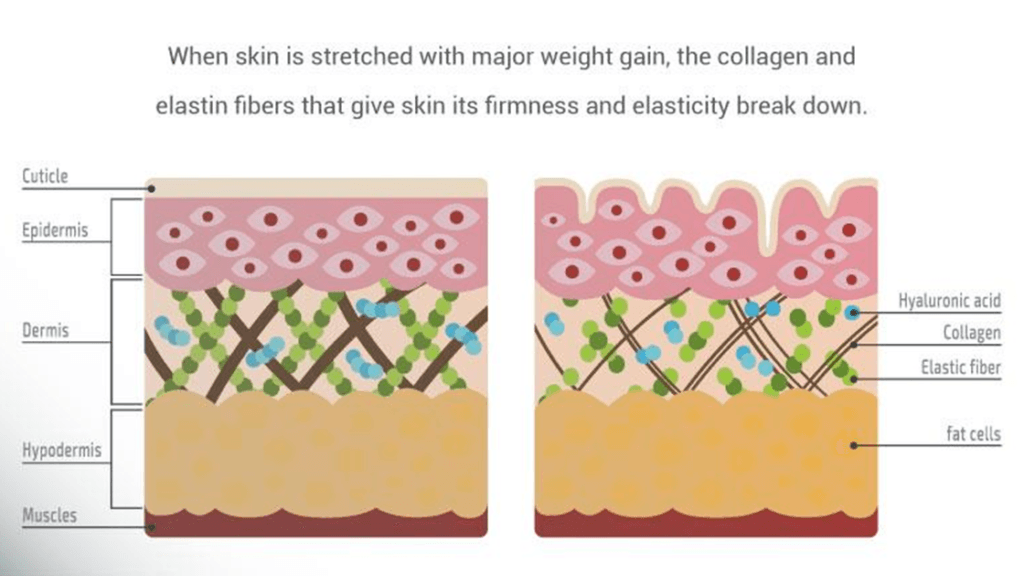
Skin laxity after weight loss occurs because the skin’s elastic fibers and collagen network are stretched during periods of significant weight gain. Rapid or large weight loss does not allow sufficient time for skin to contract naturally. Factors like age, genetics, sun exposure, and overall skin health influence the degree of laxity. Even individuals with excellent weight management habits may notice sagging around the midsection, upper arms, or inner thighs, creating both aesthetic concerns and functional discomfort.
1.2 Psychological and Social Impact
Loose skin can have a profound psychological effect, sometimes negating the positive impact of weight loss on self-esteem. Individuals may avoid certain clothing styles, limit physical activity, or experience anxiety about their body image. Addressing skin laxity is not purely cosmetic—it plays a critical role in mental well-being, social confidence, and overall satisfaction with the weight loss journey.
2. How Laser Therapy Works for Skin Tightening
2.1 Mechanism of Action
Laser skin tightening utilizes targeted energy to heat the dermis without damaging the epidermis. This controlled thermal effect stimulates fibroblasts to produce new collagen and elastin, which gradually firm and lift the skin. Different laser systems, including fractional and non-ablative lasers, penetrate to varying depths to target specific tissue layers. Over multiple sessions, collagen remodeling improves skin elasticity, reduces creases, and restores natural contours.
2.2 Types of Lasers for Post-Weight Loss Skin
Common lasers for skin tightening include:
- Fractional CO₂ Lasers: Ablative, effective for deeper wrinkles and moderate skin laxity.
- Non-Ablative Nd:YAG or 1064nm Lasers: Target deeper layers with minimal downtime, suitable for mild to moderate sagging.
- Radiofrequency-Combined Lasers: Enhance collagen production and improve skin texture synergistically.
Selecting the right laser depends on skin type, degree of laxity, and treatment goals, often determined during a professional consultation.
3. Target Areas for Post-Weight Loss Laser Treatments
3.1 Abdomen and Waistline
The abdomen is one of the most common areas for loose skin after weight loss. Laser therapy stimulates collagen in the dermal layer, gradually tightening the skin and improving appearance. Patients often report increased comfort in clothing and a smoother contour over successive sessions.
3.2 Arms and Inner Thighs
Flabby upper arms and inner thighs can create a “batwing” effect or rubbing discomfort during movement. Laser treatments in these areas help strengthen skin elasticity, reduce sagging, and allow for a more sculpted and proportional look, enhancing both aesthetic and functional outcomes.
3.3 Face and Neck
Significant weight loss can also affect facial contours, resulting in jowls, double chin, or sagging cheeks. Non-invasive laser treatments provide subtle lifting and firming, improving jawline definition and restoring youthful facial proportions without surgical intervention.
4. Preparing for Your Laser Skin Tightening Sessions
4.1 Consultation and Assessment
A thorough assessment by a licensed practitioner is essential to determine candidacy for laser therapy. Factors such as skin type, degree of laxity, prior treatments, and overall health are considered. Personalized treatment plans ensure safe and effective outcomes tailored to each individual’s body and goals.
4.2 Pre-Treatment Guidelines
Patients are typically advised to avoid sun exposure, certain topical medications, or skincare products that may increase photosensitivity. Maintaining hydration and following any pre-procedure instructions improves comfort and enhances results. Proper preparation reduces the risk of side effects and maximizes the effectiveness of the treatment.
5. Expected Results and Recovery
5.1 Gradual Improvement
Unlike surgical procedures that provide immediate but invasive results, laser skin tightening offers gradual improvement. Collagen remodeling continues over weeks to months, with patients noticing firmer, smoother skin progressively. Most areas treated respond within 4–6 sessions, spaced several weeks apart, depending on the severity of laxity and type of laser used.
5.2 Minimal Downtime
One of the primary advantages of laser therapy is minimal downtime. Patients can typically resume normal activities immediately, with only mild redness or swelling in treated areas. This makes laser treatments suitable for individuals balancing busy work schedules or family responsibilities while enhancing their body contours.
6. Combining Laser Therapy with Lifestyle Practices
6.1 Nutrition and Hydration
Collagen production and skin elasticity are influenced by diet. Adequate protein intake, vitamin C, and hydration support the skin’s natural repair processes and amplify the effects of laser therapy.
6.2 Exercise and Strength Training
Targeted strength training and aerobic exercise help maintain underlying muscle tone, which supports the skin’s structure and enhances the visual effects of laser treatments. A combined approach of laser therapy and physical activity ensures long-lasting results.
6.3 Skincare Maintenance
Post-treatment skincare, including sun protection and topical antioxidants, protects newly stimulated collagen and maintains skin health. Professional guidance ensures that home care complements clinical procedures for optimal outcomes.
FAQ
Q1: Is laser skin tightening safe after weight loss?
Yes, it is generally safe for healthy adults. Licensed practitioners customize treatments to minimize risk.
Q2: How many sessions are typically required?
Most patients benefit from 4–6 sessions, spaced a few weeks apart, depending on skin laxity.
Q3: Are the results permanent?
Results last for several years but may be influenced by aging, lifestyle, and weight fluctuations.
Q4: What side effects can occur?
Temporary redness, mild swelling, or tenderness may appear but usually resolves within a few days.
Conclusion
Post-weight loss skin laxity can be a frustrating reminder of past weight challenges, but laser therapy offers a non-invasive, effective solution. By stimulating collagen production, improving elasticity, and tightening loose skin, laser treatments help individuals reclaim their body shape and confidence. When combined with healthy lifestyle practices, these treatments maximize results and allow patients to fully enjoy the benefits of their weight loss journey.
References
Rhein Lasers: Cryotherapy & Laser Treatments.
https://www.rheinlasers.com/treatments
Mayo Clinic: Skin changes after weight loss.
National Institutes of Health: Non-invasive skin tightening lasers.
https://www.ncbi.nlm.nih.gov/pmc/articles/PMC5832931/
American Society for Dermatologic Surgery: Laser skin tightening guide.
https://www.asds.net/skin-care-treatments/laser-skin-tightening