
Introduction
Sports injuries, even minor ones, can leave athletes with lingering scars that affect not only physical performance but also self-confidence. Scar tissue can restrict joint mobility, reduce muscle flexibility, and create aesthetic concerns, especially for athletes whose bodies are on display or under constant scrutiny. Laser scar reduction offers a non-invasive solution to manage post-injury scarring, improve skin elasticity, and support tissue remodeling. By leveraging advanced laser technologies, athletes can recover faster, restore function, and regain confidence while minimizing downtime and preserving peak performance.
1. Understanding Sports-Related Scars
Scars develop as part of the natural healing process, but their appearance and impact vary depending on injury severity and tissue type.
1.1 The Formation of Scar Tissue
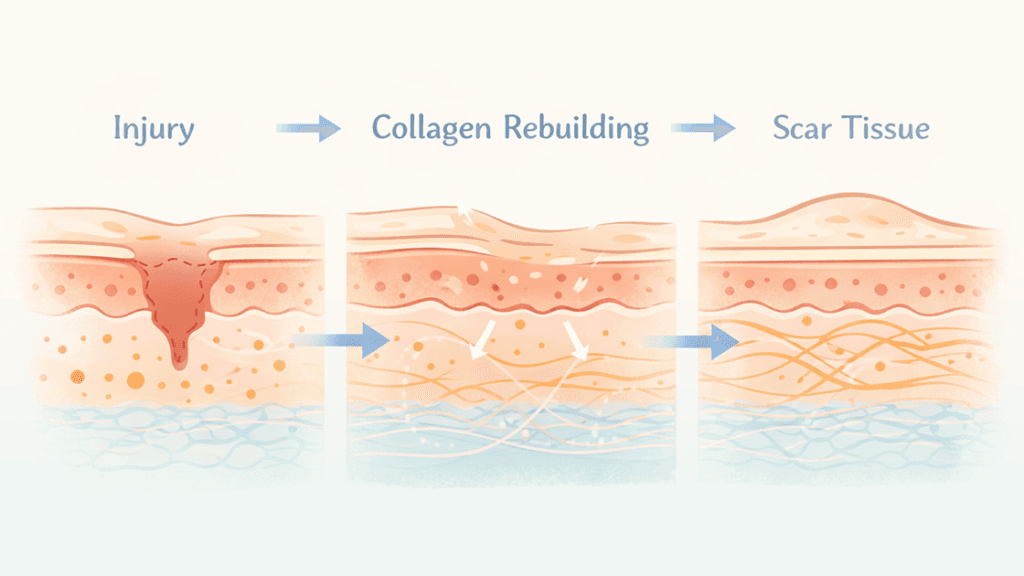
When skin or muscle tissue is injured, fibroblasts proliferate to synthesize collagen and repair the damage. However, excessive collagen deposition can lead to thick, raised, or discolored scars. Minor sports injuries, such as cuts, abrasions, or small lacerations, often result in hypertrophic scars or atrophic scars. These scars may limit range of motion, reduce flexibility, and create discomfort during athletic movements. Understanding the underlying biology of scar formation helps athletes and clinicians select targeted treatments to improve both function and appearance.
1.2 Types of Scars Common in Athletes
Athletes frequently experience scars in areas prone to friction, impact, or repeated stress. Common types include hypertrophic scars, keloids, and contractures. Hypertrophic scars are raised but confined to the injury site, whereas keloids extend beyond the original wound. Contracture scars may tighten surrounding skin, limiting mobility. Recognizing scar type is essential for designing individualized laser therapy protocols. Proper assessment ensures laser energy is applied effectively to remodel collagen, restore tissue elasticity, and reduce visual impact without causing additional trauma.
2. Laser Scar Reduction: Mechanisms and Benefits
Laser therapy offers a scientifically validated approach to scar management, addressing both functional and aesthetic concerns.
2.1 How Laser Therapy Works
Laser scar reduction uses targeted light energy to penetrate the dermis, stimulating collagen remodeling and reducing excess fibroblast activity. Fractional lasers create microscopic zones of thermal injury, prompting the body to replace damaged tissue with healthier, more organized collagen. The controlled micro-injuries encourage skin regeneration while minimizing surrounding tissue damage. This process improves scar texture, decreases redness, and enhances elasticity. For athletes, the mechanism allows functional restoration alongside cosmetic improvement, ensuring the scar does not impede performance.
2.2 Key Benefits for Athletes
Laser scar reduction provides multiple benefits for athletes: improved skin appearance, enhanced tissue flexibility, reduced pain, and faster recovery. The treatment can prevent contractures that limit joint movement, a crucial factor in performance-based sports. Additionally, non-invasive procedures reduce downtime compared to surgical revision, allowing athletes to continue training with minimal interruption. By combining aesthetic improvement with functional recovery, laser therapy addresses both physical and psychological aspects of post-injury healing.
3. Types of Lasers Used in Scar Treatment
Different laser technologies target specific scar characteristics, and selection depends on scar type, depth, and location.
3.1 Fractional CO₂ Lasers
Fractional CO₂ lasers are widely used for hypertrophic and thick scars. They deliver precise columns of laser energy to stimulate collagen remodeling while sparing surrounding tissue. The procedure improves scar texture, flattens raised scars, and reduces redness. Fractional CO₂ is particularly effective for athletes recovering from abrasions, cuts, or post-surgical scars because it supports deep dermal repair without significantly interrupting training schedules.
3.2 Pulsed Dye and Nd:YAG Lasers
Pulsed dye lasers (PDL) target scar vascularity, reducing redness and discoloration by selectively photothermolysing blood vessels. Nd:YAG lasers penetrate deeper layers to remodel collagen in thicker, more fibrotic scars. Combining these modalities enables multi-dimensional improvement: texture, pigmentation, and flexibility. For athletes, tailored laser selection ensures optimal outcomes depending on scar type and functional impact.
3.3 Combining Modalities for Optimal Results
In some cases, a combination of fractional CO₂ and PDL treatments is employed to address complex scars. Sequential laser therapy targets multiple layers of tissue and addresses both vascular and collagen components. This integrated approach enhances scar flattening, reduces pigmentation, and improves mobility. Athletes benefit from faster functional recovery and aesthetic restoration, reducing psychological stress associated with visible scars.
4. Timing and Frequency of Laser Treatments
Strategic scheduling of laser therapy maximizes benefits while supporting natural tissue repair.
4.1 Early vs. Late Intervention
Early laser intervention, often 4–6 weeks post-injury, can influence collagen organization and reduce hypertrophic scar formation. Delayed treatment still offers improvement, particularly for mature scars, but remodeling may take longer. Assessing tissue readiness and skin sensitivity is critical to avoid complications. Timing is personalized based on injury severity, scar type, and the athlete’s training schedule.
4.2 Treatment Frequency and Duration
Typically, laser scar reduction requires multiple sessions spaced several weeks apart. Fractional CO₂ treatments may be administered every 4–6 weeks, while PDL sessions may occur more frequently depending on vascular response. The cumulative effect gradually improves texture, pigmentation, and mobility. Proper session planning ensures optimal healing without interfering with training, balancing aesthetic goals with functional needs.
4.3 Integration with Rehabilitation Programs
Laser therapy should be integrated with physiotherapy, stretching, and strengthening exercises. Maintaining flexibility and joint function alongside scar remodeling enhances overall recovery. Coordination between sports medicine professionals, dermatologists, and athletic trainers ensures safe progression, minimizing downtime and supporting performance goals.
5. Safety and Considerations for Athletes
Laser scar therapy is generally safe, but understanding precautions ensures optimal outcomes.
5.1 Potential Side Effects
Common side effects include temporary redness, mild swelling, and slight discomfort during treatment. Rarely, hyperpigmentation or hypopigmentation may occur, particularly in darker skin types. Pre-treatment assessment helps mitigate risks. Proper post-treatment care, including sun protection and moisturizing, supports healing and maximizes results for active athletes.
5.2 Choosing a Qualified Practitioner
Selecting a board-certified dermatologist or licensed laser specialist is crucial. Expertise ensures appropriate laser selection, energy settings, and post-treatment protocols. Athletes benefit from practitioners familiar with sports-related scars and functional requirements, ensuring both aesthetic and performance outcomes.
5.3 Psychological Benefits
Visible scars can impact confidence, particularly for athletes in sports with public exposure or body-focused aesthetics. Laser scar reduction improves self-esteem, reduces social anxiety, and encourages commitment to rehabilitation. Enhanced confidence can translate to improved performance, reinforcing the mind-body connection in athletic recovery.
FAQ
Is laser scar reduction painful?
Most treatments involve mild discomfort; topical anesthetics or cooling systems reduce sensation.
How soon can athletes return to training?
Light activity is usually permitted immediately; full intensity depends on scar location and treatment depth.
Are results permanent?
Laser therapy remodels tissue, offering long-lasting improvement; maintenance may be needed for complex scars.
Can all types of scars be treated?
Most hypertrophic, atrophic, and some keloid scars respond well; practitioner assessment is essential.
Are there any skin types that cannot undergo laser therapy?
Dark skin types require careful laser selection to minimize pigmentary changes; experienced specialists can tailor treatment safely.
Conclusion
Laser scar reduction provides athletes with a powerful, non-invasive solution to recover from minor sports injuries. By targeting collagen remodeling, improving skin texture, and restoring flexibility, laser therapy supports both aesthetic and functional recovery. Integrating this treatment with rehabilitation programs ensures athletes regain confidence, maintain peak performance, and minimize the long-term impact of scars. With professional guidance, laser therapy can be a cornerstone of comprehensive sports injury management.
References
Alster TS, Tanzi EL. Laser treatment of scars: A review. Dermatol Surg. 2003;29(6):529‑539.
https://pubmed.ncbi.nlm.nih.gov/12770363/
Manuskiatti W, Fitzpatrick RE. Treatment response of keloidal and hypertrophic sternotomy scars with pulsed dye laser. J Am Acad Dermatol. 2002;47(2):213‑222.
https://pubmed.ncbi.nlm.nih.gov/12191769/
Hultman CS, Hentz VR. Laser therapy for traumatic and surgical scars: Techniques and outcomes. Plast Reconstr Surg. 2007;119(1):36‑44.
https://pubmed.ncbi.nlm.nih.gov/17230376/
Chan HH, Ho SG. Fractional CO₂ laser for post-traumatic hypertrophic scars. Lasers Surg Med. 2009;41(8):629‑634.