소개
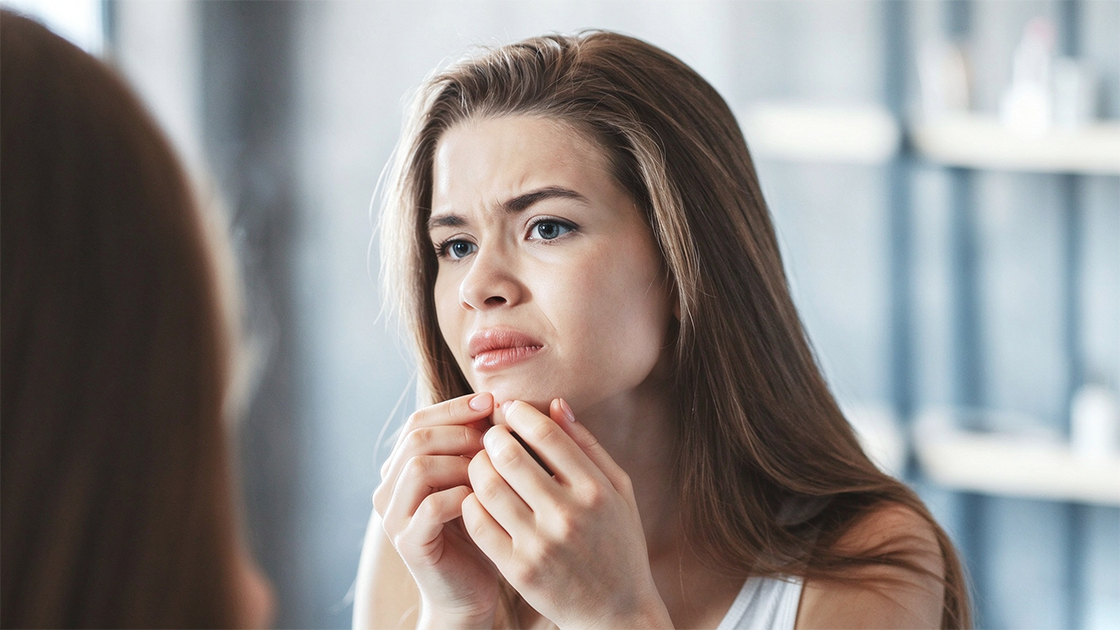
Enlarged pores are one of the most common cosmetic concerns among people seeking smoother, more refined-looking skin. Pores are a normal part of skin anatomy, but they can appear more noticeable when excess sebum, reduced skin elasticity, photoaging, acne history, or uneven skin texture changes the way light reflects across the face. Although cleansers, exfoliants, and topical skincare can help manage oil and surface buildup, they may not fully address the structural factors that make pores look prominent. This has increased interest in laser skin rejuvenation, particularly picosecond laser technology, as part of a professional approach to improving the appearance of enlarged pores and overall skin texture. Modern dual-wavelength systems using 532nm and 1064nm laser energy can provide different options for superficial pigmentation, deeper skin structures, and broader skin rejuvenation goals.
1. Understanding Why Facial Pores Look Enlarged
Before discussing laser technology, it helps to understand why pores become more visible. Enlarged pores do not have a single cause, and their appearance often reflects a combination of oil production, skin aging, pigmentation, and changes in dermal support.
1.1 What Causes Enlarged Pores?
Facial pores correspond primarily to openings of pilosebaceous units, where hair follicles connect with sebaceous glands. Their visible size can be influenced by sebum production, genetics, age, acne, and loss of skin elasticity. Pores often appear more noticeable around the nose, cheeks, forehead, and T-zone, where sebaceous gland activity tends to be greater.
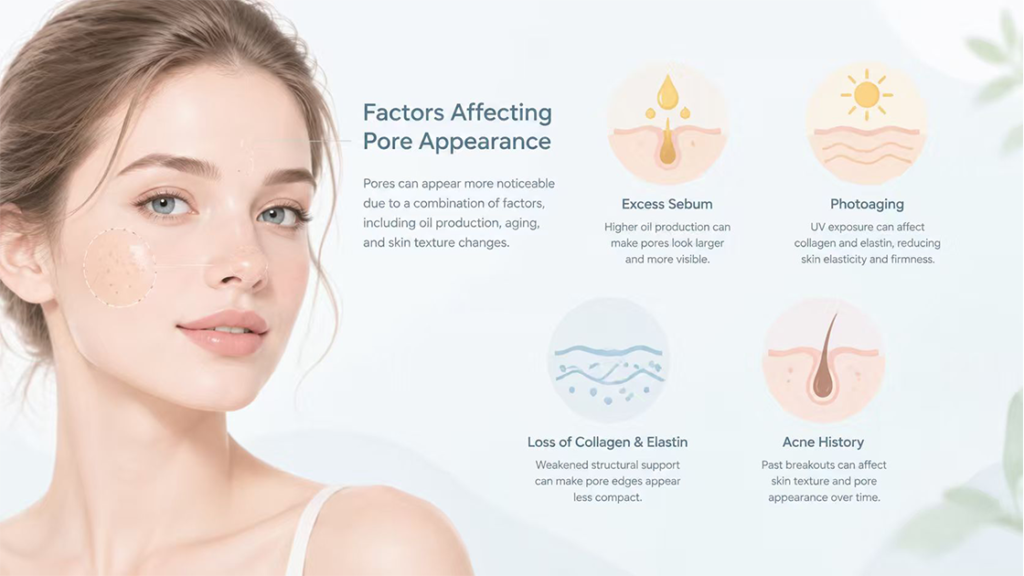
As skin ages, collagen and elastin within the dermis gradually change. Reduced structural support can make the edges of pores appear less compact, while cumulative ultraviolet exposure may contribute to photoaging and uneven texture. For people with oily or acne-prone skin, excess sebum can further emphasize pore visibility.
This explains why a skincare routine that only removes surface oil may not completely change the appearance of enlarged pores.
1.2 Enlarged Pores, Oil, and Photoaging
Sebum and photoaging can influence pore appearance in different but overlapping ways. Excess sebum may make pores look darker or more prominent, while chronic sun exposure can affect collagen quality and skin elasticity.
When these factors occur together, the skin may develop a combination of visible pores, uneven texture, fine lines, and an overall rougher appearance. Professional skin rejuvenation therefore often considers the entire skin surface rather than treating pore appearance as an isolated issue.
This broader perspective is important because improving the appearance of pores may involve supporting skin texture, tone, and dermal structure at the same time.
2. How Picosecond Laser Technology Supports Skin Rejuvenation
Picosecond laser technology uses extremely short laser pulses measured in trillionths of a second. Rather than relying solely on prolonged heating of the skin, picosecond pulses can generate highly concentrated energy and photoacoustic effects. This technology has become increasingly relevant in aesthetic dermatology for pigmentation, acne-related concerns, skin texture, and rejuvenation.
2.1 What Is a Picosecond Laser?
A picosecond laser delivers energy in pulses lasting approximately one trillionth of a second. The extremely short pulse duration allows laser energy to interact with targeted structures rapidly.
In aesthetic applications, picosecond technology can produce photomechanical or photoacoustic effects that help break down pigment particles while also supporting dermal remodeling. Depending on the delivery method and treatment parameters, the technology can be incorporated into protocols for pigmentation, acne scars, wrinkles, skin texture, and enlarged pores.
The important point is that a picosecond laser is not simply a stronger version of a conventional laser. Pulse duration, wavelength, spot size, fluence, repetition rate, and delivery pattern all influence how the energy interacts with skin.
2.2 Why Wavelength Matters for Pore-Focused Skin Care
Wavelength selection determines how laser energy interacts with tissue and chromophores. A dual-wavelength platform using 532nm and 1064nm can provide different treatment possibilities according to the depth and characteristics of the target.
The 532nm wavelength is more strongly absorbed by melanin and is commonly associated with superficial pigmentation concerns such as freckles and sunspots. The 1064nm wavelength penetrates deeper and has broader applications in skin rejuvenation and deeper pigmentation management.
For enlarged pores, the value of wavelength flexibility lies in the ability to consider pore appearance together with other concerns. A person may have visible pores combined with sun damage, uneven pigmentation, acne-related changes, or early photoaging. A professional can therefore assess the overall skin presentation rather than treating pore size in isolation.
2.3 The Connection Between Picosecond Energy and Skin Texture
Skin texture depends on the organization and condition of multiple skin layers. Collagen architecture, epidermal turnover, pigmentation, scars, and surface irregularities can all influence whether skin appears smooth or uneven.
Picosecond laser research has explored the relationship between fractional 1064nm laser energy and improvements in pore appearance and skin texture. In one clinical study, three sessions of a 1064nm picosecond laser with a microlens array were associated with a significant reduction in measured pore size, with improvement continuing during follow-up.
Another randomized split-face study found that fractional 1064nm picosecond laser treatment produced significant improvements in pore counts, with results comparable to a nonablative fractional laser in that study.
These findings do not mean that every person will experience the same degree of improvement. Instead, they show why picosecond laser technology has become an area of interest for professional management of enlarged pores and skin texture.
3. Laser Treatment for Enlarged Pores and Skin Texture
The appearance of enlarged pores is closely connected with the overall quality of the skin surface. For this reason, laser-based skin rejuvenation often focuses on more than simply making pores appear smaller.
3.1 Can Laser Treatment Make Pores Disappear?
No cosmetic laser can permanently erase normal facial pores, because pores are part of healthy skin anatomy. The realistic goal is to make them appear less prominent by addressing contributing factors such as uneven texture, photoaging, pigmentation, and changes in dermal support.
This distinction is important for anyone searching for a “laser treatment for enlarged pores.” A professional treatment plan should focus on improving the appearance of the skin rather than promising that pores will completely disappear.
Clinical research supports this more realistic interpretation. Studies involving fractional 1064nm picosecond laser systems have reported improvements in pore measurements and facial texture, but outcomes depend on the treatment approach, skin characteristics, and follow-up period.
3.2 Why 1064nm Picosecond Laser Is Relevant to Pore Concerns
The 1064nm wavelength is a near-infrared wavelength with deeper penetration than 532nm. In aesthetic dermatology, it has been investigated for skin rejuvenation, wrinkles, acne scars, pigmentation, and enlarged pores.
Its relevance to pore-focused treatment is not simply that it reaches deeper tissue. The way the energy is delivered also matters. Fractional or microlens-based approaches can distribute energy into controlled treatment zones while leaving surrounding areas available for recovery.
Clinical studies have specifically investigated 1064nm picosecond laser systems with microlens arrays for enlarged pores, with reported improvements in pore measurements and skin appearance.
This makes 1064nm picosecond technology particularly interesting when visible pores occur alongside uneven texture or signs of photoaging.
3.3 When Enlarged Pores Are Also a Texture Problem
Many people who search for “laser for large pores” are actually describing a broader texture concern. Their skin may look rough under certain lighting, makeup may settle around the pores, or the cheeks may appear uneven even when the skin is clean.
In these situations, focusing only on sebum control may not address the complete cosmetic concern. Skin rejuvenation approaches can instead consider pore visibility, fine lines, acne scars, pigmentation, and collagen-related changes together.
A clinical study of fractional 1064nm picosecond laser treatment found improvements not only in pores but also in wrinkles, depressions, skin texture, and skin firmness.
4. Choosing a Professional Approach to Enlarged Pores
Not every enlarged-pore concern requires the same laser approach. Skin type, pigmentation, acne history, oil production, degree of photoaging, and the presence of scars can all affect treatment planning.
4.1 Assessing Skin Type and Pigmentation First
Skin phototype is an important consideration when planning laser-based aesthetic procedures. The amount and distribution of epidermal melanin can influence how laser energy interacts with the skin.
A professional assessment should therefore consider whether visible pores occur alongside freckles, sunspots, post-inflammatory hyperpigmentation, melasma, acne scars, or diffuse photoaging.
The purpose of this assessment is not simply to select a wavelength. It helps determine whether pore appearance is the primary concern or one part of a broader skin condition.
4.2 Matching Wavelength and Treatment Parameters
Modern picosecond platforms can offer multiple wavelength options, including 532nm and 1064nm, which can expand treatment flexibility. The shorter wavelength can be useful when superficial pigmentation is part of the overall concern, while 1064nm offers deeper penetration and has been studied extensively in skin rejuvenation and enlarged-pore applications.
However, wavelength alone does not determine treatment results. Clinicians also consider fluence, pulse frequency, spot size, treatment density, delivery method, and the individual’s skin response.
This is why online advice about a single “best laser for enlarged pores” can be misleading. The most appropriate approach depends on the specific skin presentation and professional assessment.
4.3 Combining Laser Technology With Everyday Skin Care
Laser-based skin rejuvenation should not replace basic skin care. Daily sun protection, appropriate cleansing, moisturization, and management of excess oil remain important for maintaining a more even-looking complexion.
For people with oily or acne-prone skin, controlling sebum and preventing recurring inflammation may also help reduce the factors that make pores appear more prominent.
A comprehensive approach can therefore combine professional laser technology with a consistent skincare routine. The laser addresses selected structural or pigmentary concerns, while everyday skin care supports the skin barrier and helps maintain the overall appearance of the complexion.
5. Setting Realistic Expectations for Laser Pore Treatment
The phrase “pore reduction” can create unrealistic expectations because pore size is influenced by genetics, skin structure, sebum production, age, and environmental exposure. Professional laser treatment should therefore be viewed as an approach to improving the appearance of pores and skin texture rather than permanently changing normal skin anatomy.
5.1 How Long Do Results Take?
The timing of visible improvement depends on the laser system, treatment parameters, number of sessions, skin condition, and individual response.
Research involving fractional 1064nm picosecond laser treatment has evaluated results over several weeks and months rather than immediately after one procedure. One study found that pore-size improvement continued from one month through six months after a series of treatments.
This gradual pattern makes sense because skin remodeling is a biological process. Changes in dermal structure and overall texture do not necessarily occur at the same speed as temporary changes in surface appearance.
5.2 What About Sensitive or Pigmentation-Prone Skin?
People with sensitive skin or a history of pigmentation changes should receive an individualized professional assessment before laser treatment.
A major consideration is the balance between delivering enough energy to create the desired biological response and limiting unnecessary irritation. This becomes particularly important for individuals who are prone to post-inflammatory hyperpigmentation.
Clinical comparisons of fractional 1064nm picosecond laser and other fractional laser approaches have reported differences in discomfort and pigmentation outcomes, highlighting why treatment selection and parameter customization matter.
5.3 Why Pore Improvement Is Part of Skin Rejuvenation
Enlarged pores rarely exist completely on their own. They often appear alongside oily skin, acne history, sun exposure, pigmentation, fine lines, or reduced elasticity.
For that reason, a skin rejuvenation strategy can be more useful than focusing exclusively on pore diameter. Picosecond laser technology may be incorporated into broader aesthetic protocols that address pigmentation, acne scarring, uneven texture, wrinkles, and other visible signs of skin aging.
The objective is a smoother and more balanced-looking complexion, not perfectly poreless skin.
FAQ
Can laser treatment permanently shrink enlarged pores?
Laser treatment cannot permanently eliminate normal pores. It may help reduce their visible appearance by improving skin texture, pigmentation, and dermal support.
Is picosecond laser good for large pores?
Picosecond laser technology, particularly fractional 1064nm approaches, has been studied for enlarged pores and facial skin rejuvenation. Results depend on skin condition and treatment parameters.
Which wavelength is better for enlarged pores, 532nm or 1064nm?
The two wavelengths serve different purposes. 532nm is commonly associated with superficial pigmentation, while 1064nm penetrates deeper and has been studied for skin rejuvenation and enlarged pores. A professional should determine the appropriate approach.
Can oily skin make pores look bigger?
Yes. Excess sebum can make pores appear more noticeable, especially around the nose, forehead, and cheeks. Managing oil production can therefore complement professional skin rejuvenation.
How many laser sessions are needed for enlarged pores?
There is no universal number. Clinical studies have used multiple sessions, while treatment plans in practice vary according to skin type, pore appearance, laser system, and treatment goals.
Can laser treatment also improve acne scars and uneven texture?
Certain picosecond laser approaches have been studied for acne scars and skin texture in addition to enlarged pores. The appropriate treatment depends on the type and severity of the skin concern.
결론
Enlarged pores are influenced by more than surface oil, making them a challenging cosmetic concern to manage with skincare alone. Picosecond laser technology offers a professional approach that can address pore appearance as part of broader skin rejuvenation, particularly when visible pores occur alongside uneven texture, pigmentation, acne-related changes, or photoaging. Dual-wavelength systems using 532nm and 1064nm provide flexibility for different skin concerns, while 1064nm picosecond approaches have been specifically investigated for enlarged pores and facial rejuvenation. Rather than promising pore-free skin, the most realistic goal is a smoother, more refined-looking complexion supported by appropriate laser technology, individualized treatment planning, and consistent skincare.
References
Quantitative Assessment of the Long-Term Efficacy and Safety of a 1064-nm Picosecond Laser With Fractionated Microlens Array in the Treatment of Enlarged Pores in Asians
https://pubmed.ncbi.nlm.nih.gov/34233039
Comparison of the 1064-nm Picosecond Laser With Fractionated Microlens Array and 1565-nm Non-Ablative Fractional Laser for the Treatment of Enlarged Pores
https://pubmed.ncbi.nlm.nih.gov/38396012
Efficacy of a One-Session Fractional Picosecond 1064-nm Laser for the Treatment of Atrophic Acne Scar and Enlarged Facial Pores
https://pubmed.ncbi.nlm.nih.gov/35318885
Efficacy and Safety of Treatment With Fractional 1,064-nm Picosecond Laser With Diffractive Optic Element for Wrinkles and Acne Scars
https://pubmed.ncbi.nlm.nih.gov/34079185
Dual Wavelength Picosecond Laser Workstation — 532nm and 1064nm
https://www.rheinlasers.com/product-list/dualpico-laser-workstation