
소개
For outdoor enthusiasts who thrive on sun‑soaked adventures — from hiking mountain trails to beach volleyball and gardening — enjoying the outdoors often comes with an unintended consequence: sun‑induced pigmentation. Prolonged ultraviolet (UV) exposure can trigger melanin overproduction, leading to uneven skin tone, sun spots, and other types of hyperpigmentation that are common aesthetic concerns. While sunscreen and protective clothing help prevent future damage, many active individuals seek effective pigmentation correction to restore an even complexion. Laser therapy has emerged as a science‑backed solution that addresses the root causes of pigmentation at a cellular level. This comprehensive guide explores the biology of sun damage, how laser treatments work, who benefits most, practical expectations, safety considerations, and how to integrate laser pigmentation correction into a skin‑healthy lifestyle.
1. The Science of Sun Damage and Pigmentation
Skin pigmentation is primarily governed by melanocytes — specialized cells that produce melanin, the pigment that gives skin its color. Understanding pigmentation disorders requires a look into how UV radiation affects skin biology and disrupts melanin regulation.
1.1 How UV Exposure Triggers Pigment Production
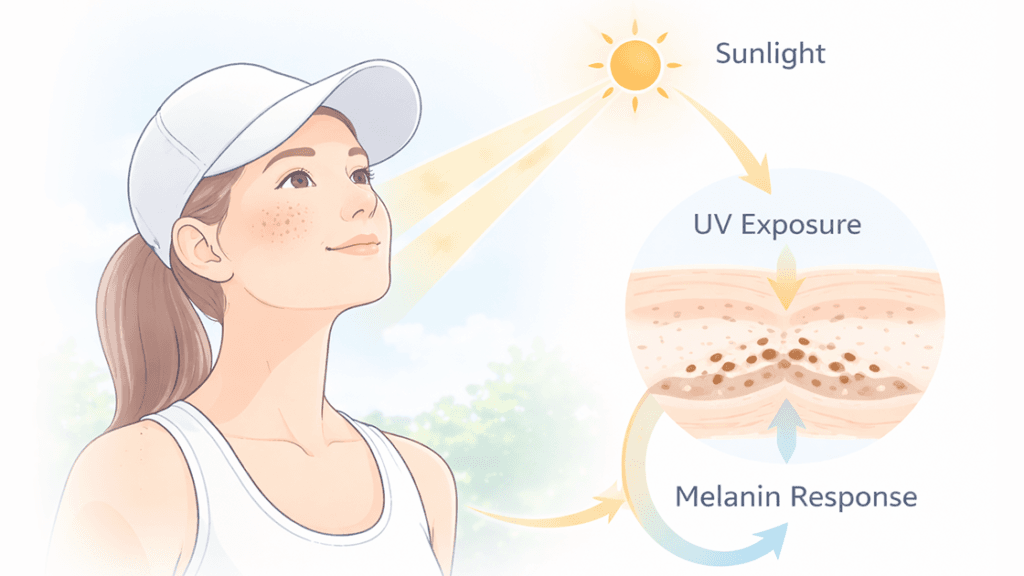
Ultraviolet radiation from sunlight penetrates the skin’s outer layers and causes oxidative stress in keratinocytes, which signal melanocytes to produce more melanin as a defensive response. This melanin tends to cluster unevenly in the epidermis and dermis, resulting in discolorations like sun spots (solar lentigines), melasma, and post‑inflammatory hyperpigmentation. Frequent sun exposure accelerates photoaging — a process characterized by pigmentation changes, loss of elasticity, and fine lines. The body’s natural repair mechanisms can respond to mild UV damage, but repetitive exposure eventually overwhelms repair pathways, causing pigmentary anomalies. For outdoor lovers, this biological process explains why areas like the face, hands, and arms often show increased dark spots and uneven tone.
1.2 Types of Pigmentation Common in Outdoor Enthusiasts
Outdoor enthusiasts commonly experience several forms of pigmentation. Solar lentigines are flat, pigmented spots caused by repeated sun exposure and are often colloquially called “sun spots” or “age spots.” Melasma presents as symmetric patches of brownish discoloration, usually on sun‑exposed areas like the cheeks and forehead, and can be exacerbated by UV light. Post‑inflammatory hyperpigmentation (PIH) occurs after acne, insect bites, or minor injuries heal, leaving darker patches where inflammation occurred. All of these conditions compromise an even skin tone and may persist long after UV exposure ends, making targeted treatment essential for aesthetic improvement.
2. How 레이저 치료 Works for Pigmentation Correction
Laser therapy harnesses specific wavelengths of light to target melanin in pigmented lesions, breaking it down without harming surrounding tissues. This precision makes lasers one of the most effective tools for pigmentation correction.
2.1 Principles of Laser‑Based Pigment Removal
Laser systems designed for pigmentation correction use selective photothermolysis — matching light wavelength to melanin absorption peaks so that pigment absorbs energy and breaks apart into smaller particles. The body’s immune system then gradually clears these fragments through lymphatic drainage. Common wavelengths for pigmentation targets are in the visible and near‑infrared spectrum, which melanocytes readily absorb. Unlike broad light or chemical peels, laser treatment can calibrate energy levels based on skin type and the depth of pigment, minimizing the risk of post‑treatment complications. This targeted mechanism makes laser therapy a preferred choice for individuals seeking dramatic improvements in uneven pigmentation.
2.2 Types of Lasers Used for Pigmentation Correction
Several laser technologies are effective against pigmentation. Q‑switched lasers emit high‑intensity pulses in nanoseconds, shattering pigment granules with minimal thermal diffusion. Picosecond lasers operate at even shorter pulse durations, which can improve outcomes for deeper or stubborn pigmentation by delivering energy more rapidly and precisely. Fractional lasers create microscopic thermal zones that stimulate collagen remodeling while breaking up pigment, addressing both uneven tone and texture. Intense Pulsed Light (IPL), though not technically a laser, uses broad‑spectrum light filtered to target melanin and can be used for superficial pigmented lesions. Laser choice depends on the type of pigmentation, skin tone, and desired recovery time, making a personalized consultation essential.
3. Benefits of Laser Pigmentation Correction for Active Lifestyles
For people with active, outdoor lifestyles, laser pigmentation correction offers aesthetic improvements along with functional advantages that support skin health and confidence.
3.1 Restoring Even Skin Tone
Laser treatments can substantially reduce visible pigmentation, leading to a more uniform complexion. By breaking up concentrated melanin deposits, lasers diffuse the appearance of dark spots and discolorations, which helps restore a more balanced skin tone. This improvement often boosts self‑esteem for people who feel their sun exposure has aged their skin prematurely. Because laser therapy targets pigment at the melanin level, results are typically more profound than topical creams alone, which may only lighten pigment without addressing its structural accumulation.
3.2 Enhancing Overall Skin Texture and Quality
Beyond pigment removal, many laser systems stimulate collagen production, improving skin firmness and texture. Outdoor sun exposure accelerates dermal collagen degradation, leading to rough texture and laxity that accompany pigmentation issues. Laser therapy’s controlled micro‑damage promotes a healing response, which increases new collagen formation and can reduce fine lines and rough patches. The dual effect improves complexion both visually and tactilely, making skin appear fresher and more resilient against future UV impact.
3.3 Confidence and Quality of Life Impact
Visible sun spots and uneven tone can affect self‑confidence, especially when they become prominent with age. Outdoor enthusiasts who spend significant time in social or professional settings often report that pigmentation correction improves their overall satisfaction with their appearance. This psychological benefit is part of health‑related quality of life, as feeling confident in one’s skin can influence social engagement, self‑care routines, and even professional perceptions.
4. What to Expect During and After Treatment
Knowing what to expect during laser pigmentation correction helps outdoor enthusiasts plan their schedule and anticipate outcomes effectively.
4.1 Pre‑Treatment Evaluation and Skin Assessment
A thorough skin assessment precedes treatment to determine the type, depth, and density of pigmentation. Clinicians evaluate Fitzpatrick skin type — a measure of how skin reacts to UV exposure — as darker skin tones may require adjusted energy settings to avoid adverse effects. Medical history, sun exposure patterns, and previous treatments are also reviewed. Pre‑treatment may include topical agents that prepare the skin by inhibiting melanin synthesis, enhancing laser efficacy. This individualized approach sets realistic expectations and reduces the risk of side effects like post‑inflammatory hyperpigmentation or hypopigmentation.
4.2 The Treatment Experience
Laser sessions typically last 15–30 minutes, depending on the size and number of areas treated. Patients may feel a snapping or warm sensation as laser energy targets pigment. Comfort is managed with cooling devices or topical anesthetics when necessary. Most systems allow for adjustable pulse durations and fluence (energy levels), which clinicians tailor to maximize efficacy while preserving safety. Treatment spacing varies but is often scheduled every 4–6 weeks to allow for gradual pigment fragmentation and skin healing.
4.3 Recovery and Expected Timeline for Results
Post‑treatment care emphasizes sun avoidance and broad‑spectrum sunscreen use, as UV exposure can reactivate pigmentation. Mild redness or swelling may occur immediately after the session but typically subsides within 24–72 hours. Pigment fragments become darker initially before fading over subsequent weeks as lymphatic clearance progresses. Noticeable improvements often appear after the first session, with optimal results emerging after multiple treatments. Patience and adherence to aftercare — including sunscreen, antioxidants, and gentle skincare — enhance outcomes and reduce recurrence risk.
5. Safety Considerations and Best Practices
Laser pigmentation correction is highly effective, but prudent safety considerations ensure optimal results with minimal risks.
5.1 Potential Side Effects and Risk Mitigation
While rare when performed by trained professionals, side effects can include temporary redness, swelling, blistering, or changes in pigmentation. Individuals with darker skin tones require meticulous energy calibration to prevent unintended hypopigmentation. Pre‑treatment protocols may involve avoiding retinoids or exfoliants that increase photosensitivity. Post‑treatment care includes gentle cleansers, broad‑spectrum SPF, and avoiding abrasive products that can irritate healing skin. A conservative approach in darker skin types and vigilant sun protection are critical risk‑mitigation strategies.
5.2 Combining Lasers with Other Therapies
Laser pigmentation correction integrates well with adjunctive treatments like topical depigmenting agents (e.g., hydroquinone or tranexamic acid) and chemical peels that enhance pigment control. Microneedling can synergize by promoting skin renewal and improving product penetration. However, timing and selection of combination therapies must be individualized to avoid overstimulation or irritation. Strategic planning ensures complementary benefits without compromising skin integrity.
5.3 Lifestyle Practices for Long‑Term Pigment Control
Sunscreen remains a cornerstone of pigmentation prevention and post‑laser maintenance. Broad‑spectrum SPF 30+ daily, reapplication during prolonged outdoor activity, and UPF protective clothing are vital. Antioxidant‑rich diets, adequate hydration, and avoiding peak solar hours further support skin resilience. Active individuals should incorporate these habits into their routines to sustain laser treatment gains and prevent new pigmentation.
FAQ
Q: Is laser pigmentation correction painful?
Most people describe mild discomfort, often managed with cooling or topical anesthetic.
Q: How many sessions are typically needed?
Improvement often begins after 1–3 sessions, with optimal results after several treatments spaced weeks apart.
Q: Can pigmentation come back after treatment?
Yes — without sun protection, new pigmentation can form, so consistent SPF is essential.
Q: Is it safe for all skin types?
Yes, but darker skin tones require adjusted settings and experienced clinicians to minimize risks.
Q: Can I combine this with other skin treatments?
Yes, many clinicians pair lasers with topical agents or peels — but only under professional guidance.
결론
For outdoor enthusiasts whose active lifestyles expose them to frequent sun exposure, laser pigmentation correction offers a scientifically advanced, targeted solution to uneven skin tone and sun‑induced dark spots. By breaking up excess melanin at the cellular level and promoting collagen renewal, laser therapies improve both pigmentation and overall skin quality. Combined with diligent sun protection and aftercare, these treatments help restore confidence, enhance aesthetic balance, and maintain healthier skin over the long term.
References
Anderson, R. R., Selective Photothermolysis: Precise Microsurgery by Selective Absorption of Pulsed Radiation.
https://pubmed.ncbi.nlm.nih.gov/3253427/
Nanni, C. A., & Alster, T. S., Complications of Q‑Switched Ruby Laser Treatment of Tattoos.
https://pubmed.ncbi.nlm.nih.gov/1821208/
Kimbrough‑Green, C. D., et al., Topical Retinoic Acid (Tretinoin) Improves Efficacy of Laser Treatment for Pigmented Lesions.
https://pubmed.ncbi.nlm.nih.gov/8464296/
Griffiths, C. E. M., Use of Lasers and Light‑Based Devices in Dermatology.