소개
Laser hair removal has become one of the most sought-after cosmetic treatments due to its long-term hair reduction benefits. While it is effective for many individuals, the outcome can vary significantly depending on hair color and skin type. Understanding how different hair pigments absorb laser energy is essential for maximizing results and minimizing potential side effects. This article explores the mechanisms of laser hair removal, the influence of hair color on treatment effectiveness, and safety considerations to ensure an optimal experience. By addressing these factors, patients and practitioners can develop personalized treatment plans that enhance results while safeguarding skin health.
레이저 제모에 대한 이해
Before discussing hair color-specific outcomes, it is crucial to understand how laser hair removal works and why it is effective.
레이저 제모 작동 원리
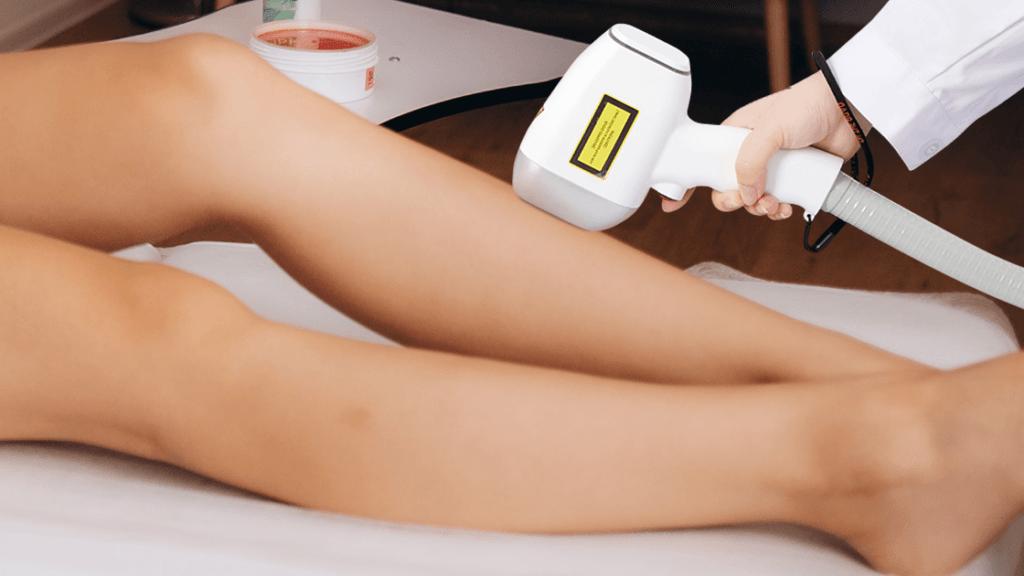
Laser hair removal operates on the principle of selective photothermolysis, where laser energy targets melanin, the pigment in hair follicles. The absorbed energy is converted into heat, damaging the follicle while leaving surrounding tissue largely unaffected. This process temporarily halts hair growth and reduces hair density over repeated sessions. The contrast between hair pigment and skin color is a key factor in the treatment’s success. Melanin-rich hair absorbs more energy, making dark hair easier to treat. Understanding this mechanism explains why hair color directly impacts the efficiency of laser treatments and why personalized protocols are necessary for different individuals.
Different Types of Laser Devices
Various laser technologies have been developed to optimize hair removal for different skin tones and hair colors.
- Alexandrite lasers (755 nm) are highly effective for lighter skin tones with dark hair due to their strong melanin absorption.
- 다이오드 레이저 (800–810 nm) are versatile for medium skin tones, providing effective follicle targeting while maintaining epidermal safety.
- Nd:YAG lasers (1064 nm) are suitable for darker skin tones, as their longer wavelength reduces melanin absorption in the epidermis, lowering the risk of burns or hyperpigmentation.
Understanding the appropriate laser type allows practitioners to select devices that maximize efficacy and safety, especially when treating a diverse patient population with varying hair colors.
Hair Color and Laser Effectiveness
Hair pigment significantly affects how efficiently laser hair removal works. The treatment’s reliance on melanin absorption explains why hair color matters.
Dark Hair vs. Light Hair
Dark hair contains high melanin concentrations, making it highly responsive to laser energy. The laser effectively targets the follicle, disrupting growth and reducing hair density over sessions. Conversely, lighter hair colors such as blonde, red, or gray have less melanin, absorbing less laser energy and responding more slowly to treatment. Specialized laser settings or devices may be required to achieve comparable results for lighter hair. While laser hair removal can be performed on all hair colors, understanding this distinction helps set realistic expectations and allows practitioners to tailor treatment plans accordingly.
Factors Affecting Hair Removal Success
Hair removal success is influenced by more than just color. Hair thickness, density, and growth phase significantly affect results. Coarse, dense hair absorbs laser energy more effectively than fine, sparse hair. The anagen (active growth) phase is when hair is most susceptible to laser damage, making treatment timing critical. Skin tone also plays a role; higher melanin levels in the epidermis can absorb laser energy, potentially reducing follicle targeting efficiency. Considering these variables allows for individualized treatment strategies, enhancing results while minimizing risks.
Safety Considerations for Different Hair Colors
Ensuring safety during laser hair removal is critical, particularly when addressing varying hair colors and skin tones.
Risk of Burns or Hyperpigmentation
While laser hair removal is generally safe, certain risks exist, particularly with light-colored hair or darker skin tones. Hair with low melanin content may not absorb sufficient energy, potentially prompting practitioners to increase laser intensity. If improperly adjusted, this can lead to skin irritation, burns, or hyperpigmentation. Careful assessment of hair and skin characteristics, along with conservative laser settings, is essential to prevent complications. Understanding these safety concerns allows patients to make informed decisions and practitioners to tailor treatments effectively.
Modern Laser Technologies Enhancing Safety
Advancements in laser technology have significantly improved safety and efficacy for a wide range of hair and skin types. Multi-wavelength systems and adjustable pulse durations enable customized treatment plans that minimize epidermal damage. Integrated cooling mechanisms protect the skin surface during laser delivery, enhancing comfort and reducing side effects. These innovations allow treatment of previously challenging cases, including light or gray hair, while maintaining high safety standards. Choosing the appropriate technology and individualized protocols ensures effective hair removal with minimal risks.
Tips to Improve Laser Hair Removal Results
Optimizing outcomes requires proper preparation and aftercare, ensuring the procedure is both effective and safe.
Pre-Treatment Preparation
Pre-treatment practices can significantly affect laser efficacy. Patients should shave the treatment area to provide a clear target for the laser while avoiding waxing or plucking, which removes the follicle. Avoiding sun exposure and tanning products before sessions helps reduce the risk of pigmentation changes. Gently exfoliating the skin removes dead cells, improving laser penetration. Educating patients on these steps ensures the procedure targets the hair follicle effectively while protecting the surrounding skin.
치료 후 관리
Post-treatment care is critical for maintaining results and preventing side effects. Applying soothing creams or aloe vera reduces inflammation, while avoiding friction and sun exposure protects sensitive areas. Patients should follow the practitioner’s recommendations for session intervals to target hairs in their active growth phase. Proper aftercare enhances patient comfort, supports optimal follicle disruption, and contributes to the long-term effectiveness of the treatment.
Frequently Asked Questions (FAQ)
Can blonde or red hair be treated effectively?
Yes, though lighter hair absorbs less laser energy. Specialized lasers or additional sessions may be needed for optimal results.
How many sessions are typically required for different hair colors?
Treatment schedules vary by hair pigment, thickness, and growth cycle. Dark hair often responds more quickly, while light hair may require additional sessions.
Are there specific lasers for gray or fine hair?
Longer wavelength lasers or combined technologies can be more effective for fine, gray, or light-colored hair.
What precautions should be taken for darker skin tones?
Practitioners should select appropriate wavelengths, use epidermal cooling systems, and adjust energy carefully to avoid hyperpigmentation or burns.
결론
Hair color significantly influences the effectiveness and safety of laser hair removal. Dark hair, rich in melanin, typically responds more efficiently, while light, gray, or red hair may require specialized approaches or technologies. Modern laser systems allow safe and effective treatment across a variety of hair and skin types, while individualized pre-treatment preparation and post-treatment care maximize outcomes. Patients seeking laser hair removal should consult experienced practitioners to develop tailored treatment plans, ensuring both optimal hair reduction and skin safety. Understanding these factors empowers patients to achieve effective, long-lasting results with minimal risk.
References
American Academy of Dermatology. “Laser hair removal.”
https://www.aad.org/public/cosmetic/hair-removal
Gold MH, et al. “Laser hair removal: A review of principles and efficacy.” Dermatologic Surgery, 2016.
https://pubmed.ncbi.nlm.nih.gov/26854632
Dierickx CC. “Laser hair removal: Safety, efficacy, and patient selection.” Seminars in Cutaneous Medicine and Surgery, 2011.
https://pubmed.ncbi.nlm.nih.gov/21486671
Rhein Lasers. “Hair Removal Treatments.”