
Introduzione
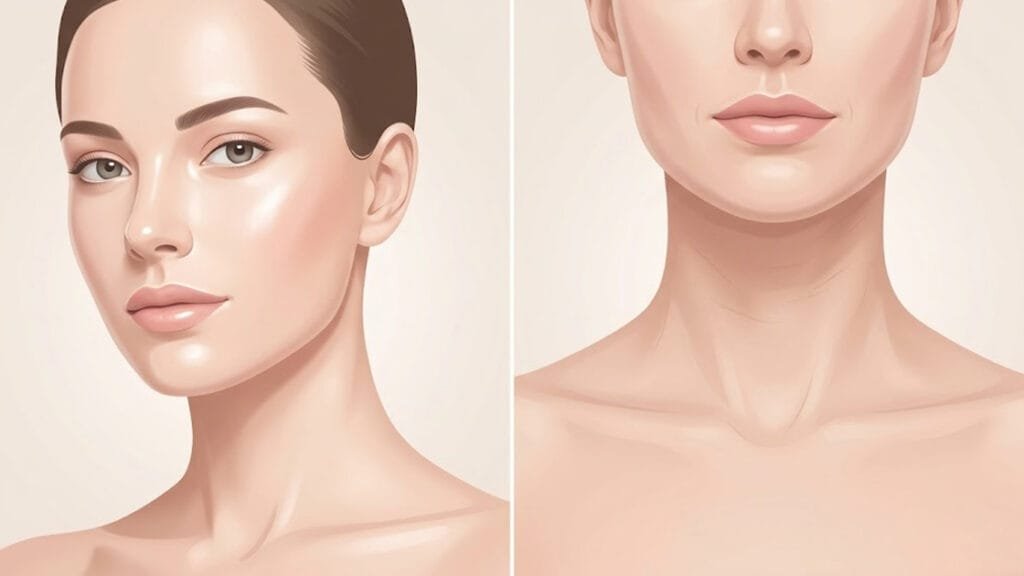
You stand in front of your closet, reaching past those flattering scoop‑neck tops you used to love, and settle for another high‑collared shirt. The neck that once felt like an asset now feels like something to hide. For countless women, this moment arrives sometime in their forties or fifties—the realization that their neck betrays their age. The skin becomes crepey, horizontal lines deepen, vertical bands appear, and the once‑defined jawline softens. You do not have to accept this change or undergo surgery. Radiofrequency (RF) skin tightening technology offers a non‑invasive, clinically proven solution that restores youthful neck contour, smooths crepey texture, and helps women confidently wear scoop necks again. This article explains why the neck ages so quickly, how RF energy rebuilds collagen, and what results women can realistically expect.
1. Why the Neck Ages Faster Than the Face
The neck often shows signs of aging earlier and more dramatically because its anatomy differs from facial skin. Understanding these differences explains why RF tightening works so well here.
1.1 Thinner Skin and Fewer Oil Glands
The neck has fewer sebaceous glands than the face, which means less natural moisture and protection. This thinner skin also contains less collagen and elastin from the start. Without a thick support structure, gravity pulls down the tissue more easily. Repeated sun exposure depletes the limited collagen even faster. Many women moisturize their face daily but forget their neck, accelerating the visible decline. By the time horizontal lines become permanent, the skin has lost significant structural integrity.
1.2 The Platysma Muscle and Vertical Bands
Underneath the neck skin lies the platysma, a thin, sheet‑like muscle that runs from the jaw to the collarbone. With age, this muscle weakens and separates along the midline. The separation creates two vertical bands that become visible when you speak or tense your neck. These bands contribute to the “turkey neck” appearance that even expensive creams cannot fix. RF energy penetrates deep enough to reach this muscle layer, heating it to encourage contraction and tightening, which reduces the prominence of these bands.
1.3 Cumulative Damage from Daily Movements
You look down at your phone, tilt your head during conversations, and turn your neck while driving. These small but constant movements stretch the neck skin thousands of times per day. Unlike facial skin, which rests on a thick layer of fat and muscle, the neck has less padding. The repetitive creasing creates permanent horizontal lines, often called “tech neck” or “necklace lines.” Once formed, these lines require more than hydration—they need collagen regeneration. RF therapy addresses the root cause by stimulating new fiber production deep within the dermis.
2. How Radiofrequency Energy Restores Neck Skin
Radiofrequency technology uses controlled electromagnetic waves to heat the deeper layers of the skin without damaging the surface. This heat triggers the body‘s natural healing cascade, leading to tighter, smoother neck skin over several months.
2.1 Selective Heating of the Dermis
RF waves pass harmlessly through the outer skin layer (epidermis) because water content here is low. They target the dermis, where water and collagen fibers absorb the energy. The temperature rises to approximately 40–45°C, a level that denatures old, disorganized collagen without burning the tissue. This controlled thermal injury sends a signal to fibroblasts—the cells responsible for making collagen—to produce new, organized fibers. The result is progressive tightening over 3 to 6 months as the new collagen matures.
2.2 Immediate vs. Delayed Effects
You will see two types of improvement. The first is immediate: heat causes existing collagen fibers to contract, producing an instant visible tightening of about 10‑20%. This effect lasts a few days to a week. The second, more significant effect comes from new collagen synthesis. Over several months, the new fibers fill in the gaps, smoothing horizontal lines and firming the entire neck area. Most women notice the best results around 3 to 4 months after their final treatment. The skin continues to improve for up to 6 months.
2.3 Depth Control for Neck Safety
The neck contains critical structures: the trachea, carotid arteries, thyroid gland, and nerves. RF devices designed for neck tightening use sophisticated feedback systems to control the depth of energy penetration. They adjust the frequency and power based on tissue temperature readings. These safety features ensure that the heat stays within the dermis and does not reach underlying organs. When performed correctly, RF neck tightening carries minimal risk. This precision makes RF a safer alternative to surgical neck lifts for women with mild to moderate aging signs.
2.4 No Downtime, No Scarring
Unlike a surgical neck lift that requires incisions behind the ears, general anesthesia, and weeks of recovery, RF skin tightening has zero downtime. A typical session lasts 20 to 30 minutes. You walk in during lunch, receive the treatment, and return to work immediately. There are no bandages, no stitches, and no scars. Some women experience mild redness for an hour or two, but this fades quickly. You can wear makeup, exercise, and resume all normal activities the same day. This convenience makes RF the preferred choice for busy professionals.
3. What Women Can Expect from RF Neck Tightening
Knowing the realistic timeline and outcomes helps you decide if RF therapy fits your goals. The treatment is not a magic wand, but it delivers consistent, satisfying improvements for most women.
3.1 Number of Sessions and Spacing
Most women require 3 to 6 sessions to achieve optimal results. Each session takes place 2 to 4 weeks apart. A single session alone provides modest tightening, but the cumulative effect of multiple sessions creates visible transformation. Women with mild crepey skin and fine lines often need only 3 sessions. Those with moderate sagging, deep horizontal lines, or visible platysmal bands may need 5 or 6 sessions. After completing the initial series, many women schedule one maintenance session every 6 to 12 months.
3.2 What You Feel During Treatment
You will lie comfortably with your neck slightly extended. The clinician applies a conductive gel to the skin, then glides a handheld applicator over the neck. Most women feel a deep, gentle warming sensation. The device monitors skin temperature and adjusts power automatically to keep it safe and tolerable. Some areas, such as under the chin, may feel slightly warmer. The treatment does not require numbing cream or anesthesia. Many women describe the experience as relaxing, similar to a warm stone massage on their neck.
3.3 Visible Results Timeline
You will notice immediate tightening after the first session, but this temporary effect fades within a week. Do not be discouraged. The real changes begin around week 3 as new collagen starts to form. By the second or third session, you may see subtle improvements in skin texture and a reduction in horizontal lines. At 3 months after the final session, the neck looks noticeably firmer, the jawline appears more defined, and the crepey texture smooths out significantly. Women who also address their décolletage see the most harmonious results.
3.4 Who Is a Good Candidate
RF skin tightening works best for women with mild to moderate neck aging. Ideal candidates have some skin laxity but not excessive loose folds that require surgery. The treatment also suits those who want to prevent further aging after seeing early signs. Women with very thin neck skin or severe sun damage may need additional sessions. RF does not work well for women with implanted electronic devices (pacemakers) or those who are pregnant. A consultation with a trained provider will determine your candidacy.
4. Long‑Term Benefits and Maintenance
RF tightening does not stop the aging process, but it resets your neck’s collagen baseline. With proper maintenance, the results can last for years.
4.1 Collagen Banking for Future Years
Every RF session stimulates new collagen production that continues for months after treatment. This new collagen integrates into your skin‘s existing framework, creating a more resilient structure. Think of it as depositing collagen into a “bank” that your body can draw from as natural aging continues. Even as you lose some collagen each year, you start from a higher baseline. Women who undergo RF in their forties often still look better in their fifties than they would have without treatment.
4.2 Skin Care to Support Results
RF works best when you support it with proper skincare. Daily sunscreen on the neck prevents further photoaging, which is the number one cause of collagen breakdown. Use a retinol or peptide cream at night to complement the RF’s collagen stimulation. Stay hydrated and avoid smoking. These habits extend the life of your results. Many women also add a gentle neck stretch routine to reduce muscle tension that contributes to band formation.
4.3 When to Repeat Treatment
Most women enjoy the full benefits of RF neck tightening for 12 to 18 months before noticing gradual regression. At that point, a single maintenance session restores the tightening effect. Some women schedule a session once a year, just before summer or holiday season, as a “prejuvenation” measure. The maintenance sessions take less time than the initial series because your skin already has a strong collagen foundation. This long‑term strategy costs far less than surgery and avoids surgical risks entirely.
Frequently Asked Questions (FAQ)
Q1: Does RF skin tightening hurt?
No. You feel a deep, pleasant warmth. The device monitors skin temperature to prevent overheating.
Q2: How soon can I wear makeup or go back to work?
Immediately after the session. There is no downtime, redness typically fades within an hour.
Q3: Will RF tighten loose skin under my chin as well?
Yes. The same treatment covers the entire neck and submental area, improving jawline definition.
Q4: How many sessions until I can wear scoop necks confidently?
Most women feel ready to wear lower necklines after 3 to 4 sessions, when the crepey texture visibly smooths.
Q5: Is RF safe for thin neck skin that already feels fragile?
Yes, when performed by an experienced provider. The energy is precisely controlled to treat thin skin safely.
Conclusione
Your neck does not have to dictate your wardrobe. The crepey texture, horizontal lines, and soft jawline that make you reach for high collars are not irreversible. Radiofrequency skin tightening offers a non‑surgical, no‑downtime path to restoring youthful neck contour. By heating the deep dermis, RF stimulates your body‘s own collagen production, smoothing lines, tightening lax skin, and reducing the appearance of vertical bands. With a typical series of 3 to 6 sessions, women see progressive improvement over several months—and the confidence to wear the scoop necks they left hanging in the closet. Aging happens, but hiding does not have to.
References
American Society for Dermatologic Surgery. Radiofrequency Skin Tightening Overview.
https://www.asds.net/skin-experts/skin-treatments/radiofrequency-skin-tightening
Rhein Lasers. Non‑Surgical Skin Tightening Treatments.
https://www.rheinlasers.com/treatments
Alexiades M, et al. Radiofrequency for neck and submental laxity. J Drugs Dermatol. 2017;16(4):347‑353.
https://jddonline.com/articles/radiofrequency-for-neck-and-submental-laxity-S1545961617P0347X
Gold MH, et al. A multicenter evaluation of a novel radiofrequency device for facial and neck tightening. J Cosmet Laser Ther. 2018;20(5):287‑292.
https://www.tandfonline.com/doi/full/10.1080/14764172.2017.1418515
Sadick NS. The role of radiofrequency in neck rejuvenation. Facial Plast Surg Clin North Am. 2020;28(1):79‑85.
https://www.facialplastic.theclinics.com/article/S1064-7406(19)30084-5/fulltext