Introduzione
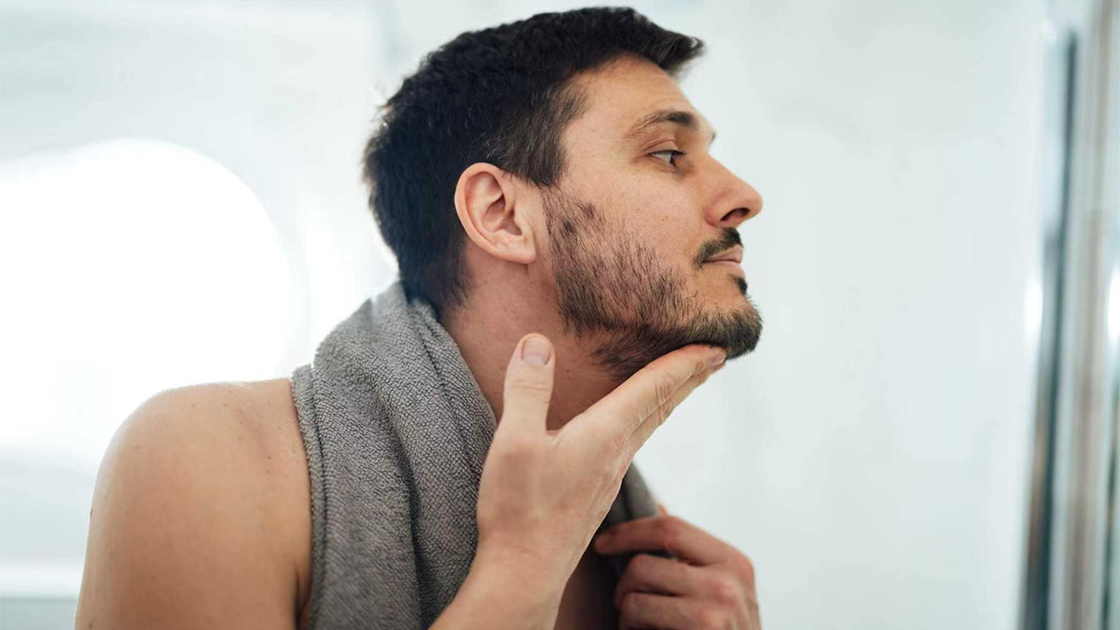
Laser hair removal has become an increasingly popular option in modern aesthetic care, especially for individuals with sensitive skin who often struggle with irritation, redness, and ingrown hairs caused by traditional shaving or waxing methods. Instead of relying on repeated mechanical or chemical stress on the skin surface, light-based aesthetic systems offer a more controlled and non-invasive way to address unwanted hair concerns. In professional aesthetic environments, advanced laser platforms designed for gentle energy delivery are commonly used to support smoother skin appearance while prioritizing overall skin comfort and barrier stability.
1. Sensitive Skin and the Challenges of Traditional Hair Removal
1.1 Why Sensitive Skin Reacts More Easily
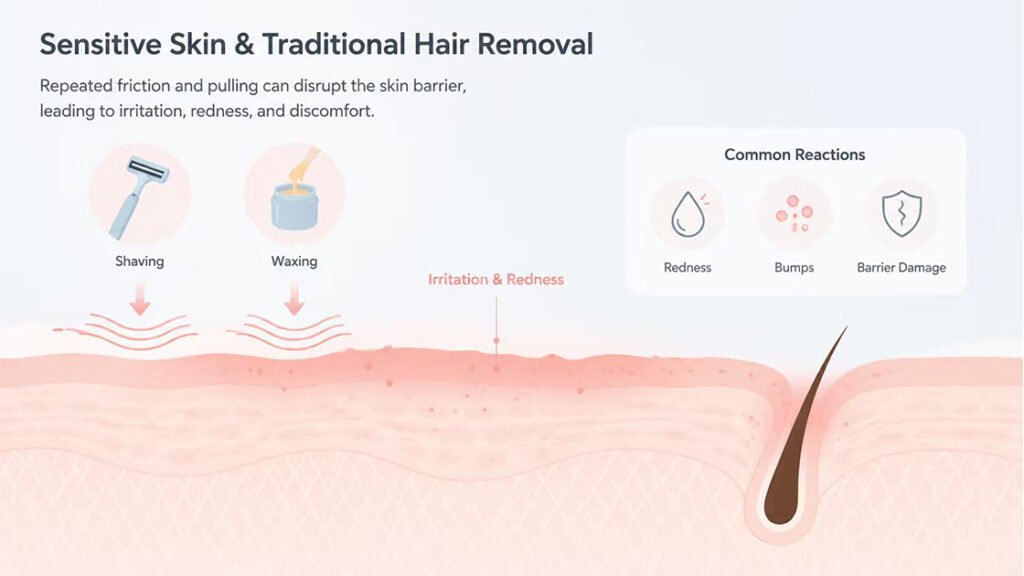
Sensitive skin typically has a more reactive barrier function, which means it responds quickly to external stimulation such as friction, heat, or chemical exposure. Traditional shaving can create micro-irritations on the skin surface, while waxing introduces stronger mechanical pulling forces. These repeated stress factors often lead to redness, discomfort, or visible inflammation, especially in areas with frequent hair removal routines.
1.2 The Skin Barrier and Irritation Cycle
When the skin barrier is repeatedly disrupted, it can enter a cycle of sensitivity where even mild grooming activities cause noticeable reactions. This cycle often contributes to uneven skin texture and discomfort, making long-term hair removal management more challenging for individuals with reactive skin types.
1.3 Ingrown Hair as a Common Concern
Ingrown hairs are another frequent issue associated with traditional hair removal methods. They occur when hair grows back into the skin instead of outward, often leading to small bumps or localized irritation. This condition is more common in areas with thicker or curly hair types and can significantly affect skin smoothness.
2. How Laser-Based Hair Reduction Supports Sensitive Skin
2.1 Light Energy and Hair Follicle Interaction
Laser-based hair reduction uses targeted light energy that interacts with pigment within the hair follicle. This controlled interaction influences the follicle’s activity over time, gradually supporting a reduction in visible hair growth. Because the process focuses on follicular structures rather than surface-level manipulation, it reduces unnecessary physical stress on the skin.
2.2 Minimizing Mechanical Stress on the Skin
One of the key advantages of laser-based systems is the reduction of mechanical irritation. Unlike shaving or waxing, there is no repetitive scraping or pulling motion against the skin. This makes the approach particularly relevant for sensitive skin types that struggle with frequent irritation cycles.
2.3 Supporting Smoother Skin Appearance
Beyond hair reduction, many individuals are also concerned with achieving a more even and refined skin appearance. By reducing recurring irritation and minimizing ingrown hair formation, laser-based approaches can contribute to a smoother-looking skin texture over time.
3. Addressing Ingrown Hair and Skin Texture Concerns
3.1 How Ingrown Hairs Develop
Ingrown hairs typically occur when newly growing hair becomes trapped beneath the skin surface instead of emerging normally. This can lead to small inflamed bumps, uneven texture, and occasional discomfort. The issue is often worsened by repeated shaving or waxing in the same area.
3.2 Influence of Laser Energy on Hair Growth Patterns
Laser-based systems interact with the follicular environment in a way that supports more regulated hair growth behavior over time. While results vary depending on individual skin and hair characteristics, the gradual nature of this interaction is often associated with a reduction in irregular hair growth patterns that contribute to ingrown hairs.
3.3 Improving Skin Surface Consistency
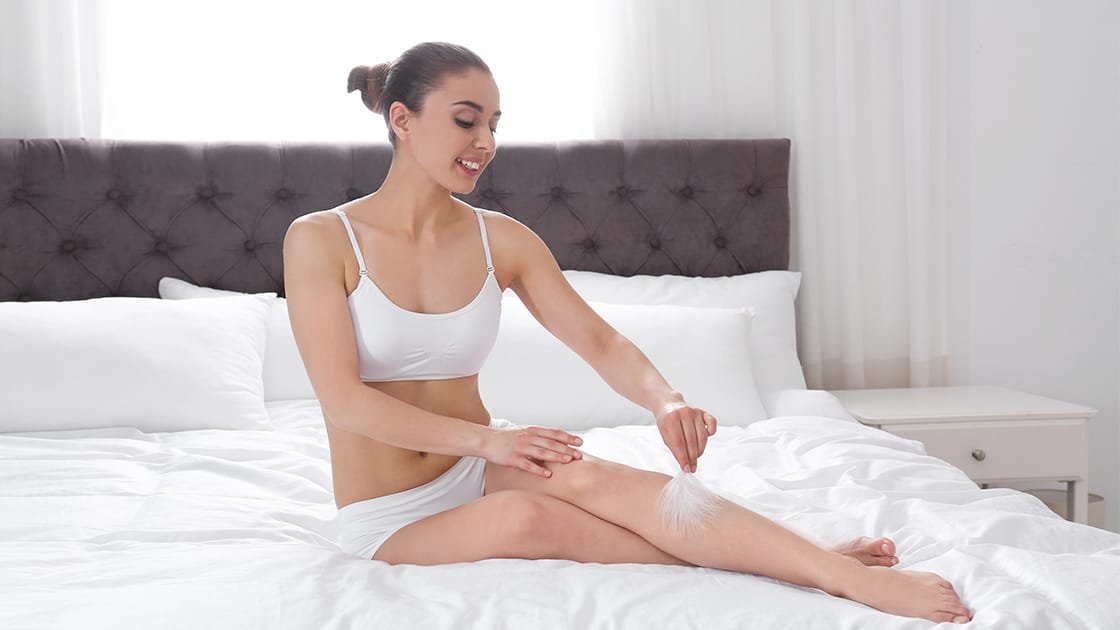
As irritation cycles decrease and hair growth becomes less disruptive to the skin surface, the overall appearance of the skin tends to look more consistent. This is especially noticeable in commonly treated areas such as underarms, legs, and bikini regions.
4. Trends in Non-Invasive Aesthetic Hair Removal
4.1 Shift Toward Gentle Aesthetic Technologies
Modern aesthetic preferences are increasingly shifting toward non-invasive technologies that minimize downtime and reduce skin stress. Light-based systems fit into this trend by offering controlled energy delivery without direct physical abrasion of the skin surface.
4.2 Integration in Professional Aesthetic Environments
In professional skincare and aesthetic environments, advanced laser systems are often integrated into broader treatment frameworks focused on skin appearance improvement. These systems are valued for their precision, consistency, and adaptability across different skin types and treatment areas.
4.3 Growing Demand for Long-Term Grooming Solutions
Consumers are increasingly looking for long-term grooming approaches that reduce the need for daily or weekly maintenance. Laser-based hair reduction aligns with this demand by offering a more sustained approach to managing unwanted hair while supporting overall skin comfort.
5. Considerations for Sensitive Skin in Laser Hair Removal
5.1 Individual Skin Response Variability
Sensitive skin varies widely between individuals, influenced by genetics, environment, and skincare habits. Because of this variability, aesthetic approaches are often tailored to ensure compatibility with different skin response levels.
5.2 Hair Type and Treatment Area Differences
Hair thickness, density, and growth direction can influence how the skin responds to hair reduction methods. Areas with denser or coarser hair may require different aesthetic considerations compared to finer hair regions.
5.3 Long-Term Skin Comfort Perspective
Rather than focusing solely on immediate cosmetic outcomes, sensitive skin care often emphasizes long-term comfort and stability. Laser-based hair reduction is commonly positioned within this broader perspective as part of ongoing aesthetic maintenance strategies.
Conclusione
Laser hair removal for sensitive skin represents a shift toward gentler, non-invasive aesthetic approaches that prioritize skin comfort while addressing unwanted hair concerns. By reducing mechanical irritation and interacting with hair follicles through controlled light energy, these systems offer an alternative pathway for individuals who experience discomfort with traditional methods. In professional aesthetic environments, advanced laser platforms continue to support this trend by providing adaptable solutions that align with modern expectations for skin-friendly and long-term grooming care.
References
American Academy of Dermatology – Laser Hair Removal Overview
https://www.aad.org/public/cosmetic/hair-removal/laser-hair-removal
Mayo Clinic – Laser Hair Removal Information
https://www.mayoclinic.org/tests-procedures/laser-hair-removal/about/pac-20394555
Cleveland Clinic – Ingrown Hair Causes and Care
https://my.clevelandclinic.org/health/diseases/17746-ingrown-hair
Journal of Cosmetic and Laser Therapy – Hair Reduction Mechanisms
https://www.tandfonline.com/journals/iclb20
NIH – Laser and Light-Based Hair Removal Research Overview
https://www.ncbi.nlm.nih.gov/pmc/articles/PMC3926176/