Introduzione
Photoaging, or skin aging caused by chronic sun exposure, is a major contributor to wrinkles, hyperpigmentation, and dull skin tone. While daily skincare routines and sunscreen are important, they cannot completely reverse existing sun damage. Modern skin rejuvenation techniques, such as Pico laser, radio frequency (RF), and microneedling, offer scientifically validated ways to restore skin health and appearance. By targeting the structural and cellular changes caused by ultraviolet (UV) radiation, these treatments can improve texture, tone, elasticity, and overall radiance. This blog explores the mechanisms, procedures, and benefits of skin rejuvenation, providing a comprehensive guide for anyone seeking to transform sun-damaged skin into a youthful, glowing complexion.
1. Understanding Photoaging and Its Causes
Understanding the underlying causes of photoaging is essential for choosing an effective skin rejuvenation strategy.
1.1 What Is Photoaging?
Photoaging refers to premature skin aging due to prolonged UV exposure, distinguished from intrinsic aging caused by genetics and natural metabolic processes. Common signs include fine lines, wrinkles, hyperpigmentation, and uneven skin tone. Photoaging affects both the epidermis and dermis, leading to collagen and elastin degradation. Unlike intrinsic aging, photoaging often presents with darker spots, rough texture, and visible sun damage, making targeted interventions like laser therapy and RF especially beneficial. Understanding these signs allows clinicians to tailor rejuvenation techniques to address specific structural and pigmentary issues.
1.2 How UV Radiation Damages the Skin
Ultraviolet radiation, including UVA and UVB, penetrates skin layers and triggers reactive oxygen species (ROS) formation, oxidative stress, and inflammation. ROS damages DNA, proteins, and lipids, accelerating collagen breakdown and reducing skin elasticity. UV exposure also activates matrix metalloproteinases (MMPs), enzymes that degrade dermal collagen, contributing to wrinkles and sagging. The combination of oxidative stress and chronic inflammation creates an ideal scenario for photoaging. Modern laser and RF treatments work by stimulating collagen synthesis, promoting skin repair, and reversing these UV-induced changes.
2. Skin Rejuvenation Techniques for Photoaging
Several advanced treatments target different aspects of photoaging, providing comprehensive skin restoration.
2.1 Pico Laser Treatments
Pico laser delivers ultrashort pulses of energy in the picosecond range, targeting pigmented lesions and stimulating collagen production without significant thermal damage. It effectively reduces sun spots, melasma, and fine lines, and improves overall skin tone. Pico laser’s precision minimizes downtime and risks while maximizing aesthetic results. Patients often experience gradual improvement over several sessions, with enhanced brightness, smoother texture, and reduced pigmentation. Its non-ablative nature allows individuals with active lifestyles to resume daily activities quickly.
2.2 RF (Radio Frequency) and Microneedling
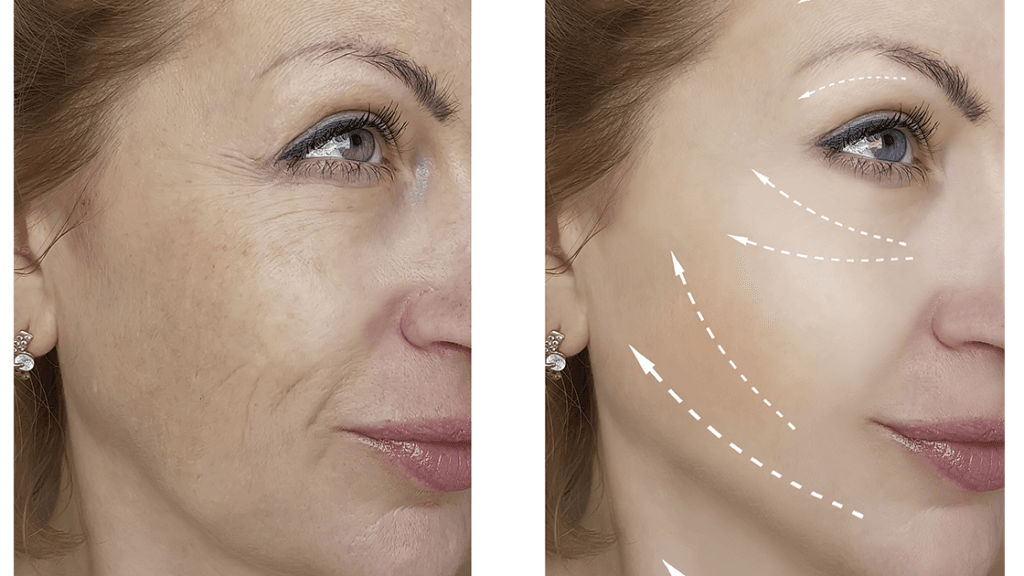
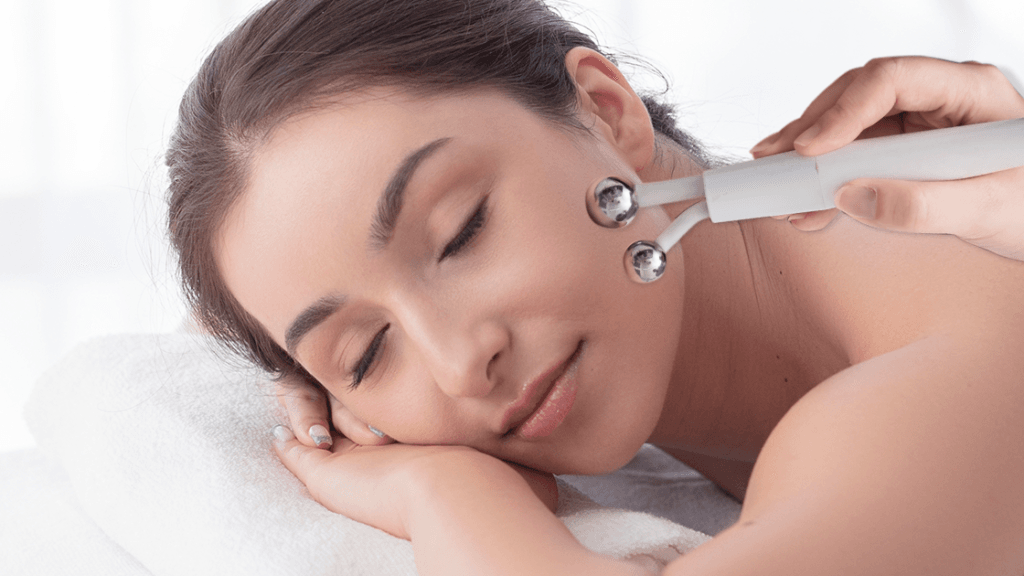
Radio Frequency (RF) uses electromagnetic energy to generate controlled heat within the dermis, promoting collagen remodeling and elastin fiber formation. It is effective for mild to moderate wrinkles, skin laxity, and textural irregularities. Microneedling creates microchannels in the epidermis, triggering the body’s natural wound-healing response, boosting collagen and elastin synthesis. Both methods improve skin firmness and smoothness, and can be combined with serums or PRP (platelet-rich plasma) to enhance regenerative effects. These treatments complement laser procedures for holistic rejuvenation.
2.3 Combination Therapies
Combining Pico laser, RF, and microneedling often yields superior results. For example, Pico laser addresses pigmentation and superficial irregularities, RF tightens underlying tissue, and microneedling stimulates dermal regeneration. This integrated approach treats multiple layers of skin, providing enhanced texture, elasticity, and radiance. Combination therapies are customized based on individual skin type, age, and the severity of photoaging, ensuring a targeted, effective, and safe rejuvenation plan.
3. Targeting Specific Photoaging Concerns
Different photoaging manifestations require distinct treatment approaches.
3.1 Wrinkles and Fine Lines
Wrinkles result from collagen and elastin degradation in the dermis. RF and microneedling stimulate fibroblasts to produce new collagen, effectively reducing fine lines and improving skin elasticity. Laser treatments can further smooth the epidermis and minimize superficial lines. Regular sessions result in a noticeable reduction in wrinkle depth and improved skin resilience. These interventions, when combined with proper skincare, provide long-lasting rejuvenation without invasive surgery.
3.2 Hyperpigmentation and Sun Spots
Sun spots and hyperpigmentation occur due to melanin overproduction triggered by UV exposure. Pico laser specifically targets melanin granules, breaking them down without damaging surrounding tissue. Over time, the immune system clears these pigment fragments, resulting in a more uniform skin tone. Combined with RF or microneedling, treatments also improve overall brightness and skin texture, giving the complexion a youthful glow. Patients typically see visible improvement after a few sessions.
3.3 Skin Texture and Elasticity
Photoaging often leads to rough, uneven texture and decreased skin elasticity. Microneedling and RF promote dermal remodeling, tightening tissue, shrinking pores, and smoothing irregularities. These treatments also enhance the absorption of topical agents, increasing hydration and further improving texture. By stimulating natural regenerative processes, skin becomes firmer, smoother, and more resilient, addressing multiple photoaging symptoms simultaneously.
4. Procedure and What to Expect
Understanding the procedure helps set realistic expectations for patients.
4.1 Pre-Treatment Consultation
A thorough consultation evaluates skin type, degree of photoaging, medical history, and prior treatments. Clinicians create a personalized plan, selecting appropriate devices, settings, and combination therapies to maximize results while minimizing risks. Proper consultation ensures safety and improves treatment outcomes.
4.2 Durante la sessione
During treatment, the clinician applies the chosen laser or RF device systematically. Patients may feel mild warmth, tingling, or slight stinging, managed by topical anesthetics or cooling systems. Sessions typically last 20–60 minutes depending on the area treated. Advanced devices allow precise control of energy delivery, protecting surrounding tissue while effectively targeting damaged areas.
4.3 Assistenza post-trattamento
Post-treatment care is essential for optimal results. Patients are advised to avoid sun exposure, use broad-spectrum sunscreen, and maintain proper hydration. Mild redness, swelling, or flaking is common and resolves within days. Following the clinician’s instructions regarding skincare products, makeup use, and activity restrictions ensures faster healing and enhances treatment efficacy.
5. Who Can Benefit from Skin Rejuvenation
Different individuals can achieve significant improvements through tailored treatments.
5.1 Age Groups
- 30s–50s: Early intervention prevents further photoaging, addresses fine lines and pigmentation.
- 60+: More advanced interventions restore elasticity, reduce deep wrinkles, and improve overall skin quality. Early and ongoing care maximizes cumulative benefits.
5.2 Skin Types and Concerns
Patients with sun spots, wrinkles, dullness, or enlarged pores benefit most. Treatments are customized to skin tone and sensitivity, ensuring safety and efficacy. Darker skin types may require adjusted laser parameters to minimize hyperpigmentation risk.
5.3 Lifestyle Factors
Individuals with high sun exposure, outdoor occupations, or prior tanning habits are prime candidates. Skin rejuvenation reverses sun-induced damage, restoring a youthful appearance while complementing ongoing sun-protection strategies.
6. Safety and Side Effects
6.1 Effetti collaterali comuni
Side effects are typically mild and temporary, including redness, swelling, tenderness, or slight peeling. Proper technique and device settings minimize complications. Most patients can resume normal activities within hours to a few days.
6.2 Precautions
Patients with active skin infections, pregnancy, certain dermatologic conditions, or photosensitive medications should consult a physician before treatment. Adhering to post-treatment care and avoiding excessive sun exposure reduces risks such as post-inflammatory hyperpigmentation (PIH) or irritation.
7. Frequently Asked Questions (FAQ)
How many sessions are needed to see results?
Typically, 3–6 sessions spaced 3–6 weeks apart provide noticeable improvements in tone, texture, and pigmentation.
Is there downtime after laser or RF treatments?
Minimal downtime; mild redness or flaking may occur, resolving within a few days.
Can skin rejuvenation reverse deep wrinkles completely?
Treatments improve appearance and elasticity but may not eliminate very deep wrinkles; combination with fillers or surgical options may be considered.
Are combination therapies more effective than single treatments?
Yes, combining Pico laser, RF, and microneedling addresses multiple skin layers, enhancing collagen remodeling, pigment correction, and texture improvement.
Conclusione
Modern skin rejuvenation techniques effectively reverse photoaging, addressing wrinkles, hyperpigmentation, and loss of elasticity. Pico lasers, RF, and microneedling stimulate natural regenerative processes, improving collagen production and restoring youthful radiance. Tailored treatments, combined with proper skincare and sun protection, offer safe, non-invasive solutions for achieving glowing, healthy skin. Patients benefit from both aesthetic improvements and long-term skin health.
References
Rhein Lasers. “Skin Rejuvenation Treatments”
https://www.rheinlasers.com/treatments/skin-rejuvenation
Manuskiatti W, et al. “Laser treatments for photoaging”, J Cosmet Dermatol.
https://pubmed.ncbi.nlm.nih.gov/27632024
Alster TS, et al. “Fractional laser resurfacing for facial rejuvenation”, Dermatol Surg.
https://pubmed.ncbi.nlm.nih.gov/19137186
Tierney EP, et al. “Nonablative laser therapy for photodamage”, Dermatol Clin.
https://pubmed.ncbi.nlm.nih.gov/20097287
Hantash BM, et al. “Microneedling and RF for collagen induction”, Lasers Surg Med.