Introduction
Maintaining a stable weight does not always mean achieving the body shape a person wants. Some individuals follow consistent eating habits, exercise regularly, and remain close to their preferred weight, yet still notice small pockets of fat around the waist and flanks. Often called love handles, these areas can affect how clothing fits and how the waistline looks from different angles. For people who are not seeking overall weight loss but want to explore more defined body contours, non-surgical body contouring may be worth discussing with a qualified aesthetic professional. This article explains why localized flank fat can remain noticeable despite stable weight, how 1064nm laser lipolysis may support targeted fat reduction, how radiofrequency technology can complement body contouring, and what individuals should consider when evaluating treatment options.
1. Why Localized Flank Fat Can Remain Despite a Stable Weight
Body weight reflects several factors, including fat mass, muscle mass, water balance, and skeletal structure. It does not show exactly where the body stores fat. As a result, someone can maintain a consistent weight while still noticing changes in waistline definition or the appearance of the flanks.
1.1 Understanding Fat Distribution Around the Waist
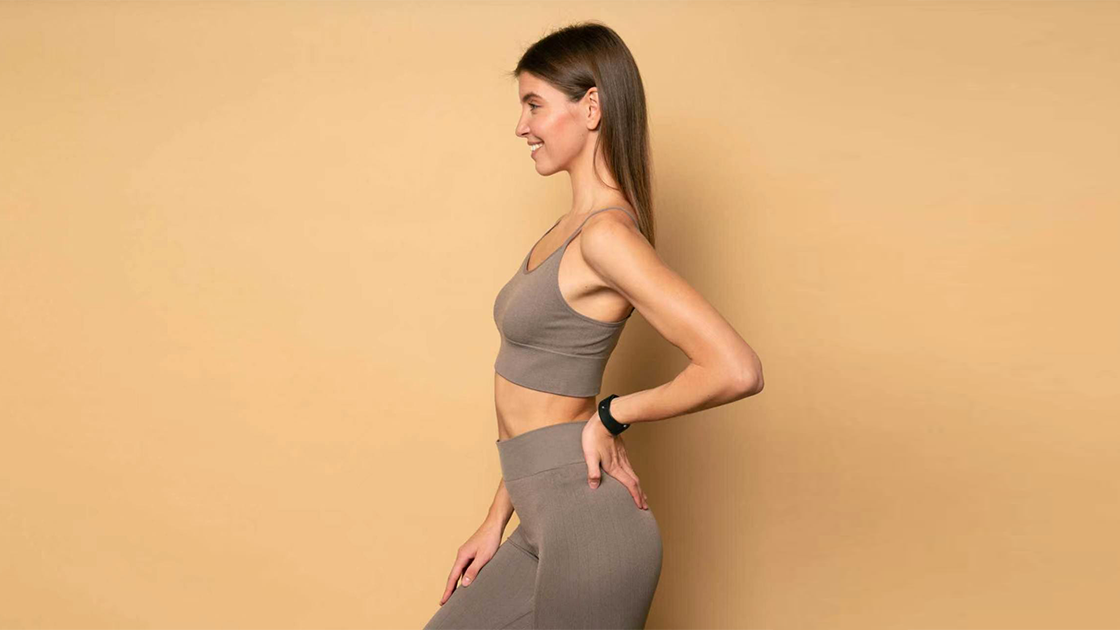
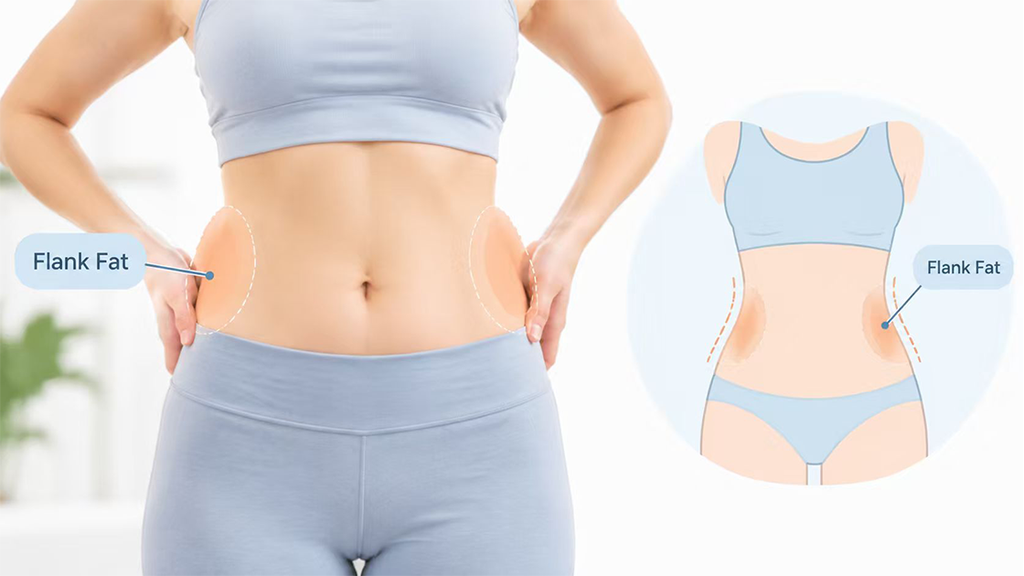
The flanks are the areas along the sides of the torso, between the lower ribs and hips. Fat in this region can create a softer waistline or visible bulges above the waistband. Genetics, age, hormones, and individual fat distribution patterns all influence how much fat accumulates around the waist. Even people with generally healthy body composition may have localized deposits that respond differently to lifestyle changes than other areas.
1.2 The Difference Between Weight Loss and Body Contouring
Weight loss generally involves reducing total body mass, while body contouring focuses on the shape and proportions of specific areas. A person may reach a stable weight through nutrition and exercise but still have localized fat deposits around the flanks. This does not necessarily indicate a problem with their overall health or fitness. It simply reflects the fact that fat loss does not occur evenly across every body region. Non-surgical body contouring is designed to address selected areas rather than replace comprehensive weight management.
1.3 Why Exercise May Not Change Every Body Area Equally
Strength training, cardiovascular exercise, and balanced nutrition support overall health and body composition. However, exercises such as side planks, bicycle crunches, and rotational movements cannot selectively remove fat from the waist. These activities strengthen the underlying muscles, but the body determines where it mobilizes stored fat. This explains why someone may improve core strength and fitness while continuing to notice fullness around the flanks.
2. Identifying the Right Candidates for Flank Body Contouring
Before considering laser fat reduction, it is important to identify the actual concern. Not every change in waistline appearance comes from localized fat, and the best approach depends on skin quality, body composition, and personal goals.
2.1 Localized Fat Versus Loose Skin
Localized fat and loose skin can create similar changes in the waistline, but they are not the same concern. Fat deposits may feel soft or pinchable beneath the skin, while skin laxity is more closely associated with reduced firmness and elasticity. Some individuals experience both at the same time. A professional assessment can help determine whether a person may benefit more from a fat-reduction approach, a skin-tightening treatment, or a combination of options.
2.2 What Makes Someone a Potential Candidate?
People who maintain a relatively stable weight and have specific, localized fat deposits may consider a consultation about non-surgical body contouring. A suitable candidate should have realistic expectations and understand that treatment is intended to refine selected contours rather than produce substantial weight loss. Aesthetic professionals should also review medical history, skin condition, treatment goals, and any factors that could affect safety or suitability before recommending a procedure.
2.3 When Flank Fullness May Need a Different Approach
Not all fullness around the waist comes from superficial fat. Abdominal bloating, posture, muscle structure, deeper abdominal fat, and natural body proportions can also influence the appearance of the waistline. If the concern is mainly related to loose skin, significant weight changes, or abdominal symptoms, laser fat reduction may not address the underlying cause. A proper assessment helps prevent unrealistic expectations and supports a more appropriate treatment plan.
3. How 1064nm Laser Lipolysis Supports Targeted Fat Reduction
Laser lipolysis is one technology used in non-surgical body contouring. Systems using a 1064nm diode laser are designed to deliver controlled light energy to selected body areas, including the waist and flanks. The goal is to target localized adipose tissue while limiting unnecessary exposure to surrounding structures.
3.1 Understanding 1064nm Laser Energy
A 1064nm wavelength falls within the near-infrared region of the light spectrum. In laser lipolysis applications, the energy is delivered to a defined treatment area and interacts with underlying tissue. The intended biological response depends on the device design, energy delivery, treatment parameters, and individual tissue characteristics. This technology is different from conventional weight-loss methods because it focuses on selected body regions rather than reducing total body weight.
3.2 How Laser Lipolysis Targets Localized Fat
Non-invasive laser lipolysis systems are designed to deliver energy through applicators positioned over the treatment area. The 1064nm light interacts with adipose tissue and may initiate changes in targeted fat cells. The body’s natural processes then play a role in clearing cellular byproducts over time. Because treatment response varies, individuals should not expect an immediate or identical change in every treated area. A qualified provider should explain the technology, expected response, and limitations before treatment begins.
3.3 Why Treatment Area Coverage and Cooling Matter
Applicator design and energy distribution are important considerations in body contouring. A larger treatment window may help cover a broader area, while uniform energy delivery is intended to support consistent treatment across the selected region. Cooling systems can also contribute to treatment comfort by helping manage heat during energy delivery. In professional aesthetic settings, water-based and thermoelectric cooling may be incorporated into the equipment design. These features support the treatment process, but they do not eliminate the need for appropriate settings, skin monitoring, and trained operation.
4. Combining Fat Reduction and Skin-Tightening Strategies
For some individuals, reducing localized fat alone may not address every aspect of waistline appearance. Skin firmness and tissue quality can also influence how defined the flanks look. This is why treatment planning may consider both fat reduction and skin tightening when clinically appropriate.
4.1 The Role of Radiofrequency in Skin Tightening
Radiofrequency (RF) technology uses electromagnetic energy to generate controlled heat within targeted tissue. In aesthetic applications, this thermal effect may stimulate collagen-related responses and support improvements in skin firmness. For individuals with mild skin laxity around the waist, RF may be considered as part of a broader contouring plan. The degree of response depends on factors such as skin condition, treatment parameters, and individual tissue characteristics.
4.2 How Laser and RF Technologies May Complement Each Other
1064nm laser lipolysis and RF address different aspects of body contouring. Laser technology is used to target localized fat, while RF is commonly associated with skin-tightening applications. When a qualified provider considers both concerns relevant, the technologies may be incorporated into a coordinated treatment approach. However, combining technologies does not guarantee a better result for every person. Treatment selection should reflect the individual’s anatomy, skin quality, goals, and tolerance for the procedures.
4.3 Setting Realistic Expectations for Waistline Changes
Body contouring results are generally gradual rather than immediate. Changes may become more noticeable over several weeks as the body responds to treatment. The amount of visible contour refinement varies, and some individuals may see only subtle changes. Treatment cannot guarantee a specific waist measurement, clothing size, or degree of fat reduction. Before-and-after photographs, consistent measurement methods, and clear treatment goals can help providers and clients evaluate progress more objectively.
5. Planning a Safe and Balanced Body Contouring Journey
A thoughtful approach to flank fat reduction begins with an appropriate consultation and continues with realistic expectations and healthy long-term habits. Technology is only one part of the process; individual assessment and professional care remain essential.
5.1 Questions to Discuss During a Consultation
Before choosing a treatment, individuals should ask which technology will be used, what tissue it targets, and whether it is appropriate for their specific concern. It is also useful to discuss the expected treatment timeline, possible side effects, the number of sessions that may be considered, and how results will be evaluated. Providers should explain both the potential benefits and limitations rather than promise a particular outcome.
5.2 Understanding Possible Side Effects and Precautions
Non-surgical body contouring is not risk-free. Depending on the technology and individual response, temporary redness, swelling, tenderness, warmth, or discomfort may occur. The provider should review relevant medical history and identify any conditions or circumstances that could make treatment unsuitable. Individuals should also follow all pre-treatment and aftercare instructions and report unexpected or persistent symptoms to their healthcare professional.
5.3 Maintaining Results Through Consistent Lifestyle Habits
Body contouring does not replace balanced nutrition, regular physical activity, or long-term weight management. Although a treatment may target selected fat deposits, changes in body weight can still affect overall proportions and treated areas. Maintaining consistent habits can help support a stable body composition and preserve the appearance of the waistline. It is also important to remember that natural aging and changes in skin elasticity may influence body contours over time.
FAQ
1. Can laser fat reduction help people who already have a stable weight?
It may be an option for some individuals with localized fat deposits who are not seeking significant weight loss. A professional assessment is needed to determine whether the treatment is appropriate.
2. Can laser lipolysis specifically target love handles?
Some non-invasive 1064nm laser lipolysis systems are designed for localized areas such as the waist and flanks. Treatment suitability depends on the individual’s anatomy and the device’s intended use.
3. Does laser fat reduction replace diet and exercise?
No. Body contouring is intended to address selected aesthetic concerns. It does not replace healthy eating, physical activity, or medical weight-management care.
4. How soon might changes become noticeable?
Visible changes are generally gradual and may develop over several weeks. The timeline and degree of improvement vary between individuals and treatment protocols.
5. Can radiofrequency help with loose skin around the flanks?
RF treatments may support skin firmness by stimulating collagen-related responses. They may be considered when mild skin laxity is also a concern, but results vary.
6. Is non-surgical body contouring suitable for everyone?
No. Medical history, skin condition, body composition, treatment area, and individual risk factors all affect suitability. A qualified professional should evaluate these factors before treatment.
Conclusion
For people who maintain a stable weight but remain concerned about localized fat around the flanks, non-surgical body contouring may offer an additional option to explore. 1064nm laser lipolysis is designed to target selected fat deposits, while radiofrequency technology may complement a treatment plan when skin firmness is also a concern. Neither approach replaces healthy lifestyle habits or guarantees a particular body shape. The most appropriate plan begins with a careful assessment, a clear understanding of the available technology, and realistic expectations. With professional guidance, individuals can make more informed decisions about whether targeted body contouring aligns with their personal goals.
References
1. 1064nm Laser Lipolysis System – Product and Technology Information
https://www.rheinlasers.com/product-list/powersculp-1064nm-laser-lipolysis-system
2. Body Sculpting: 1064nm Laser Lipolysis and Radiofrequency Technologies
https://www.rheinlasers.com/treatments/body-sculpting
3. Mordon, S., & Plot, E. (2009). Laser Lipolysis Versus Traditional Liposuction for Fat Removal.
https://pubmed.ncbi.nlm.nih.gov/19911878
4. Fakhouri, T. M., et al. (2012). Laser-Assisted Lipolysis: A Review.
https://pubmed.ncbi.nlm.nih.gov/22093156
5. Gold, M., et al. (2021). Nonsurgical Fat Reduction: Cryolipolysis, RF Skin Tightening, HIFEM, and Injectable Lipolysis.