Introduction
Athletes push their bodies to the limit every day. They train for hours, sweat through intense sessions, and compete at high speeds. But one daily annoyance slows them down: body hair. Shaving causes razor burn, ingrown hairs, and wasted time. Waxing hurts and needs frequent repeats. For swimmers, cyclists, runners, and triathletes, smooth skin is not just about looks. It affects performance, comfort, and recovery. Laser hair removal offers a permanent solution. Advanced laser technology targets hair at the root, reducing friction, preventing skin infections, and eliminating the need for constant grooming. More athletes are making the switch. Here is why.
1. The Hidden Performance Cost of Shaving and Waxing
1.1 How Razor Burn and Ingrown Hairs Hurt Athletic Performance
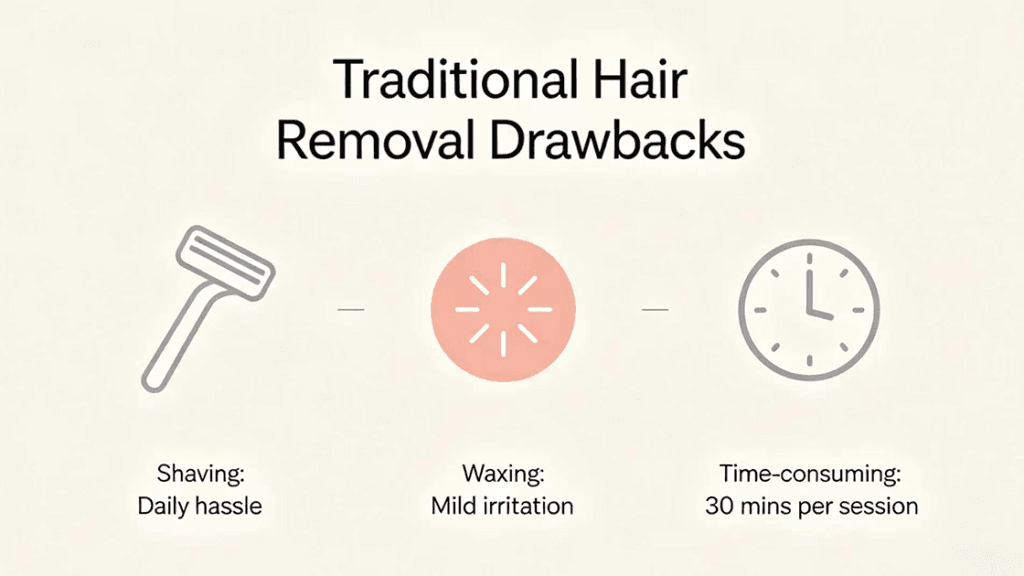
Shaving creates microscopic cuts on the skin. Sweat and bacteria enter these cuts, causing razor burn and folliculitis. For a cyclist or runner, friction from clothing and movement makes the irritation worse. Ingrown hairs form when shaved hair curls back into the skin. These become painful bumps that can get infected. An athlete with irritated skin cannot train at full intensity. The discomfort distracts from focus and reduces endurance.
1.1.1 Time Wasted on Daily Grooming
A swimmer may shave their entire body before a big meet. That takes 30 to 60 minutes. A cyclist shaves their legs weekly to aid road rash treatment and massage. Over a year, that adds up to dozens of hours. Waxing appointments take time and money. Laser hair removal eliminates this routine. After a series of sessions, athletes never think about shaving again. Those hours go back to training, resting, or competing.
2. Laser Hair Removal Basics: How It Works for Athletes
2.1 The Science of Targeting Hair Follicles
Laser hair removal uses a specific wavelength of light. The melanin in the hair shaft absorbs this light. The light converts to heat energy. That heat damages the hair follicle. Once damaged, the follicle stops producing new hair. Multiple sessions target hairs in their active growth phase. Over time, most hair disappears permanently. Advanced laser systems use diode or alexandrite technology. These wavelengths penetrate deep enough for thick, coarse male or female body hair.
2.1.1 Why Athletes Need Multiple Sessions
Hair grows in cycles. Only about 20 percent of hairs are in the active phase at any time. Laser sessions spaced four to six weeks apart catch new active hairs. Most athletes need six to eight sessions for 80 to 95 percent permanent reduction. After that, occasional maintenance sessions keep the skin smooth. Unlike shaving, which lasts a day, laser results last for years.
3. No More Chafing: How Smooth Skin Improves Comfort and Recovery
3.1 Friction Is the Enemy of Endurance Sports
Chafing happens when skin rubs against skin or fabric. Hair increases friction. It traps moisture and creates a rough surface. For runners, chafing on the inner thighs or underarms causes raw, bleeding skin. For cyclists, saddle sores develop from constant rubbing. Swimmers experience drag from body hair in the water. Removing hair reduces friction dramatically. Skin glides more easily against wetsuits, bike shorts, or running gear.
3.1.1 Faster Recovery and Less Skin Trauma
Smooth skin heals faster. When an athlete falls or gets road rash, hair can get trapped in the wound. That increases infection risk and slows healing. Hairless skin allows bandages to adhere better and wounds to clean more easily. Post-workout massages also feel better without hair pulling. Many professional sports teams now include laser hair removal in their athlete wellness programs. The reason is simple: less skin irritation means more training days and fewer missed competitions.
4. Preventing Infections: Folliculitis and Beyond
4.1 Why Sweaty Gear and Hair Are a Bad Combination
Athletes sweat a lot. Sweat mixes with bacteria on the skin. Hair follicles trap this mixture. The result is folliculitis – red, itchy, pus-filled bumps. In severe cases, it becomes a staph infection. Hot tubs, shared gym equipment, and tight uniforms increase the risk. Laser hair removal removes the follicles‘ ability to grow hair. Without hair, there is no place for bacteria to hide. The skin stays cleaner and drier.
4.1.1 Reducing Antibiotic Use and Doctor Visits
Recurrent folliculitis often requires antibiotics. Overuse of antibiotics leads to resistance. Laser hair removal offers a drug-free prevention method. Athletes who complete laser treatments report fewer skin infections. They spend less time at the dermatologist and more time training. For swimmers, laser hair removal also reduces the risk of pseudomonas infections from pool water. Clean, hairless skin is simply healthier skin.
5. What Athletes Should Know Before Starting Laser Hair Removal
5.1 Choosing the Right Laser Technology for Your Skin and Hair
Not all lasers are the same. Diode lasers at 810nm work well for most athletes. They treat coarse hair on large areas like legs, back, and chest. Alexandrite lasers at 755nm are best for lighter skin with dark hair. Nd:YAG lasers at 1064nm suit darker skin tones. Advanced systems combine multiple wavelengths. They also include contact cooling to protect the skin during treatment. Athletes should ask their provider which laser matches their skin type.
5.1.1 Timing Treatments Around Competition Season
Laser hair removal requires avoiding sun exposure before and after sessions. Tanned skin increases burn risk. Athletes should schedule treatments during off-season or winter months. They also need to stop waxing and plucking for six weeks before starting. Shaving is allowed. After each session, the skin may be red for a few hours. That is fine for light training. Heavy sweating immediately after is not recommended. Plan treatments on rest days or after easy workouts.
FAQ
Q1: How many laser sessions does an athlete need for full legs?
A: Most athletes need six to eight sessions spaced four to six weeks apart. Maintenance once or twice a year keeps results.
Q2: Will laser hair removal hurt during treatment?
A: Modern lasers have contact cooling. Most athletes describe the sensation as a mild rubber band snap. It is very tolerable.
Q3: Can I train on the same day as my laser session?
A: Light training is fine. Avoid heavy sweating, hot showers, and saunas for 24 hours to prevent skin irritation.
Q4: Is laser hair removal safe for all skin types?
A: Yes. Nd:YAG lasers work safely on darker skin tones. A patch test before the first session ensures safety.
Q5: Does laser hair removal improve swimming speed?
A: Removing body hair reduces drag in the water. Competitive swimmers report slightly faster times, though the main benefits are comfort and reduced chafing.
Conclusion
Athletes no longer need to suffer through daily shaving, painful waxing, or chronic skin infections. Laser hair removal provides a permanent, comfortable alternative. By targeting hair follicles with precise light energy, it eliminates the root cause of chafing, folliculitis, and ingrown hairs. Advanced diode and alexandrite lasers with contact cooling make treatments fast and nearly painless. Swimmers, cyclists, runners, and triathletes can train harder, recover faster, and compete with one less distraction. The upfront investment of six to eight sessions pays off in years of smooth, problem‑free skin. Talk to a qualified provider about a customized treatment plan for your sport.
References
American Academy of Dermatology – Laser hair removal for athletes
https://www.aad.org/public/cosmetic/hair-removal/laser-hair-removal-overview
National Institutes of Health (PMC) – Laser hair reduction in sports medicine
https://www.ncbi.nlm.nih.gov/pmc/articles/PMC10467235
British Journal of Sports Medicine – Skin care for cyclists
https://bjsm.bmj.com/content/54/12/734
Swimming World Magazine – Hair removal and hydrodynamics
https://www.swimmingworldmagazine.com/news/shaving-and-swimming-performance
Journal of Athletic Training – Folliculitis prevention in athletes
https://meridian.allenpress.com/jat/article/55/6/567/435345
Rhein Lasers – Treatments page