
Einführung
Uneven skin tone and visible pigmentation concerns are common aesthetic concerns that influence how many people approach skincare and beauty routines. Factors such as sun exposure, aging, hormonal changes, and environmental stress may contribute to the appearance of dark spots, uneven complexion, and skin discoloration. With the development of modern aesthetic technology, laser-based skincare has become an increasingly popular option for people looking to improve the appearance of pigmentation and achieve a more balanced-looking complexion. Advanced laser technologies using specific wavelengths, including 532nm and 1064nm energy, provide beauty professionals with more targeted approaches for pigmentation management and skin rejuvenation. By combining precision energy delivery with customized settings, modern laser systems offer a professional solution for individuals seeking personalized skin appearance enhancement.
1. Understanding Hyperpigmentation and Modern Skin Appearance Concerns
Before exploring laser technology, it is important to understand why pigmentation appears and why personalized skincare approaches have become increasingly important in modern beauty management.
1.1 Common Factors That Influence Uneven Skin Tone
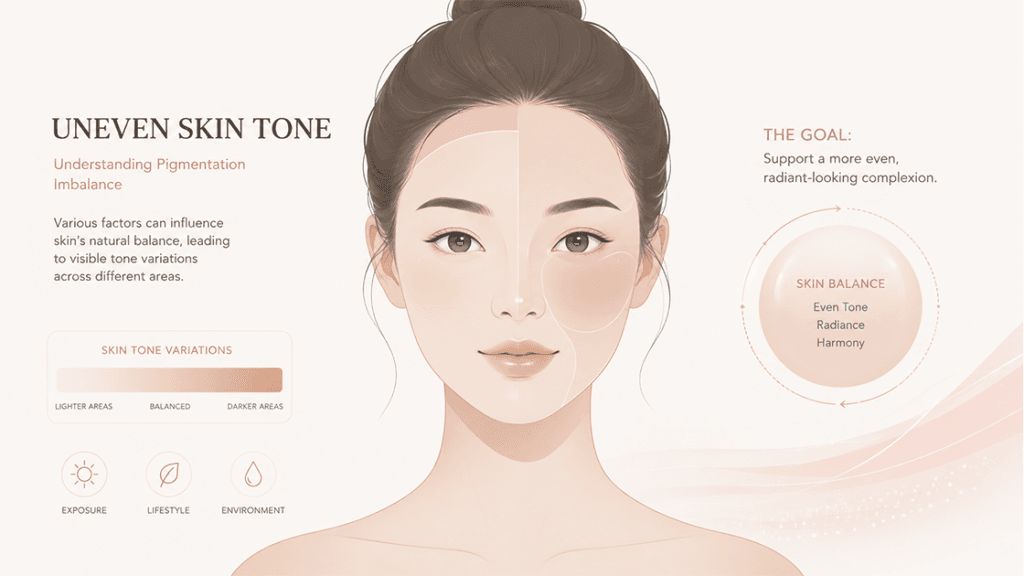
Hyperpigmentation refers to areas of skin that appear darker compared with the surrounding skin. It occurs when melanin production or distribution changes, creating visible differences in skin color.
Many factors may contribute to uneven-looking skin tone, including prolonged sun exposure, natural aging processes, hormonal fluctuations, and external environmental factors. Common pigmentation concerns include sun spots, freckles, age-related spots, and melasma-like appearance.
Although skincare products remain an important part of daily routines, many people explore professional aesthetic technologies when they want more advanced options for improving overall skin appearance.
1.2 Why Pigmentation Management Has Become a Focus in Aesthetic Care
Modern consumers increasingly pay attention to skin quality rather than only focusing on traditional beauty goals. A smoother-looking complexion, balanced skin tone, and refreshed appearance have become important parts of personal skincare routines.
Beauty professionals are also focusing more on customized approaches because pigmentation concerns can vary depending on skin type, lifestyle, and individual needs.
Laser technology provides another option within professional aesthetic care by allowing controlled energy delivery that focuses on specific skin concerns while supporting overall skin rejuvenation goals.
1.3 The Growing Role of Laser Technology in Skin Rejuvenation
Laser skin rejuvenation has developed significantly with improvements in wavelength selection, pulse duration, and energy control. Modern systems can provide different treatment approaches depending on whether the focus is pigmentation appearance, skin texture, or overall skin revitalization.
Picosecond laser technology has attracted attention because it delivers energy in extremely short pulses. These rapid pulses allow professionals to create targeted laser effects while focusing on precision and customized settings.
Research has explored the application of picosecond laser wavelengths, including 532nm and 1064nm approaches, for pigmentation concerns and skin rejuvenation purposes.
2. How Laser Technology Supports Pigmentation Management
Understanding how laser energy interacts with pigment-related concerns helps explain why wavelength selection and advanced technology are important parts of modern aesthetic procedures.
2.1 The Importance of 532nm and 1064nm Laser Wavelengths
Different wavelengths interact with skin structures in different ways. In aesthetic laser applications, 532nm and 1064nm wavelengths are commonly used because they provide flexibility for addressing different pigmentation characteristics.
The 532nm wavelength is often associated with targeting more superficial pigment concerns, while the 1064nm wavelength can provide deeper energy penetration. This combination allows professionals to select suitable settings based on the appearance and location of pigmentation.
Dual-wavelength laser technology provides beauty specialists with more options when designing personalized skincare approaches.
2.2 Understanding Picosecond Laser Technology
Picosecond laser technology uses ultra-short energy pulses measured in trillionths of a second. This advanced pulse duration allows energy to be delivered quickly and precisely.
Compared with traditional laser technologies, picosecond systems focus on efficient energy delivery and controlled interaction with targeted areas. This makes them widely explored in aesthetic applications related to pigmentation management and skin rejuvenation.
For beauty professionals, this technology provides another tool for creating customized skincare plans based on different skin appearance goals.
2.3 The Connection Between Laser Energy and Skin Rejuvenation
Beyond pigmentation concerns, many individuals are interested in improving overall skin quality. Laser skin rejuvenation focuses on supporting a refreshed appearance by addressing concerns related to uneven texture, dull-looking skin, and visible signs of aging.
Advanced laser systems may combine different modes and wavelengths to support multiple aesthetic goals. For example, fractional laser approaches can create controlled microscopic treatment zones, while different wavelengths allow professionals to adjust applications according to individual needs.
Studies have examined fractional picosecond laser technology for facial rejuvenation and pigmentation appearance, highlighting its role as an emerging option in aesthetic skincare.
3. Exploring Laser Solutions for Different Pigmentation Concerns
Not all pigmentation concerns appear the same. Different patterns, locations, and skin characteristics require professional assessment and personalized approaches.
3.1 Laser Technology for Sun Spots and Age-Related Pigmentation
Sun exposure is one of the most common factors associated with visible skin discoloration. Over time, areas such as the face, hands, and neck may develop uneven pigmentation patterns.
Laser technology designed for pigmentation management can provide targeted energy delivery to areas with unwanted dark spots while supporting a more balanced-looking complexion.
For individuals interested in maintaining youthful-looking skin, combining professional laser care with daily sun protection and skincare habits remains an important approach.
3.2 Supporting the Appearance of Melasma and Uneven Complexion
Clinicians often associate melasma with darker patches appearing on areas such as the cheeks, forehead, and upper lip. Because multiple factors can influence melasma, experts consider personalized skincare strategies important.
Clinicians have explored modern laser technologies, including fractional 1064nm picosecond approaches, for improving the appearance of melasma and supporting skin rejuvenation goals.
Professional evaluation helps determine appropriate approaches because individual skin characteristics and pigmentation patterns can vary.
3.3 Addressing Post-Inflammatory Pigmentation Appearance
Some individuals notice darker areas of skin after previous irritation or inflammation. These visible changes may affect skin tone consistency and overall appearance.
Laser-based aesthetic technology provides another option that beauty professionals may consider when creating customized skin improvement plans.
The goal of modern pigmentation-focused skincare is not only addressing individual spots but also supporting a more harmonious and refreshed-looking complexion.
4. Integrating Laser Technology Into Modern Skincare and Beauty Routines
As consumer interest in professional skincare continues to grow, laser technology is becoming an important part of personalized aesthetic services. Instead of focusing only on individual skin concerns, modern beauty approaches increasingly consider overall skin quality, maintenance routines, and long-term appearance goals.
4.1 Combining Laser Skin Care With Daily Skin Protection
Professional laser technology can support pigmentation management, but daily skincare habits remain an important part of maintaining a balanced-looking complexion.
Sun protection, gentle cleansing, hydration, and suitable skincare products all play important roles in supporting skin appearance. Since UV exposure is one of the common factors associated with visible pigmentation changes, protecting the skin after professional aesthetic procedures is an essential consideration.
Laser-based skincare works best when combined with consistent daily habits. A complete approach focuses not only on improving the appearance of existing pigmentation but also on supporting healthier-looking skin over time.
4.2 The Importance of Personalized Laser Settings for Different Skin Needs
Every individual has different skin characteristics, including skin tone, pigmentation type, sensitivity, and aesthetic goals. This makes personalized settings an important part of modern laser beauty procedures.
Advanced laser systems often provide adjustable parameters, including wavelength selection, pulse energy, and treatment modes. These options allow beauty professionals to create more customized approaches based on specific skin appearance concerns.
For example, superficial pigmentation concerns may require different considerations compared with deeper pigment-related issues. The flexibility of technologies using multiple wavelengths, such as 532nm and 1064nm, allows professionals to select suitable approaches for different situations.
4.3 The Growing Demand for Professional Pigmentation Solutions
Consumers today are increasingly searching for professional solutions that go beyond traditional skincare routines. They want services that focus on visible skin quality, personalized care, and advanced technology.
Beauty clinics and aesthetic centers are responding to this demand by incorporating advanced laser platforms that support multiple skin appearance goals.
Modern laser technology is no longer limited to one specific application. It has become part of a broader aesthetic ecosystem that includes pigmentation management, skin rejuvenation, texture improvement, and overall appearance enhancement.
5. The Future of Laser Technology in Pigmentation and Skin Rejuvenation
The beauty industry continues to develop as consumers look for more personalized and technology-driven skincare options. Laser technology is expected to remain an important area of innovation because it combines precision, customization, and advanced energy control.
5.1 Why Picosecond Laser Technology Is Gaining Attention
Picosecond laser technology has changed the way professionals approach aesthetic laser applications. Its ultra-short pulse duration allows energy to be delivered in a highly controlled manner, creating new possibilities for pigmentation management and skin rejuvenation.
Research reviews have discussed the expanding applications of picosecond lasers, including pigmentation concerns, skin rejuvenation, and other aesthetic purposes.
The ability to combine different wavelengths and treatment modes provides professionals with greater flexibility when designing personalized skincare plans.
As consumers continue to seek efficient and customized beauty solutions, technologies that support precision and adaptability are becoming increasingly valuable.
5.2 How Laser Innovation Is Shaping the Future of Aesthetic Care
The future of aesthetic skincare is moving toward more personalized, multi-functional, and technology-focused solutions.
Modern laser platforms are designed to support different beauty applications, including:
- Pigmentation appearance improvement
- Hautverjüngung
- Texture enhancement
- Overall complexion improvement
By offering flexible settings and advanced energy delivery systems, laser technology helps beauty professionals create more comprehensive skincare experiences.
The continued development of laser systems reflects a broader industry trend toward customized beauty care, where technology works together with professional expertise and personalized skincare strategies.
FAQ
What is laser technology for hyperpigmentation?
Laser technology for hyperpigmentation uses focused light energy to target areas of uneven pigmentation and support a more balanced-looking skin tone.
How do 532nm and 1064nm wavelengths differ?
532nm wavelengths are commonly associated with more superficial pigment concerns, while 1064nm wavelengths can reach deeper skin layers and provide different application options.
Can laser technology improve the appearance of dark spots?
Laser-based aesthetic procedures may help improve the appearance of certain pigmentation concerns. Results can vary depending on skin characteristics and individual conditions.
Is laser skin rejuvenation suitable for all skin types?
Laser approaches should be customized according to individual skin tone, sensitivity, and appearance goals. Professional assessment is important before choosing a suitable approach.
Does laser technology replace daily skincare?
No. Laser technology works as part of a broader skincare routine. Sun protection, hydration, and consistent skincare habits remain important.
Why is picosecond laser technology popular in aesthetic care?
Picosecond laser technology uses extremely short energy pulses, allowing professionals to focus on precision and customized applications for different aesthetic goals.
Schlussfolgerung
Uneven skin tone and pigmentation concerns continue to influence modern beauty choices, encouraging more people to explore advanced skincare technologies. Laser technology, especially systems using precise wavelengths and picosecond energy delivery, provides beauty professionals with flexible options for supporting pigmentation management and skin rejuvenation goals. By combining professional laser solutions with personalized skincare routines and healthy lifestyle habits, individuals can explore more comprehensive approaches to maintaining a refreshed and balanced-looking complexion.
References
A Systematic Review of Picosecond Laser in Dermatology: Evidence and Recommendations
https://pubmed.ncbi.nlm.nih.gov/32282094
Evolution of the Picosecond Laser: A Review of Literature
https://pubmed.ncbi.nlm.nih.gov/30702447
Efficacy and Safety of Picosecond Laser for the Treatment of Melasma: A Systematic Review and Meta-analysis
https://pubmed.ncbi.nlm.nih.gov/36897459
Use of Picosecond Laser for Melasma Treatment: A Narrative Review
https://pubmed.ncbi.nlm.nih.gov/38085187
Picosecond Lasers for Skin Rejuvenation—In Comparison with Nanosecond Lasers—
https://www.jstage.jst.go.jp/article/jslsm/45/1/45_jslsm-45_0005/_article/-char/en