Einführung
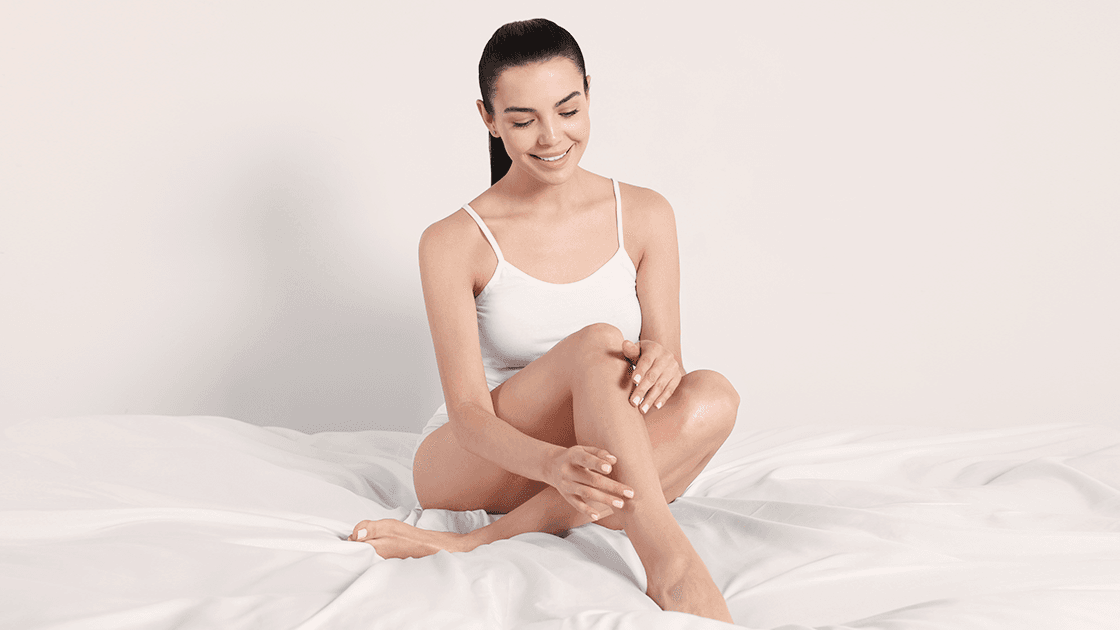
Body sculpting has become a widely discussed option for individuals seeking targeted fat reduction without surgery. While many people are attracted by its non-invasive nature and visible contouring results, one concern consistently arises during consultations and online searches: Will fat reduction cause loose or sagging skin?
This concern is understandable. Skin appearance plays a crucial role in how body contouring results are perceived. A slimmer silhouette is often desired, but not at the cost of firmness or skin quality. This article explores what truly happens beneath the surface during body sculpting treatments, explains the biological relationship between fat reduction and skin elasticity, and outlines evidence-based strategies to help maintain skin tightness throughout the process.
1. Why Fat Reduction Often Raises Concerns About Loose Skin
Before addressing solutions, it is important to understand why the concern exists in the first place. Changes in body volume inevitably influence the way skin behaves, but the outcome is not as straightforward as many assume.
1.1 The Relationship Between Fat, Skin, and Body Structure
The skin is not an isolated layer; it is supported by subcutaneous fat, connective tissue, and underlying muscle. Adipose tissue provides volume and structural support to the dermis. When fat cells shrink or are reduced, the skin must adapt to the new contours.
The dermis contains collagen and elastin fibers that allow it to stretch and retract. If these fibers are healthy and abundant, the skin can contract smoothly after volume reduction. Problems arise when collagen density is low or elastin fibers are weakened, limiting the skin’s ability to recoil.
1.2 Visual Changes After Rapid Body Contour Adjustments
One reason people associate fat loss with sagging skin is the visual contrast created by rapid volume change. When fat decreases faster than the skin can remodel itself, temporary looseness may appear. This does not necessarily mean permanent skin laxity; in many cases, the skin simply needs time and stimulation to adapt.
Non-invasive body sculpting generally produces gradual fat reduction, which is less likely to overwhelm the skin’s adaptive capacity compared to sudden weight loss.
1.3 Common Misconceptions About Body Sculpting
A frequent misconception is that body sculpting directly damages skin structure. In reality, modern technologies are designed to target adipocytes while preserving surrounding tissues. Loose skin is not an automatic outcome, and many patients experience improved contour definition without visible sagging when treatments are properly planned.
2. Factors That Determine Whether Skin Will Stay Firm
Skin response varies significantly between individuals. Understanding the variables involved helps explain why results differ and how outcomes can be optimized.
2.1 Skin Elasticity and Collagen Reserves
Collagen provides tensile strength, while elastin allows the skin to stretch and return to shape. High collagen density improves skin firmness and resilience. Treatments that stimulate fibroblast activity can enhance collagen remodeling, supporting tighter skin after fat reduction.
Individuals with strong baseline collagen reserves typically experience smoother contour transitions.
2.2 Age and Metabolic Influences
As part of the natural aging process, collagen production declines and elastin fibers degrade. This reduces the skin’s ability to retract after volume changes. Metabolic rate also influences tissue regeneration; slower metabolism may prolong recovery and remodeling time.
This does not mean older individuals cannot benefit from body sculpting, but it emphasizes the importance of supportive therapies.
2.3 Speed and Method of Fat Reduction
Gradual fat reduction allows the dermis to adapt progressively. Non-invasive body sculpting methods are specifically designed to encourage controlled adipocyte breakdown, reducing the risk of abrupt volume loss that could challenge skin integrity.
3. How Body Sculpting Technologies Affect Skin Tightness
Modern body sculpting systems are engineered not only to reduce fat but also to influence surrounding tissues. Understanding how these technologies work helps clarify why results vary.
3.1 Laser-Based Body Sculpting Mechanisms
Laser body sculpting uses specific wavelengths to penetrate the skin and selectively heat adipose tissue. This thermal energy disrupts fat cell membranes, triggering natural metabolic clearance processes.
Importantly, controlled heat also reaches the dermal layer, where it can stimulate collagen denaturation followed by neocollagenesis—a key process in skin tightening.
3.2 The Connection Between Fat Reduction and Collagen Stimulation
Thermal stimulation of the dermis activates fibroblasts, increasing collagen synthesis over time. This process supports gradual skin firming alongside fat reduction. As collagen remodels, skin texture and elasticity can improve, enhancing overall contour appearance.
This dual effect is one reason laser-based treatments are often preferred for patients concerned about skin quality.
3.3 Comparison with Traditional Fat Loss Methods
Diet-induced weight loss or surgical fat removal may not provide any dermal stimulation, increasing the likelihood of loose skin. Non-invasive body sculpting, by contrast, offers controlled energy delivery that supports tissue adaptation rather than overwhelming it.

4. How to Reduce the Risk of Loose Skin After Body Sculpting
Optimizing results requires a strategic approach that addresses both fat reduction and skin health. This section outlines evidence-based methods for minimizing skin laxity.
4.1 The Importance of Combining Skin Tightening Treatments
Radiofrequency (RF) and laser skin tightening therapies complement body sculpting by delivering targeted thermal energy to the dermis. These modalities enhance collagen contraction and stimulate long-term remodeling, reinforcing skin structure as fat volume decreases.
Combination protocols are often recommended for individuals with reduced skin elasticity.
4.2 Treatment Timing and Recovery Planning
Spacing treatments appropriately allows tissues to respond biologically. Collagen remodeling is not immediate; it develops over weeks to months. Gradual treatment schedules give the skin sufficient time to adapt, reducing the likelihood of uneven texture or laxity.
4.3 Daily Habits That Support Skin Elasticity
Hydration, adequate protein intake, and micronutrients such as vitamin C play a role in collagen synthesis. Lifestyle factors, including sleep quality and sun protection, also influence skin resilience and recovery capacity.
5. The Supportive Role of Cryotherapy After Body Sculpting
Cryotherapy is often used as an adjunct rather than a primary tightening solution. Understanding its role helps set realistic expectations.
5.1 How Cold Therapy Reduces Inflammation
Cryotherapy induces vasoconstriction followed by reactive vasodilation, improving circulation and reducing inflammatory mediators. This can decrease post-treatment swelling and tissue stress, creating a more favorable environment for recovery.
5.2 Improving Comfort and Recovery Experience
Cold exposure may reduce treatment-related discomfort and support neuromuscular relaxation. Enhanced comfort can encourage adherence to treatment plans, indirectly contributing to better long-term outcomes.
5.3 Why Cryotherapy Is Not a Standalone Tightening Solution
While cryotherapy supports recovery, it does not directly stimulate collagen production. Its value lies in complementing laser and RF treatments rather than replacing them.
6. Who Benefits Most from a Combined Approach
Not all individuals require the same treatment strategy. Identifying appropriate candidates improves both satisfaction and safety.
6.1 Individuals with Significant Volume Changes
Those undergoing noticeable contour changes may benefit from integrated skin tightening to support gradual adaptation.
6.2 People with Early Signs of Skin Laxity
Mild skin looseness responds well to non-invasive tightening technologies when applied proactively.
6.3 Individuals Seeking Long-Term Body Contour Maintenance
A combined approach supports not only immediate results but also long-term skin quality and firmness.
FAQ
Does body sculpting always cause loose skin?
No. Skin response depends on elasticity, treatment method, and supportive care.
How long does skin tightening take to show results?
Collagen remodeling typically develops over several weeks to months.
Is skin tightening necessary for everyone?
Not always, but it is beneficial for individuals with reduced elasticity.
Can cryotherapy replace skin tightening treatments?
No. Cryotherapy supports recovery but does not stimulate collagen production.
Are results permanent?
Maintaining results depends on lifestyle, skin health, and ongoing care.
Schlussfolgerung
Body sculpting and skin firmness are not opposing goals. When treatments are thoughtfully designed and supported by skin-tightening technologies and recovery strategies, fat reduction can enhance body contours without compromising skin quality. Understanding the biological processes involved allows individuals to make informed decisions and achieve balanced, natural-looking results.
References
Goldberg, D. J. Laser and Energy-Based Fat Reduction. Journal of Cosmetic and Laser Therapy.
https://www.tandfonline.com/doi/full/10.1080/14764172.2012.696573
Sadick, N. S. Tissue Tightening Technologies: Fact or Fiction. Dermatologic Clinics.
https://www.sciencedirect.com/science/article/abs/pii/S0733863511001322
Fisher, G. J., et al. Mechanisms of Collagen Remodeling in Human Skin. Journal of Investigative Dermatology.
https://www.jidonline.org/article/S0022-202X(15)38969-9/fulltext
Bleakley, C. M., et al. Cryotherapy for Acute Soft Tissue Injury. British Journal of Sports Medicine.
https://bjsm.bmj.com/content/46/8/613
Alster, T. S., & Tanzi, E. L. Radiofrequency Skin Tightening. Dermatologic Surgery.