
Introduzione
A few years ago, people visited a laser clinic only when a specific problem became impossible to ignore: stubborn sunspots, deep acne scars, or unwanted hair that had survived every razor and wax. Today, a different mindset is emerging. More individuals are incorporating laser treatments into their regular skincare rotation, much like they schedule dental cleanings or annual physical exams. This preventive approach pairs daily topical skincare with seasonal laser sessions to maintain healthy, even‑toned skin before visible concerns take hold. Instead of waiting for pigmentation to deepen or for collagen loss to create visible lines, these proactive users treat early signs early. This article explains why a strategy of gentle, consistent laser maintenance — combined with a solid home care routine — can help skin stay resilient and youthful over the long term.
1. The Shift from Reactive to Preventive Skincare
Traditional skincare has been largely reactive. A brown spot appears, and only then does someone seek treatment. Fine lines become etched, and the search for a solution begins. Preventive skincare flips this sequence.
1.1 What Preventive Skincare Means for Laser Users
Preventive skincare means taking steps to support skin health before significant damage accumulates. Just as sunscreen prevents photoaging, low‑energy laser sessions performed at regular intervals can help manage the early signs of aging, uneven pigmentation, and textural irregularities. Rather than waiting for a problem to become severe, preventive laser maintenance aims to keep the skin in a consistently good state. This approach reduces the need for aggressive, high‑downtime treatments later.
1.2 Why Seasonal Laser Sessions Fit Naturally into a Skincare Calendar
The skin changes with the seasons. Winter dryness, spring allergies, summer sun exposure, and autumn temperature shifts all affect how the skin looks and behaves. Scheduling laser treatments seasonally aligns with these natural cycles. For example, a gentle resurfacing session in early spring can address lingering winter dullness. A summer maintenance session can help manage early sun‑induced pigmentation before it becomes permanent. By the time fall arrives, another treatment can repair accumulated damage from outdoor activities. This rhythm feels intuitive and sustainable, not extreme.
1.3 The Psychological Benefit of Proactive Skin Management
There is a quiet confidence that comes from knowing you are taking care of your skin before problems appear. Preventive laser maintenance reduces the anxiety of watching for new spots or wrinkles. Instead of worrying about the next sign of aging, users feel in control. They address small concerns when they are small, which is less intimidating and often more effective. This proactive mindset transforms skincare from a series of emergencies into a calm, predictable routine.
2. Building a Modern Skincare Routine: Topicals Plus Laser
A complete preventive strategy combines what you apply at home with what you do seasonally in a clinic. Neither alone is enough for optimal long‑term results.
2.1 The Role of Daily Topicals: Antioxidants and Retinoids
Vitamin C (often used in the morning) helps neutralize free radicals from UV exposure and environmental pollution. It also supports collagen synthesis and brightens the skin. Retinoids (used in the evening) accelerate cell turnover, stimulate collagen production, and help prevent clogged pores. Together, they form a powerful foundation. However, topicals work slowly and have limits. They cannot remove existing pigmentation lodged deep in the skin or significantly remodel established textural irregularities.
2.2 What Laser Maintenance Adds That Topicals Cannot
Laser energy reaches depths that creams and serums cannot. A laser pulse can shatter pigment granules, seal tiny dilated blood vessels, or create microscopic zones of thermal injury that trigger collagen remodeling. Topicals maintain the skin’s surface; lasers work from within. By combining both, users get the best of both worlds. The topicals keep the skin healthy day to day, while seasonal laser sessions address deeper concerns and reset the skin’s baseline.
2.3 Creating a Sustainable Long‑Term Protocol
A sustainable protocol does not require aggressive, painful treatments. Gentle laser settings applied seasonally — rather than high‑energy sessions once every few years — are often more comfortable and produce steady, cumulative improvement. This low‑and‑slow philosophy respects the skin’s healing capacity while steadily raising its quality. Over time, the skin requires less correction because it never falls far from its optimal state.
3. Key Laser Technologies for Preventive Maintenance
Not every laser is suited for gentle, seasonal maintenance. The most useful devices for this purpose are those that can be used at lower energies to refresh the skin without significant downtime.
3.1 Non‑Ablative Fractional Lasers for Texture and Tone
Non‑ablative fractional lasers deliver columns of heat into the dermis while leaving the surface intact. They stimulate new collagen and improve skin texture, pore size, and fine lines with minimal recovery. Because the downtime is short — often just a day or two of pinkness — these lasers fit easily into a busy schedule. Seasonally, a non‑ablative fractional treatment can maintain a smooth, even complexion without the long recovery of fully ablative lasers.
3.2 Pigment‑Specific Lasers for Spot Management
Even with diligent sun protection, some pigment will accumulate. Q‑switched or picosecond lasers can be used at low fluences to gently lighten emerging spots before they become large and dark. Early intervention means fewer treatments are needed over a lifetime. By treating a tiny cluster of pigment when it first appears, the laser can clear it with less energy and less risk of post‑treatment changes.
3.3 Vascular Lasers for Persistent Redness
Facial redness from broken capillaries or rosacea tends to worsen over time. Vascular lasers selectively target hemoglobin in dilated vessels, causing them to collapse and be reabsorbed. Seasonal maintenance sessions can keep background redness under control, preventing the progression to more pronounced flushing and visible vessels. For people prone to facial redness, regular gentle vascular treatments are a cornerstone of preventive care.
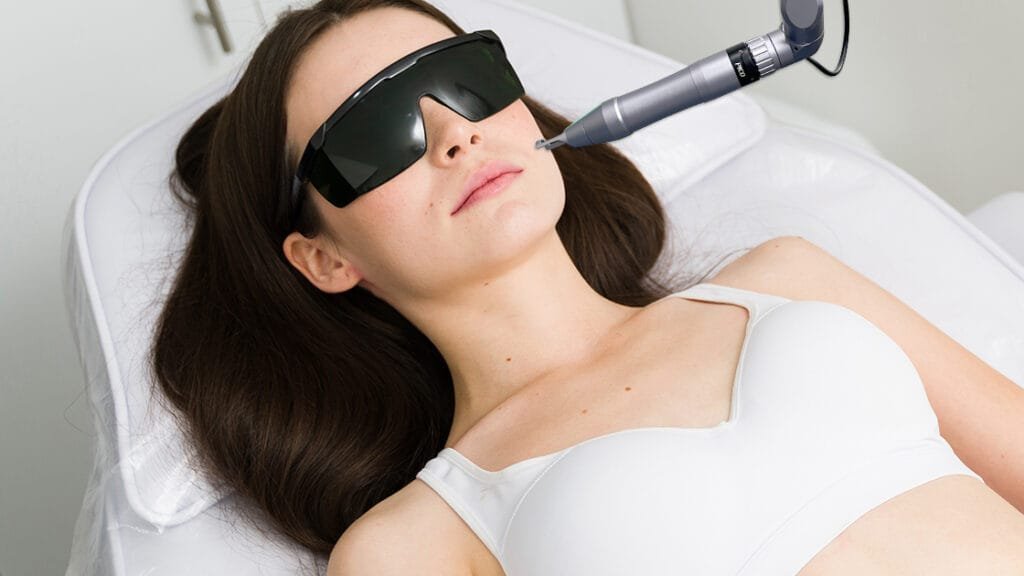
4. Integrating Seasonal Laser Sessions into Your Year
Creating a personal calendar helps turn preventive laser maintenance from an idea into a habit. The exact timing can vary, but a basic framework exists.
4.1 Spring: Refresh and Brighten
After winter, skin often looks dull and dry. A mild non‑ablative fractional laser can boost cell turnover and bring back a radiant glow. For those who notice the first signs of sunspots after a sunny vacation, a gentle pigment laser in late spring can address those spots before they become deeply set. Spring is also a good time for a vascular laser if winter rosacea flares have left lingering redness.
4.2 Summer: Maintenance and Protection
During summer, sun exposure is highest. This is not the time for aggressive resurfacing, but gentle maintenance sessions are still possible. Low‑energy treatments can help manage early pigmentation before it worsens. Strict sun protection is essential before and after any summer laser session. Some users choose to focus on non‑sun‑exposed areas, such as the chest or décolletage, during summer months.
4.3 Autumn: Repair and Rebuild
Autumn is the ideal season for more substantial laser work. Summer sun has caused its damage, and cooler weather makes post‑treatment sun avoidance easier. This is the time for a slightly deeper non‑ablative fractional treatment or a series of pigment‑specific sessions to clear accumulated sunspots. The recovery occurs during months when high‑SPF coverage is still needed, but intense midday sun is less frequent.
4.4 Winter: Restore and Prepare
Winter, when the skin is less exposed to UV, allows for excellent healing. A final fractional laser session before the holidays can smooth fine lines and even out tone. For those with vascular concerns, winter is also a good time for vascular laser because sun avoidance is simpler. By the time spring arrives, the skin is fresh and ready for another year of preventive care.
5. Setting Realistic Expectations for a Preventive Approach
Preventive laser maintenance is not about erasing every imperfection overnight. It is about gradual, sustained improvement.
5.1 Results Are Cumulative
The first seasonal session may produce a subtle glow. After a year of quarterly treatments, the cumulative effect becomes more noticeable. Spots are lighter, texture is smoother, and the skin looks healthier overall. Because the changes happen slowly, the user often does not realize how much progress has been made until comparing a current photo with one from a year ago. This gradual improvement is the hallmark of preventive care.
5.2 Lower Energy Means Lower Risk
Using lower energies for maintenance reduces the chance of side effects such as prolonged redness, swelling, or pigment changes. The skin recovers quickly, and the user can return to normal activities almost immediately. The trade‑off is that a single session will not produce dramatic change. For those who value safety and convenience over instant results, this trade‑off is well worth it.
5.3 Maintenance Is an Ongoing Relationship with Your Skin
Preventive laser sessions are not a one‑time investment. They are part of an ongoing relationship with your skin, much like exercise or a healthy diet. Over the years, the skin will age, but the rate of visible aging can be slowed. Regular maintenance allows adjustments as new concerns emerge. A skilled practitioner can modify the laser type and energy level as the skin’s needs change, ensuring that the approach remains appropriate at every stage of life.
FAQ
Q1: How often should I schedule preventive laser sessions?
Many people find that one session per season — four times a year — works well. Some may need only two or three sessions annually, depending on their skin type and concerns.
Q2: Is there any downtime with gentle seasonal laser treatments?
Most non‑ablative fractional and low‑energy pigment lasers cause only mild redness that fades within a day or two. You can usually resume makeup and normal activities immediately.
Q3: Can I combine topical retinoids with laser sessions?
Yes, but you may need to stop retinoids for a few days before and after treatment, as your practitioner advises. Retinoids make the skin more sensitive.
Q4: Will one laser session permanently remove all my sunspots?
No. Preventive maintenance focuses on managing spots over time. A single session will lighten existing spots, but new spots may develop with sun exposure. The goal is to keep them in check, not to eliminate every trace forever.
Q5: Is preventive laser maintenance suitable for all skin types?
Yes, when appropriate wavelengths and settings are used. Many clinics offer lasers that are safe for darker skin tones. A thorough consultation is essential before starting any laser plan.
Conclusione
Waiting for skin problems to become severe before seeking treatment is an outdated model. Preventive laser maintenance offers a smarter path: gentle, seasonal sessions that keep the skin in consistently good condition. Paired with a solid daily routine of antioxidants and retinoids, this approach addresses early signs of aging, pigmentation, and textural changes before they demand aggressive correction. The result is skin that looks healthier year after year, without the stress of playing catch‑up. It is not about chasing perfection; it is about staying ahead of the clock. That is the essence of modern, preventive skincare.
References
Rhein Laser. Treatments – Laser Resurfacing.
https://www.rheinlasers.com/treatments
American Society for Laser Medicine and Surgery. Preventive Laser Protocols.
Mayo Clinic. Laser Resurfacing – What You Need to Know.
WebMD. Non‑Ablative Laser Treatments for Skin Rejuvenation.
Healthline. How to Build a Preventive Skincare Routine.