Einführung
Post-inflammatory hyperpigmentation (PIH) is a common skin concern that develops when inflammation leaves behind dark spots or uneven patches. It often follows acne breakouts, insect bites, skin irritation, or minor injuries. Although these marks are generally harmless, they can remain visible long after the original skin problem has disappeared. Modern laser skin rejuvenation technologies offer additional options for improving the appearance of selected pigmentation concerns by targeting excess melanin and supporting a more even complexion. However, PIH varies in depth, color, and severity, and individual skin characteristics influence how pigmentation develops and responds to aesthetic procedures. Understanding the causes of PIH, the role of melanin, and the principles behind laser technology can help individuals make informed decisions about professional skin care and long-term pigment management.
1. Understanding Post-Inflammatory Hyperpigmentation
PIH develops when the skin produces or distributes excess melanin following inflammation. Understanding its causes and characteristics helps explain why some dark marks fade gradually while others remain visible for longer periods.
1.1 What Is Post-Inflammatory Hyperpigmentation?
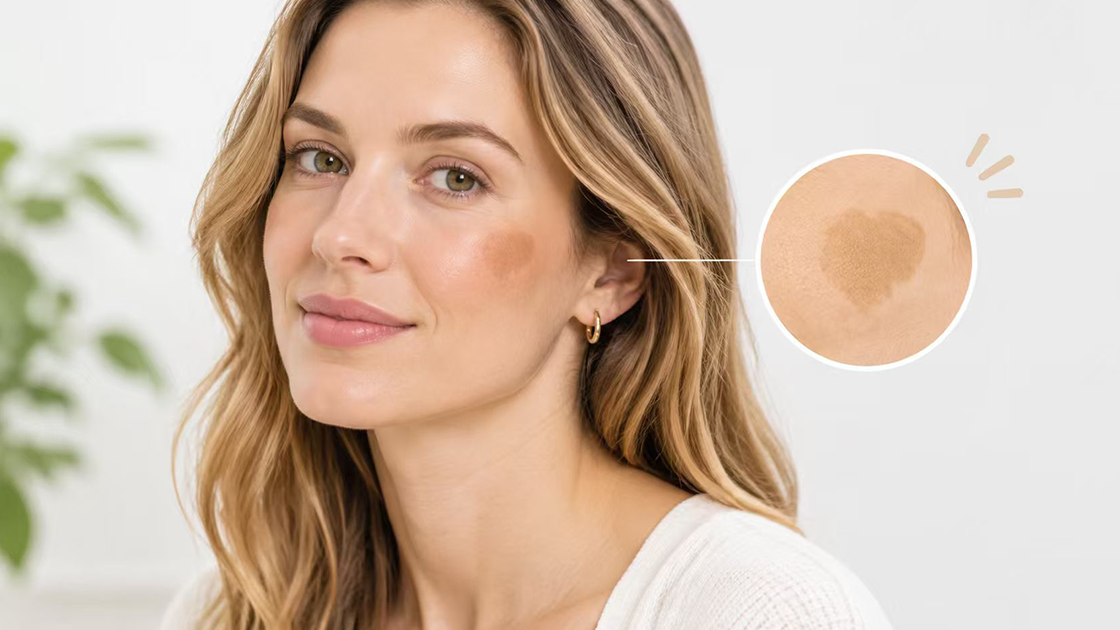
Post-inflammatory hyperpigmentation refers to darkened areas that appear after an inflammatory skin condition or injury. It can affect people of all skin tones, although it often appears more noticeable and persistent in individuals with darker complexions.
PIH usually appears as flat brown, dark brown, or grayish marks. Unlike raised or depressed scars, it primarily involves changes in skin pigmentation rather than structural damage.
1.2 Common Causes of PIH
Several skin conditions can trigger PIH, including acne, eczema, contact dermatitis, insect bites, folliculitis, and minor burns. Repeated friction, aggressive exfoliation, and picking at blemishes can also increase skin inflammation.
UV exposure may further darken existing marks by stimulating melanin production. Therefore, both the original inflammatory condition and subsequent environmental exposure can influence the appearance of pigmentation.
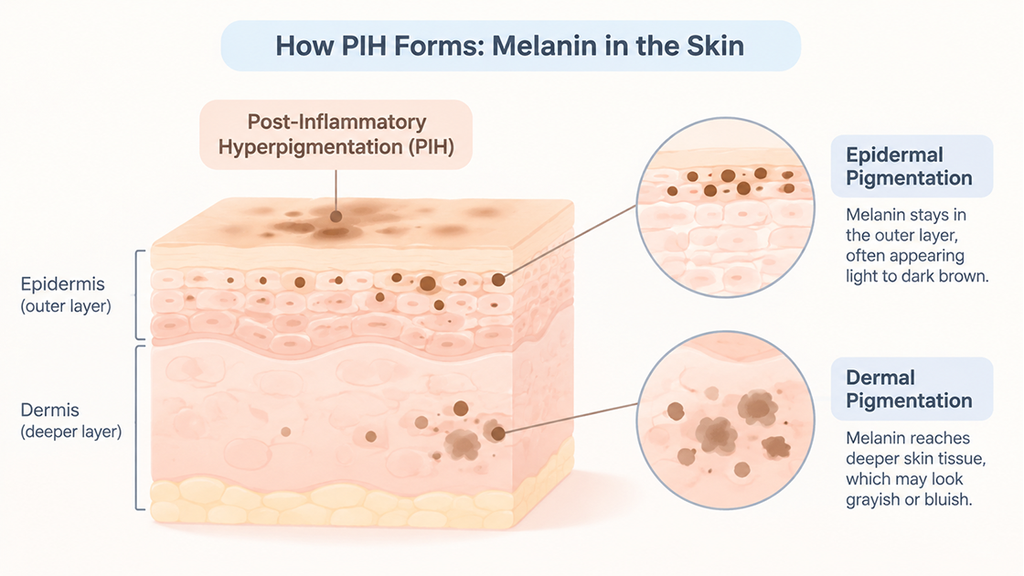
1.3 Epidermal and Dermal Pigmentation
The location of excess melanin affects the color and persistence of PIH. Epidermal pigmentation develops in the outer skin layer and typically appears light brown to dark brown.
Dermal pigmentation occurs when inflammation disrupts the basement membrane and allows melanin to enter deeper skin tissue. Immune cells called melanophages absorb these pigment particles, which may create grayish or blue-gray discoloration that lasts longer.
2. How PIH Affects Skin Tone and Texture
Although PIH mainly changes skin color, its appearance varies depending on the original inflammation, pigment distribution, and individual skin characteristics.
2.1 Uneven Complexion and Dark Spots
PIH often appears on the cheeks, forehead, chin, neck, chest, shoulders, and back. The marks usually develop in areas previously affected by acne, irritation, or other inflammatory conditions.
Multiple dark spots can gradually create an uneven complexion, even after the original skin condition has improved. Their size and intensity depend on the severity of inflammation and the amount of melanin involved.
2.2 The Relationship Between Melanin and Inflammation
Melanin is a natural pigment that gives skin its color and helps protect it against UV radiation. However, inflammation can stimulate melanocytes, the cells responsible for melanin production.
Inflammatory mediators may increase melanogenesis and promote melanin transfer to surrounding keratinocytes. As a result, the affected skin becomes darker even after visible redness and irritation have disappeared.
2.3 Why Some Dark Marks Last Longer
PIH does not fade at the same rate for everyone. Superficial epidermal pigmentation may gradually become less noticeable, while deeper dermal pigmentation can remain visible for a much longer period.
Skin phototype, inflammation severity, UV exposure, and individual pigment responses all influence how long discoloration persists. Repeated acne breakouts or skin irritation may also contribute to new dark marks.
3. The Role of Laser Skin Rejuvenation in Pigment Management
Laser skin rejuvenation uses controlled light energy to address selected pigmentation and skin appearance concerns. Different wavelengths interact with melanin in different ways, making wavelength selection and energy control important considerations in professional aesthetic procedures.
3.1 Selective Photothermolysis and Melanin Targeting
Selective photothermolysis is a key principle behind many laser-based aesthetic procedures. It uses a specific wavelength and pulse duration to target a particular chromophore while limiting unwanted effects on surrounding tissue.
For pigmentation procedures, melanin acts as the primary chromophore. When it absorbs laser energy, controlled thermal or mechanical effects can affect pigment-containing structures.
The outcome depends on several factors, including wavelength, pulse duration, energy density, and pigment depth. Careful parameter selection is particularly important for skin prone to post-inflammatory discoloration.
3.2 Picosecond Laser Technology and Pigment Fragmentation
Picosecond laser technology delivers energy in extremely short pulses measured in trillionths of a second. Its rapid energy delivery can generate a photoacoustic effect, producing mechanical pressure that helps fragment targeted pigment particles.
This approach is relevant to selected pigmentation concerns and tattoo pigment management. However, not every PIH mark is suitable for laser exposure. Skin condition, pigment depth, and the risk of additional inflammation must guide professional decisions.
3.3 Understanding 532nm and 1064nm Wavelengths
Two commonly used wavelengths in pigmentation-focused laser systems are 532nm and 1064nm. They differ in melanin absorption and penetration depth.
The 532nm wavelength has stronger melanin absorption and generally addresses more superficial pigment targets. In comparison, 1064nm penetrates more deeply and has lower absorption by epidermal melanin, making it useful for selected deeper pigment concerns.
Neither wavelength is appropriate for every skin type or PIH condition. A professional assessment should consider skin phototype, pigment distribution, and individual sensitivity before determining suitability.
4. Important Considerations for Different Skin Types
Skin pigmentation and inflammatory responses vary significantly between individuals. Therefore, laser-based pigment management requires careful evaluation, especially for people who experience persistent discoloration after minor irritation.
4.1 Laser Considerations for Fitzpatrick Skin Types III–VI
The Fitzpatrick Skin Phototype Classification describes how different skin types respond to UV exposure. Types III–VI generally contain more epidermal melanin, although individual characteristics can vary.
Because melanin absorbs laser energy, it may act as a competing chromophore during pigmentation procedures. Excessive energy or unnecessary thermal injury can trigger further inflammation and increase the risk of hyperpigmentation or hypopigmentation.
For this reason, practitioners should consider previous pigmentation reactions, skin sensitivity, and appropriate wavelength selection.
4.2 Active Inflammation Versus Residual Pigmentation
It is important to distinguish stable dark marks from pigmentation associated with ongoing inflammation. Healed acne marks differ from discoloration caused by active acne, eczema, dermatitis, or folliculitis.
When inflammation remains active, the skin may continue producing excess melanin. Additional irritation from cosmetic procedures can further complicate the condition.
Professional assessment should therefore consider the underlying skin condition and overall skin barrier before introducing energy-based procedures.
4.3 Skin Sensitivity and Treatment-Related Pigmentation
Some individuals experience prolonged redness, irritation, or discoloration after relatively minor skin injuries. This sensitivity may influence how their skin responds to aesthetic procedures.
Laser exposure can occasionally cause additional pigmentation, particularly when excessive energy or insufficient recovery time increases inflammation. Possible temporary reactions also include redness, swelling, and changes in skin color.
A detailed skin history and appropriate clinical evaluation help professionals identify potential risks and make more suitable treatment decisions.
5. Supporting More Even Skin Tone Through Long-Term Skin Care
Laser procedures represent only one aspect of pigment management. Daily skin care, environmental protection, and maintaining the skin barrier can also help reduce factors associated with recurring discoloration.
5.1 Sun Exposure and Existing Dark Marks
UV radiation stimulates melanin production and can make existing PIH more noticeable. Visible light may also contribute to persistent pigmentation, particularly in individuals with darker skin tones.
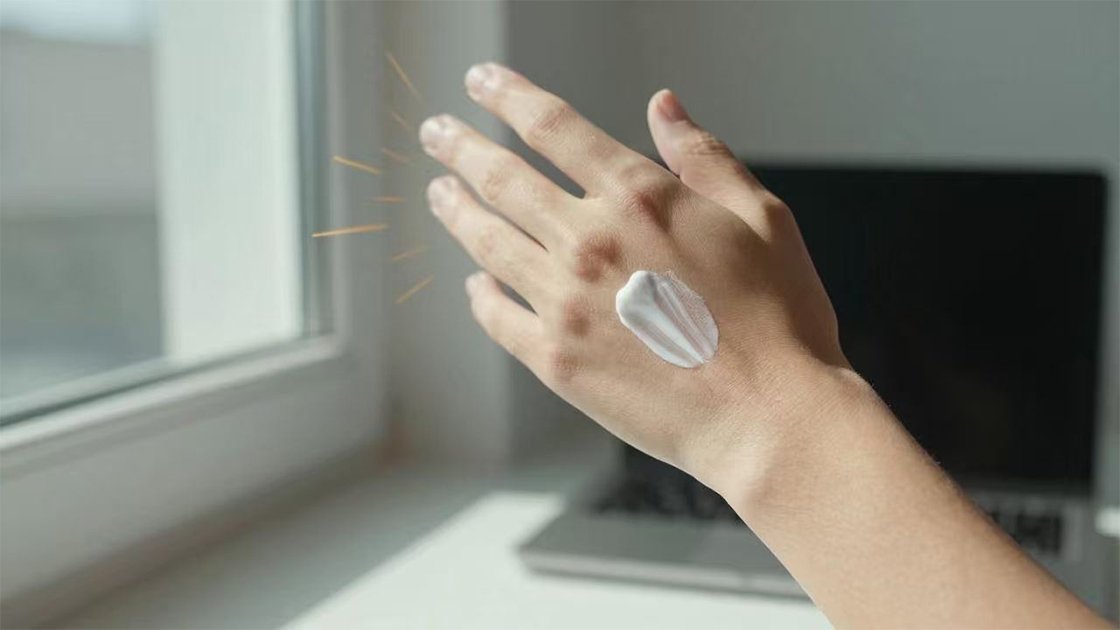
Consistent broad-spectrum sunscreen helps limit additional pigment stimulation. Tinted sunscreen containing iron oxides may provide additional protection against certain wavelengths of visible light.
Protective clothing and seeking shade during intense sunlight can further support long-term skin health.
5.2 Maintaining the Skin Barrier
A healthy skin barrier helps retain moisture and protect the skin from environmental irritants. When the barrier becomes compromised, dryness, sensitivity, and inflammation may become more noticeable.
Gentle cleansers, suitable moisturizers, and carefully selected skin care ingredients can support barrier function. Individuals prone to PIH should avoid aggressive exfoliation, excessive scrubbing, and frequent use of irritating products.
Managing recurring conditions such as acne and eczema is equally important because repeated inflammation can contribute to additional pigmentation.
5.3 Setting Realistic Expectations for Pigment Improvement
PIH often takes time to become less noticeable. Superficial marks may gradually fade, while deeper pigmentation can persist for much longer.
Laser skin rejuvenation may improve the appearance of selected pigmentation concerns when a qualified professional determines that it is appropriate. However, individual responses vary according to pigment depth, skin phototype, and inflammation history.
A gradual approach that combines professional assessment, appropriate skin care, and consistent sun protection can support a more even-looking complexion.
FAQ
1. What Is the Difference Between PIH and Acne Scars?
PIH causes flat dark marks because of changes in melanin production. Acne scars involve structural changes, such as raised or depressed areas of skin. Both may appear together.
2. Can Laser Skin Rejuvenation Improve PIH?
Certain laser technologies may improve the appearance of selected pigmentation concerns by targeting melanin. However, suitability depends on skin type, pigment depth, and inflammation history.
3. Which Laser Wavelengths Are Used for Pigmentation?
Common wavelengths include 532nm and 1064nm. The former generally targets superficial pigmentation, while the latter penetrates more deeply.
4. Is PIH More Common in Darker Skin Tones?
Yes. PIH can affect all skin tones, but it often occurs more frequently and persists longer in individuals with darker complexions.
5. How Long Does PIH Usually Last?
Some superficial marks fade within several months, while deeper pigmentation may remain visible for years. The timeline varies between individuals.
6. Can Sun Exposure Make PIH Worse?
Yes. UV exposure stimulates melanin production and may darken existing marks. Regular broad-spectrum sun protection helps limit further discoloration.
7. Can Laser Procedures Cause More Hyperpigmentation?
Yes. Excessive energy or treatment-related inflammation can trigger additional pigmentation. Appropriate professional assessment helps reduce this risk.
8. Is Laser Treatment Suitable for Everyone With PIH?
No. People with active inflammation, sensitive skin, or a history of pigmentation reactions may need alternative approaches. Professional evaluation is essential.
Schlussfolgerung
Post-inflammatory hyperpigmentation develops through complex changes in melanin production and distribution following skin inflammation. Although these dark marks may gradually fade, their persistence depends on pigment depth, skin phototype, and individual inflammatory responses. Laser skin rejuvenation, including picosecond technology and different wavelength options, may help improve the appearance of selected pigmentation concerns. However, careful skin assessment and appropriate energy selection remain essential, particularly for individuals more susceptible to pigmentation changes. Combining professional evaluation, gentle skin care, and consistent sun protection can support healthier-looking skin and a more even complexion over time.
References
1. Postinflammatory Hyperpigmentation – StatPearls, NCBI Bookshelf
https://www.ncbi.nlm.nih.gov/books/NBK559150
2. Postinflammatory Hyperpigmentation: A Comprehensive Overview – Journal of the American Academy of Dermatology
https://pubmed.ncbi.nlm.nih.gov/28917451
3. How to Fade Dark Spots in Darker Skin Tones – American Academy of Dermatology
https://www.aad.org/public/everyday-care/skin-care-secrets/routine/fade-dark-spots
4. Review of Laser Treatments for Post-Inflammatory Hyperpigmentation in Skin of Color
https://pubmed.ncbi.nlm.nih.gov/36781686
5. Skin Rejuvenation – Laser Technology and Pigmentation Management