Einführung
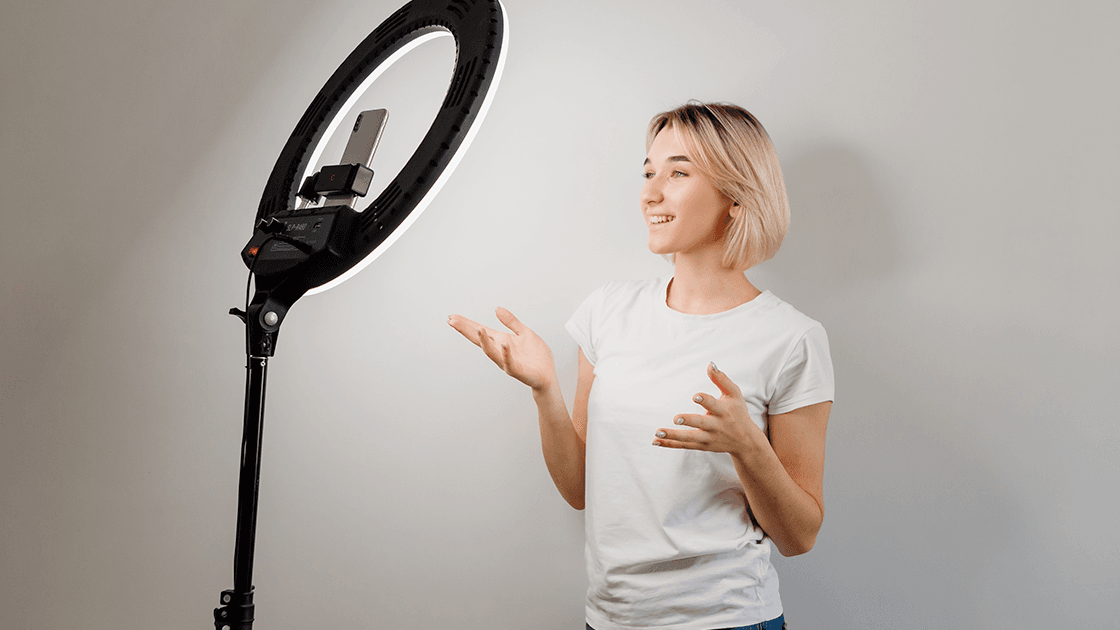
In the digital era, influencers and content creators rely heavily on visual appearance, where skin quality directly impacts engagement, branding, and audience trust. High-definition cameras, natural lighting trends, and short-form video platforms have significantly increased the demand for smooth, even-toned, and radiant skin. However, constant exposure to screen lighting, irregular schedules, and environmental stressors can accelerate skin fatigue, dullness, and uneven texture. As a result, non-invasive aesthetic treatments such as laser skin rejuvenation have become an essential part of modern beauty maintenance routines. Technologies such as pico laser systems, radiofrequency (RF) skin tightening, and fractional resurfacing are widely used in aesthetic clinics to stimulate collagen production, improve pigmentation irregularities, and restore skin vitality. This article explores how laser-based aesthetic treatments support influencers in maintaining long-term skin quality and camera-ready appearance.
1. The Aesthetic Demands of Influencer Culture
Before understanding how laser technology supports skin maintenance, it is important to examine why influencers face unique dermatological and aesthetic challenges compared to the general population.
1.1 High-Definition Media and Skin Perception Pressure
Modern social media platforms rely heavily on ultra-clear imaging, where even minor skin imperfections such as enlarged pores, uneven pigmentation, or fine texture irregularities can become visually amplified. High-resolution cameras combined with artificial lighting often reveal micro-level skin details that are not visible in everyday environments. This creates continuous pressure for influencers to maintain a consistently refined skin surface. From a dermatological perspective, this demand has shifted aesthetic goals from occasional correction to continuous maintenance, where skin quality must remain stable across different lighting and filming conditions.
1.2 Lifestyle Factors Affecting Skin Quality
Influencers often experience irregular sleep cycles, frequent travel, prolonged screen exposure, and high-stress content production schedules. These factors can disrupt circadian rhythm regulation, increase cortisol levels, and contribute to inflammatory skin responses. Clinically, this may manifest as dull complexion, uneven skin tone, and reduced dermal elasticity. Additionally, exposure to blue light and environmental pollutants may accelerate oxidative stress in skin cells, further contributing to premature aging signs. These cumulative effects make proactive skin maintenance essential for long-term aesthetic consistency.
2. Laser Skin Rejuvenation in Modern Aesthetic Dermatology
Laser-based technologies have become central to non-invasive skin improvement strategies due to their ability to target multiple skin layers without surgical intervention.
2.1 Photothermal and Photomechanical Skin Remodeling
Laser skin rejuvenation works through controlled energy delivery to the dermal and epidermal layers of the skin. Depending on the wavelength and device type, lasers can induce either photothermal or photomechanical effects. Photothermal processes, commonly associated with radiofrequency and certain laser systems, gently heat the dermis to stimulate fibroblast activity and collagen remodeling. Photomechanical effects, often seen in pico laser systems, use ultra-short pulse durations to create micro-disruptions in pigmentation particles without damaging surrounding tissue. These mechanisms collectively contribute to improved skin texture, tone, and elasticity over time.
2.2 Collagen Stimulation and Dermal Regeneration
One of the most important biological effects of laser skin rejuvenation is the stimulation of neocollagenesis. When controlled energy is delivered to dermal layers, it triggers a wound-healing response that activates fibroblasts, leading to increased synthesis of collagen types I and III. This process gradually improves skin firmness and reduces the appearance of fine lines and superficial wrinkles. In aesthetic dermatology, this biological remodeling is considered essential for achieving long-term improvements rather than temporary cosmetic changes.
2.3 Pigmentation and Texture Correction Mechanisms
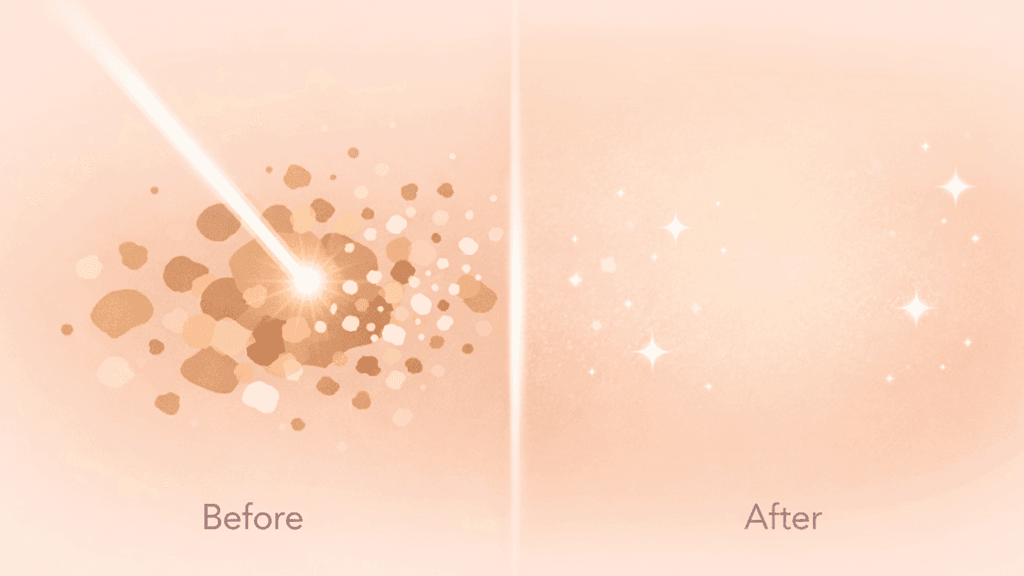
Uneven skin tone is a common concern among individuals under constant visual exposure. Laser systems, particularly pico laser platforms, are designed to target melanin clusters in the epidermis through selective photothermolysis. This allows for the breakdown of excess pigment into smaller particles that are naturally cleared by the lymphatic system. At the same time, fractional laser technologies can improve surface texture by creating controlled micro-injuries that stimulate epidermal renewal. These combined effects contribute to a more uniform and refined skin appearance.
3. Why Influencers Rely on Laser-Based Skin Maintenance
In the context of professional image-building, influencers often adopt laser treatments not as corrective procedures but as part of a structured aesthetic maintenance routine.
3.1 Consistency in Camera-Ready Appearance
Maintaining consistent skin quality across different filming conditions is critical for personal branding. Laser skin rejuvenation helps reduce variability in skin tone, texture, and luminosity, ensuring a more predictable appearance on camera. Unlike topical skincare products that primarily affect the outermost skin layer, laser treatments target deeper dermal structures, allowing for more stable and long-lasting improvements. This consistency is particularly valuable for creators who produce daily or weekly visual content.
3.2 Non-Surgical and Low-Downtime Advantages
One of the key reasons laser aesthetics are preferred in influencer culture is the minimal downtime associated with many modern devices. Treatments such as pico laser and non-ablative radiofrequency allow individuals to resume normal activities shortly after sessions. This is particularly important for content creators who cannot afford long recovery periods. The non-invasive nature of these procedures also reduces risks associated with surgical interventions, making them suitable for routine aesthetic maintenance.
3.3 Integration with Professional Skin Care Routines
Laser treatments are often combined with medical-grade skincare routines to enhance outcomes. Dermatologists may recommend antioxidant serums, barrier-repair moisturizers, and sun protection regimens to support post-laser recovery and optimize collagen synthesis. In some cases, laser therapy is alternated with other modalities such as chemical peels or LED light therapy to create a comprehensive skin management plan. This integrative approach ensures that both superficial and structural skin concerns are addressed simultaneously.
4. Clinical Laser Technologies Used in Aesthetic Maintenance
Different laser platforms are used depending on specific skin concerns, ranging from pigmentation correction to deep tissue tightening.
4.1 Pico Laser Systems for Pigmentation Control
Pico laser technology uses ultra-short pulse durations measured in picoseconds to deliver energy to targeted pigment particles. This allows for effective breakdown of melanin without excessive heat diffusion to surrounding tissue. As a result, it is commonly used for conditions such as sunspots, post-inflammatory hyperpigmentation, and uneven skin tone. The precision of pico laser systems makes them particularly suitable for individuals requiring subtle yet effective cosmetic improvements without extended recovery time.
4.2 Radiofrequency-Based Skin Tightening
Radiofrequency (RF) technology delivers controlled heat energy into the dermis to stimulate collagen contraction and remodeling. Unlike laser systems that primarily target pigmentation, RF focuses on structural skin tightening and elasticity improvement. This makes it effective for early signs of skin laxity and fine lines. In aesthetic practice, RF treatments are often used in combination with laser procedures to address both surface-level and deeper structural concerns.
4.3 Fractional Laser Resurfacing for Texture Improvement
Fractional laser systems create microscopic treatment zones within the skin, allowing for controlled injury and rapid healing. This process promotes epidermal renewal and dermal remodeling, improving skin texture and reducing superficial scarring. Fractional technology is widely used for refining pore appearance, smoothing uneven surfaces, and enhancing overall skin clarity. When integrated into a long-term treatment plan, it contributes to progressive and sustained skin improvement.
5. Long-Term Skin Maintenance Strategy for Influencers
Sustaining high-quality skin appearance requires a structured and consistent approach rather than isolated treatments.
5.1 Maintenance-Based Treatment Scheduling
Instead of relying on single corrective sessions, many aesthetic professionals recommend periodic laser treatments to maintain collagen stimulation and skin renewal cycles. This maintenance-based approach helps preserve treatment outcomes over time and prevents regression of skin quality. The frequency of sessions is typically adjusted based on individual skin response, lifestyle factors, and environmental exposure.
5.2 Synergy with Lifestyle and Environmental Management
Laser treatments are most effective when combined with healthy lifestyle practices. Adequate sleep, hydration, balanced nutrition, and stress management all contribute to improved skin recovery and resilience. Additionally, sun protection remains essential in preventing pigmentation recurrence and photoaging. In influencer culture, where outdoor shooting and artificial lighting exposure are common, environmental protection becomes a critical component of skin maintenance strategy.
5.3 Preventive Aesthetic Dermatology Approach
Modern aesthetic medicine increasingly emphasizes prevention rather than correction. By integrating laser treatments into early skin maintenance routines, individuals can slow the progression of visible aging and maintain consistent skin quality over time. This preventive approach aligns well with the long-term branding needs of influencers, where sustained appearance consistency is more valuable than short-term corrections.
FAQ
What is laser skin rejuvenation used for?
It is used to improve skin texture, tone, pigmentation, and overall appearance through controlled energy-based treatments.
Is laser treatment suitable for influencers?
Yes, it is widely used due to minimal downtime and consistent aesthetic results.
Does laser treatment permanently improve skin?
Results are long-lasting but require maintenance sessions and proper skincare.
Which laser is best for pigmentation?
Pico laser systems are commonly used for pigmentation and uneven skin tone.
Is there downtime after laser treatment?
Most modern non-invasive lasers have minimal to no downtime depending on intensity.
Schlussfolgerung
Laser skin rejuvenation has become an essential component of modern aesthetic maintenance, particularly for influencers and content creators who depend on consistent visual appearance. Through technologies such as pico laser, radiofrequency skin tightening, and fractional resurfacing, aesthetic dermatology now offers non-invasive solutions that target pigmentation, texture irregularities, and early signs of aging. When combined with structured skincare and lifestyle management, laser-based treatments support long-term skin quality and help maintain a stable, camera-ready appearance across diverse digital environments.
References
Papadavid, E., & Katsambas, A. (2003). Lasers for facial rejuvenation: a review. International Journal of Dermatology.
https://pubmed.ncbi.nlm.nih.gov/12786881
Heidari-Beigvand, H., et al. (2020). Assessment of Laser Effects on Skin Rejuvenation. Journal of Lasers in Medical Sciences.
https://pmc.ncbi.nlm.nih.gov/articles/PMC7118506
Lim, S.H., et al. (2023). Morphologic and molecular biologic analyses of the skin rejuvenation effect of the fractional 1064-nm picosecond laser. Lasers in Surgery and Medicine.
https://pubmed.ncbi.nlm.nih.gov/36573446
Beigvand, H.H., et al. (2020). Laser and light sources in skin rejuvenation: molecular and histological effects. Journal of Lasers in Medical Sciences.
https://pmc.ncbi.nlm.nih.gov/articles/PMC7118506
Verywell Health Editorial Team. Laser skin resurfacing: types, benefits, and recovery.
https://www.verywellhealth.com/laser-skin-resurfacing-8677978
Allure. Laser resurfacing guide: types, downtime, and results explained.
https://www.allure.com/story/laser-skin-resurfacing-treatment-guide